


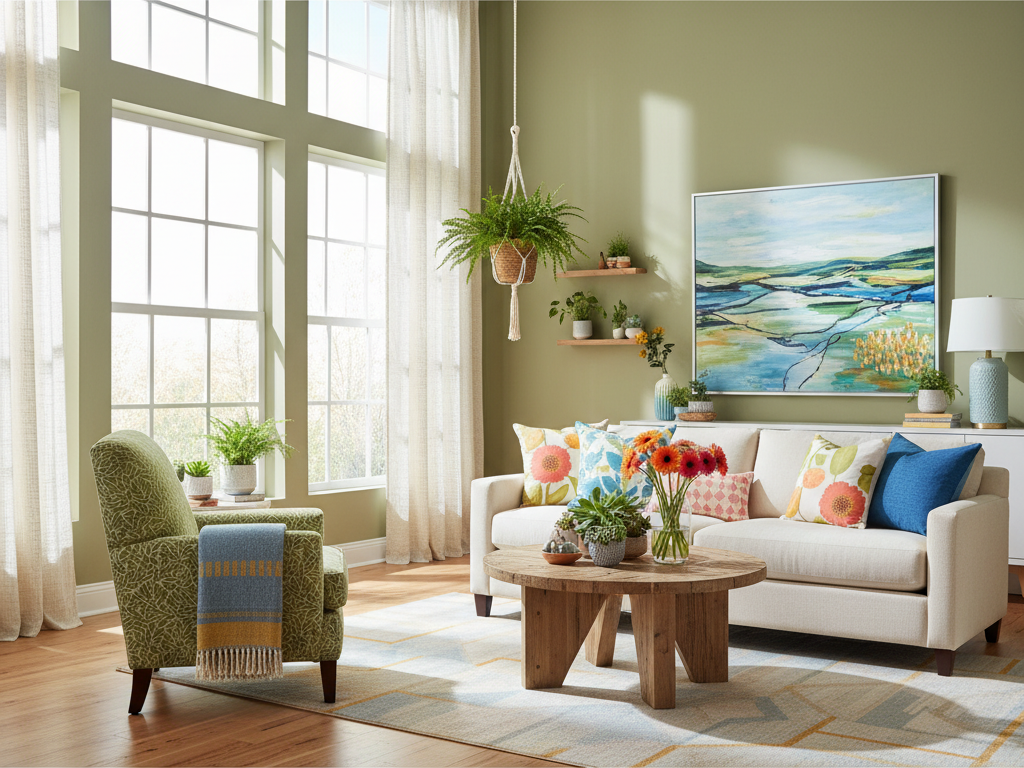
Your home probably feels a little dead. Not in a dramatic way, just kind of lifeless. Beige walls, safe furniture, everything carefully neutral. There’s a reason for this: most people are terrified of getting color wrong. But living in a beige box isn’t really living. The right uplifting color palettes can transform your space from bland to brilliant, creating rooms that energize and inspire rather than drain your spirit.
Color affects your brain chemistry. Blues lower your heart rate. Yellows boost serotonin production. Greens reduce eye strain and help you focus. This isn’t interior design theory, it’s just measurable biology happening in your living room.
These five color palettes work because they tap into how your nervous system actually responds to different wavelengths of light. Some make you feel energized, others help you decompress. All of them beat staring at off-white walls for the next decade.
Each palette works differently depending on your space, your lighting, and honestly, your tolerance for living with actual color. Start somewhere. Your walls don’t have to stay beige forever.
1. Sunshine & Citrus: Energizing Uplifting Color Palettes with Warm Hues

Yellow gets a bad rap because most people think of school bus yellow or that unfortunate mustard phase from decades past. But there’s a whole spectrum between aggressive neon and sad beige. Benjamin Moore’s Hawthorne Yellow (affiliate link) is warm without being overwhelming. Behr’s Sunflower Fields leans more golden, less electric.
Orange might seem even scarier, but it’s actually easier to live with than you’d think. Sherwin-Williams’ Cavern Clay won Color of the Year for good reason—it’s orange-adjacent without making your kitchen look like a pumpkin exploded. This approach to room design lets you embrace warmth while maintaining sophistication. Pair it with deep navy or forest green to ground it.
The grapefruit pink thing works if you use it sparingly. Think accent wall, not entire room. Or go smaller, like throw pillows from West Elm in their Desert Sunset shade, around $30 each. A coral-pink ceramic vase from CB2, maybe $45. Small doses pack more punch than you’d expect.
This palette works best in spaces that get good natural light. North-facing rooms tend to make warm colors look muddy. If you’re stuck with poor lighting, use these colors in accessories instead of paint. A citrus-colored KitchenAid mixer (they make them in actual grapefruit pink now) gives you the mood boost without committing four walls to the experiment.
The psychology part is real. There’s solid research showing that people in yellow rooms report higher energy levels and better mood. These cheerful color combinations for homes can genuinely impact your daily experience. But yellow also shows dirt more than other colors. That sunny kitchen with the Instagram-worthy yellow cabinets? Plan on wiping them down more often.
Textures matter with warm colors. Glossy finishes can make yellow look cheap. Matte or eggshell paint feels more sophisticated. For accessories, mix materials. Try a nubby orange throw blanket, smooth ceramic bowls, maybe a brass picture frame. The contrast keeps it from feeling flat.
If you’re renting, this palette works through removable elements. Peel-and-stick wallpaper in a subtle citrus print for one accent wall. Curtains in a warm coral from IKEA. Their HILLEBORG panels are under $15. A vintage-style rug in golden yellow from Rugs USA, probably around $80 for an 8×10.
2. Ocean Breeze: Create a Tranquil Coastal Retreat

Blue rooms can feel like hospital waiting areas if you get it wrong. The trick is layering different blues instead of painting everything the same shade. Start with something like Farrow & Ball’s Light Blue on the walls, it’s got enough gray in it to feel sophisticated. Then add deeper blues through bedding or curtains.
Sandy beige sounds boring until you see it done right. It’s not rental apartment beige. More like the color of actual sand; warmer, with subtle variations. Benjamin Moore’s Grant Beige works well, or Sherwin-Williams’ Accessible Beige if you want something lighter.
White keeps this from feeling too matchy. But not stark white, that fights with the relaxed coastal vibe. Try something softer, like White Dove or Cloud White. Crisp but not cold.
Natural materials sell the coastal feeling more than paint colors. A jute rug from West Elm, around $200 for a 9×12. These calming colors for bedrooms work best when supported by appropriate textures. Linen curtains in that sandy beige. Pottery Barn’s Belgian Flax collection if you want to spend money, or IKEA’s AINA panels for under $25. Both work.
Texture is everything with this palette. Smooth surfaces make it feel generic. Add woven baskets for storage, the kind from Target’s Project 62 line are usually around $20-40. A chunky knit throw in cream or off-white. Maybe driftwood picture frames if you can find them without paying boutique prices.
The calming effect of blue is well-documented. It actually lowers your heart rate and blood pressure measurably. But blue can also feel cold in rooms without much natural light. If your bedroom faces north, consider using blue as an accent color instead of the main wall color.
This works in bathrooms too, though you need to be careful about moisture and paint quality. Use bathroom-specific paint in any blue you choose. The extra cost is worth it when your walls aren’t peeling in six months.
For renters, this palette translates well to accessories. A blue and white shower curtain, sandy beige towels, maybe a small area rug in coordinating colors. The Container Store sells decent storage baskets in natural materials that fit the aesthetic without breaking your security deposit budget.
3. Earthy Greens & Golden Hues: Embrace Nature's Warmth

Green walls intimidate people, but they shouldn’t. Sage green is basically a neutral at this point. Clare’s Current Mood or Sherwin-Williams’ Clary Sage both work without making your living room look like a doctor’s office from 1995.
The golden hues part is where this gets interesting. Not yellow-yellow, but warm metallics. Brass cabinet hardware, maybe $8-15 per pull from CB2 or West Elm. A gold-framed mirror, which you can find at thrift stores and spray paint if the original finish looks dated.
Wood furniture grounds this palette in ways that painted furniture can’t. You don’t need expensive pieces – IKEA’s pine furniture takes stain well if you want to customize. A dining table in warm oak, bookshelves in walnut, even bamboo cutting boards displayed on the counter. This natural color scheme approach creates harmony throughout your space.
Plants are obvious here, but don’t go overboard. A large fiddle leaf fig in the corner, around $60 from Home Depot. Some pothos on a shelf, or snake plants if you want something sculptural that tolerates neglect.
This palette works because it mimics what you actually see in nature. Forest floors aren’t all the same shade of green. There’s variation, depth, different textures. Your room should feel the same way. These nature-inspired room colors create an instant connection to the outdoors.
Lighting makes or breaks earthy greens. Cool fluorescent bulbs turn sage green gray and depressing. Warm LED bulbs, around 2700K color temperature, bring out the golden undertones. Philips makes decent ones for under $10 each.
Textiles should feel natural without being expensive. Linen throw pillows in cream or oatmeal. A wool rug in a subtle pattern – Ruggable makes washable ones that work if you have pets or kids. Canvas storage bins instead of plastic ones.
The psychological effect of green is legitimately calming. Hospitals use green because it reduces anxiety and promotes healing. In your living room, it creates the same sense of restoration without feeling clinical.
For small spaces, use this palette in accessories rather than paint. Green throw blankets, golden picture frames, wood serving trays. A single green accent wall behind your bed or sofa gives you the color impact without overwhelming the space.
4. Pastel Paradise: Create a Dreamy, Whimsical Escape

Pastels got ruined by gender reveal parties and Instagram nurseries. But soft colors aren’t just for babies. Done right, they create spaces that feel calm without being boring. The key is using sophisticated versions of pastel shades.
Soft pink doesn’t have to mean Pepto-Bismol. Benjamin Moore’s First Light is pink but complex, it shifts depending on the light. Farrow & Ball’s Calamine is more expensive but worth it if you want something that photographs well. Both work in adult bedrooms.
Lavender can go wrong fast. Too purple and it feels like a teenager’s room from 2003. Sherwin-Williams’ Wishful Blue leans more gray-purple, which reads as sophisticated. These soft color palettes for relaxation work best when they maintain subtlety. Use it as an accent color, not on all four walls.
Mint green is easier to live with than you’d think. Clare’s Whipped is minty without being toothpaste-colored. It works well in bathrooms or as an accent wall in bedrooms. Paint a single wall, not the whole room.
This palette needs good natural light to work. Pastels in dark rooms look muddy and sad. If your space doesn’t get much sun, use these colors in accessories – bedding, artwork, throw pillows. The effect is similar but less overwhelming.
Textures should be soft and varied. Velvet throw pillows in dusty rose, around $25 each from Target’s Project 62 line. A faux fur throw in cream or light gray. Linen curtains in off-white to keep things feeling airy. This decorative color coordination creates layers of visual interest.
The calming effect of pastels is real. They lower stress hormones and promote relaxation. But they also show dirt more than darker colors. White and pink bedding looks great until you actually sleep on it. Factor in cleaning time when you’re choosing fabrics.
For adults, this palette works best in bedrooms or reading nooks. Spaces where you want to feel relaxed and peaceful. It’s less successful in kitchens or home offices, where you might need more energy and focus.
Metallic accents keep pastels from feeling too sweet. Brushed gold picture frames, brass table lamps, even copper planters add sophistication. The warm metals complement the soft colors without fighting them.
5. Bohemian Brights: Infuse Eclectic Energy

Jewel tones sound expensive and intimidating, but they’re actually more forgiving than pastels. Rich colors hide dirt and wear better. An emerald green sofa from Article costs around $1200, but it’ll look good for years. A navy blue one from IKEA’s KIVIK line is under $400 and still gives you the jewel tone effect.
The bohemian part comes from mixing patterns and textures, not just throwing colorful things together randomly. A Persian-style rug in deep blues and reds, maybe from Rugs USA for under $200. Throw pillows in different fabrics (think: velvet, silk, embroidered cotton, etc.). The variety creates visual interest.
Ruby red is harder to use than green or blue. It’s intense. Use it in smaller doses like in artwork, a single accent chair, or throw blankets. World Market has decent options that won’t destroy your budget. A red velvet armchair for around $400, or just red throw pillows for $20-30 each.
Neutral accents keep this from feeling like a head shop from 1972. Cream walls, natural wood furniture, maybe some brass or copper accessories. The bright colors pop against neutral backgrounds instead of fighting each other. This vibrant home decor style requires thoughtful balance.
This palette works in spaces where you want energy and creativity. Living rooms, dining rooms, home offices. Less successful in bedrooms unless you’re okay with stimulating colors affecting your sleep. Some people love it, others find it too activating at bedtime.
Lighting should be warm and layered. Table lamps with fabric shades, maybe string lights for ambiance. Avoid overhead fluorescents, they make jewel tones look harsh and cheap. Dimmer switches let you adjust the mood depending on the time of day.
The psychological effect of bright colors is energizing but can be overwhelming. If you’re naturally anxious, this might not be your palette. But if you tend toward depression or low energy, saturated colors can genuinely boost your mood and motivation.
Vintage and handmade pieces work well here. Thrift store finds, pieces from local artists, textiles from actual travels. The eclectic mix tells a story instead of looking like you bought everything from the same catalog.
For renters, focus on textiles and accessories. A bright area rug, colorful artwork, jewel-toned curtains. You can create the bohemian vibe without painting or making permanent changes. Plus you can take everything with you when you move.
Frequently Asked Questions
Q: How do I choose the right uplifting color palettes for my home?
A: Start with your lighting situation. North-facing rooms get cool, indirect light that can make warm colors look muddy. South-facing rooms get intense, warm light that can make cool colors look washed out. Paint a large sample on your wall and look at it at different times of day before committing.
Consider how you actually use each room. Bedrooms need different color psychology than home offices. Calming blues work great for sleep but might make you sluggish during work calls. Think about the mood you want to create versus the activities that happen in that space.
Your existing furniture matters too. If you have a lot of wood furniture, earthy greens and golds will complement it. Modern furniture in white or black works with almost any color palette. Work with what you have instead of fighting it.
Q: What are some simple ways to incorporate these color palettes without a full renovation?
A: Paint is obvious but not always practical. Try peel-and-stick wallpaper on one accent wall from companies like Chasing Paper. It’s around $30-40 per roll and comes off without damaging walls.
Textiles give you the biggest color impact for the least money. A new area rug in your chosen palette, throw pillows in coordinating colors, curtains in a soft accent shade. You can change the entire feel of a room for under $200.
Artwork is underrated for adding color. A large print in your palette colors, maybe $50-80 for something decent from Minted or Etsy. Gallery walls with smaller pieces in coordinating frames work too and let you build the collection over time.
Q: How do I balance bold, uplifting colors with neutral tones?
A: The 60-30-10 rule works but isn’t a law. Roughly 60% neutral base colors, 30% your main palette color, 10% accent colors. But trust your eye over math. Some rooms look better with more color, others need more neutrals to feel balanced.
Use bold colors in places where you can change them easily if you get tired of them. Paint an accent wall instead of the whole room. Choose colorful accessories instead of furniture. It’s easier to swap out throw pillows than replace a sofa.
Consider the intensity of your colors. Muted jewel tones are easier to balance than neon brights. Dusty pink is more liveable than hot pink. You can always add brighter accents later, but it’s harder to tone down overwhelming wall colors.
