
Your living room probably feels a bit blah. It’s probably the overhead lighting casting that weird fluorescent glow, or the throw pillows you grabbed at Target three years ago that looked better in the store. Whatever it is, sophisticated living style doesn’t have to mean expensive or stuffy.
These seven updates can shift your living room space from “fine, I guess” to genuinely elegant. Most cost under $200 total, and none require hiring a designer or knocking down walls.
What you’ll find here:
- Texture layering that adds depth without looking overdone
- A neutral palette approach that isn’t boring beige
- Lighting fixes that don’t require rewiring anything
- Art placement that makes small pieces look intentional
- Metallic touches that read luxury, not flashy
- Object curation that tells your story
- Plant choices that won’t die in three weeks
1. Incorporate Textured Fabrics for Sophisticated Living Style
Smooth surfaces make rooms feel flat. Like, literally flat. Your eye has nowhere interesting to land.
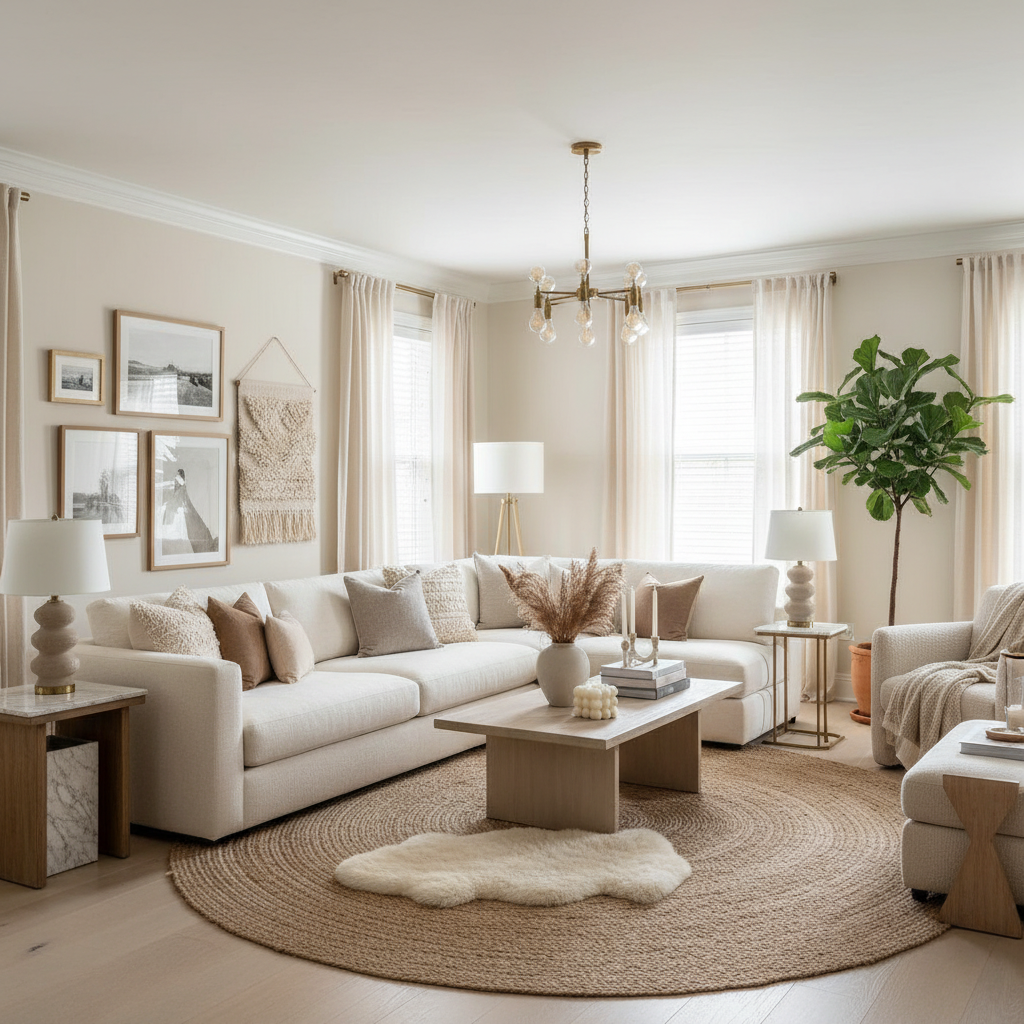
Start with what you already have. That basic sofa can handle a chunky cable-knit throw from HomeGoods, maybe $25. Add a couple linen pillow covers from H&M Home, around $15 each. The contrast between smooth upholstery and nubby textures creates visual weight through thoughtful home styling.
Velvet works differently than you’d expect. Not the crushed velvet from your aunt’s 1970s couch, but the newer cotton velvets from West Elm or CB2. They feel sophisticated without looking like a bordello. A single velvet pillow, maybe 18×18 inches, can anchor a whole seating arrangement.
Don’t stop at the couch. Jute rugs add texture underfoot, and they’re practically indestructible. IKEA’s LOHALS is $60 for a 5×7 and looks way more expensive than it is. Layer a smaller vintage rug on top if you want softness for bare feet – this affordable living room makeover trick works every time.
Curtains matter more than you think. Linen panels hang differently than polyester ones. They puddle slightly at the floor, creating those casual wrinkles that somehow read as expensive. Target’s Project 62 line has decent linen-blend options under $30 per panel.
The goal isn’t to touch every surface in the room. Three different textures, max. Too many and it starts looking like a fabric store exploded.

2. Embrace a Neutral Color Palette
Neutral doesn’t mean beige walls and tan furniture. That’s builder-grade neutral, and it makes everything disappear.
Real neutral palettes have depth. Think mushroom gray walls with cream furniture and charcoal accents. Or warm white walls with linen-colored seating and black metal details. The sophistication comes from the subtle variations, not from playing it completely safe with modern living room design.
Benjamin Moore’s Revere Pewter gets mentioned constantly because it actually works. It’s gray that doesn’t look cold, beige that doesn’t look boring. One gallon covers about 350 square feet, so figure $50-60 for paint. Their Classic Gray runs cooler if your room gets tons of sunlight.
Your neutral palette should shift slightly room to room based on light. North-facing rooms benefit from warmer neutrals to counteract the cool light. South-facing spaces can handle cooler grays and whites without looking sterile.
Texture becomes MORE important with neutrals, not less. That chunky throw pillow or sisal rug provides the visual interest that color usually handles. Without texture, neutral rooms just look unfinished.
One saturated accent color keeps neutrals from feeling flat. Not bright red or electric blue, but something with depth. Deep forest green through plants and books. Burnt orange in a single ceramic vase. Navy blue in picture frames creates budget-friendly interior design with major impact. Learn more about color psychology and using it in your room designs.

3. Layer Your Lighting
Overhead lighting makes everyone look tired and rooms feel institutional. You need at least three different light sources, positioned at different heights.
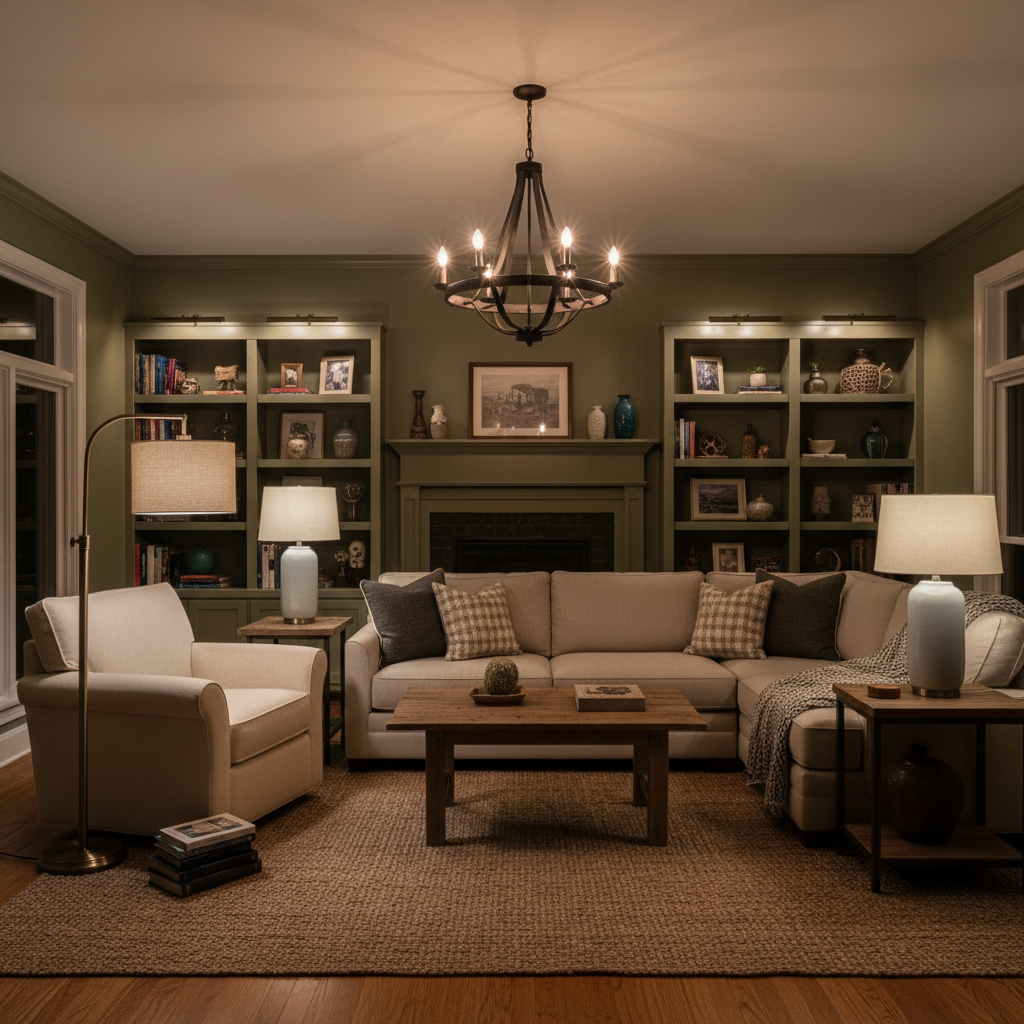
Start with table lamps. Two matching lamps on either side of a sofa create symmetry, but they don’t have to be identical. Same height, different bases works fine. Target’s Project 62 line has ceramic bases around $40 that look more expensive than they are.
Floor lamps fill in corners and provide reading light. The arc floor lamps from CB2 or West Elm, around $200, cast light over seating without taking up table space. Tripod floor lamps work in smaller rooms where arc lamps feel overwhelming.
Dimmers change everything. Standard dimmer switches cost under $15 at Home Depot and take about ten minutes to install if you’re comfortable with basic electrical work. If not, an electrician charges maybe $100 for a few switches. Worth it for creating room aesthetics that actually work.
Warm light bulbs, not cool ones. Look for 2700K on the package, not 4000K or higher. Cool light feels like an office. LED bulbs last longer and use less electricity, though they cost more upfront. Philips and GE both make reliable warm LEDs.
Candles count as accent lighting. Real ones, not the fake flickering battery things. A few pillar candles on the coffee table or mantel add warmth during evening hours. Yankee Candle gets expensive, but Dollar Tree has plain white pillars that work perfectly fine.
String lights aren’t just for college dorms. The warm white LEDs, draped around a large mirror or along built-in shelving, create subtle ambient light. Just avoid the multicolored ones unless you’re going for a completely different vibe.
4. Add Statement Art
Statement art doesn’t require spending thousands at galleries. It requires choosing something with visual weight and hanging it properly.
Size matters more than subject matter. A large abstract print from Minted, around $150 framed, has more presence than three small botanical prints. Your eye needs a place to land, and bigger pieces anchor the room visually.
Photography works as well as paintings. Black and white landscapes from Etsy sellers often cost under $50 for large format prints. Frame them in simple black or white frames from IKEA, maybe $25 each for 24×36 inch sizes.
Hang art at eye level, which is usually 57-60 inches from floor to center of the frame. Most people hang things too high. The bottom of the frame should be 6-8 inches above sofa backs, not hovering near the ceiling – this basic furniture arrangement rule transforms any space.
Gallery walls require more planning than single large pieces. Start with the largest piece and arrange others around it on the floor first. Take a photo before hanging anything. Maintain 2-3 inches between frames for breathing room.
Vintage posters can work if they’re properly framed. That travel poster from the flea market needs a real frame and mat, not the cheap clip frame it came with. Proper framing costs money but makes inexpensive art look intentional.
Local artists often sell original work for less than you’d expect. Check community art centers or university student shows. An original piece, even from an unknown artist, has more personality than mass-produced prints.

5. Incorporate Metallic Accents
Metallic accents add sophistication, but only if you don’t overdo them. Think jewelry, not armor.
Brass has made a comeback, but it looks different now than it did in the 1980s. Modern brass finishes are more matte, less shiny. CB2 and West Elm both carry brass picture frames, around $30 for 8×10 sizes. Group three different sizes on a console table.
Mixed metals look more collected than perfectly matched sets. Brass picture frames with a silver tray. Chrome lamp bases with copper plant pots. The key is intentional mixing, not accidental mismatching through proper decorative accents.
Cabinet hardware offers the biggest impact for reasonable cost. Brass drawer pulls and cabinet knobs can transform basic IKEA furniture. Anthropologie has beautiful options, though they’re pricey. Amazon carries similar styles for about half the cost.
Mirror frames count as metallic accents. A large mirror with a thin brass frame reflects light and makes rooms feel larger. The ones from Target’s Project 62 line, around $80 for 24-inch diameter, look much more expensive than they are.
Avoid matching table lamps in metallic finishes unless your room is very large. Two identical brass lamps can overwhelm smaller spaces. One metallic lamp paired with a ceramic or wood base creates better balance.
Light fixtures provide the most sophisticated metallic impact. A brass pendant light over a dining table or kitchen island, around $150-250, changes the entire feel of the space. Just make sure it’s properly sized for the room with elegant living room ideas that make sense for your layout.

6. Curate Decorative Objects
Decorative objects should tell a story about you, not about HomeGoods’ seasonal buyer.
Start by editing what you already own. That collection of ceramic elephants from your grandmother might have sentimental value, but does it reflect your current style? Keep one or two pieces that you genuinely love, store or donate the rest.
Books work as decoration, but they need to look intentional. Stack some horizontally, arrange others vertically. Mix heights and colors. Art and design books photograph well and give guests something to flip through. The big coffee table books from Barnes & Noble clearance, around $15-20, look expensive on shelves.
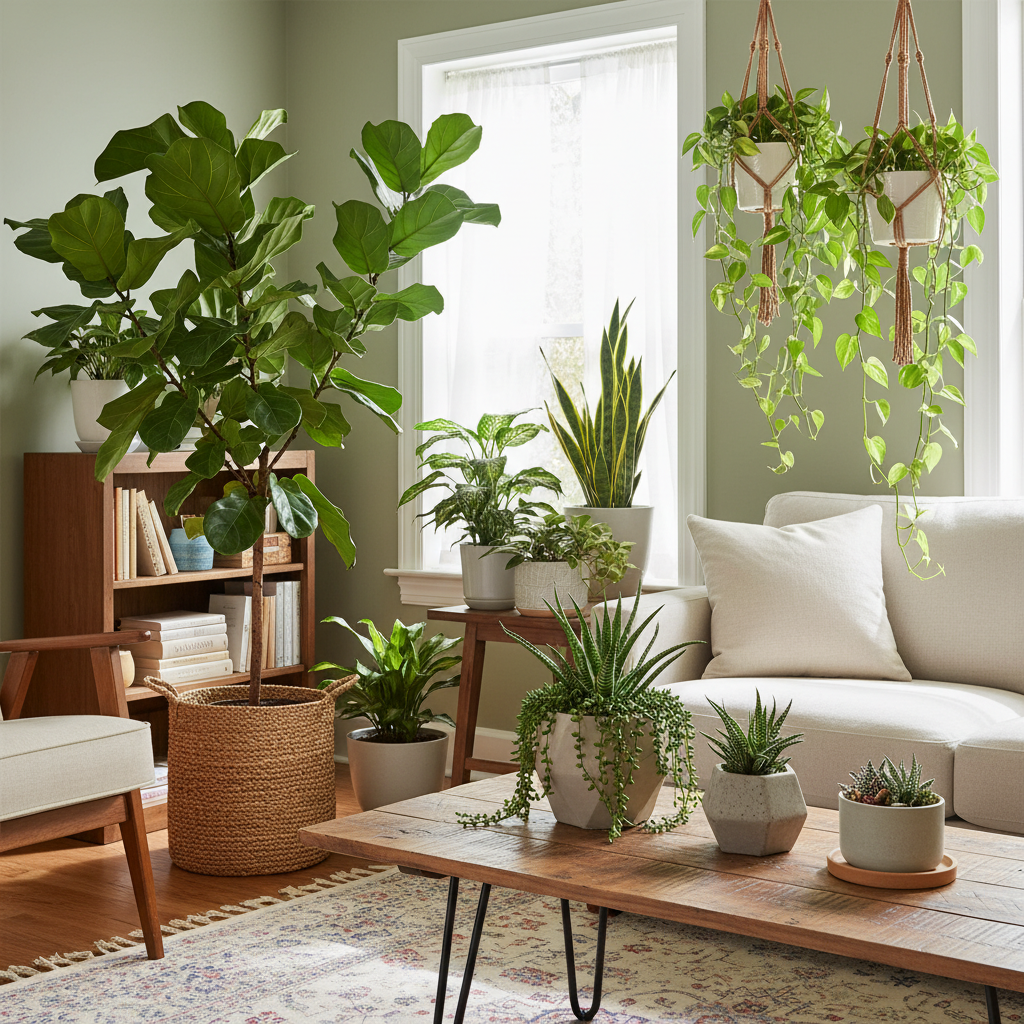
Plants count as decorative objects, but choose varieties that match your actual plant care skills. Snake plants and pothos survive neglect better than fiddle leaf figs. Small succulents in ceramic pots, grouped in threes or fives, look curated without requiring much attention.
Trays corral smaller objects and make surfaces look organized. A round brass tray on the coffee table holds candles and small plants. A rectangular marble tray, maybe $35 from CB2, gives the bathroom counter a spa-like feel.
Travel souvenirs work better when grouped by color or material rather than by trip. Those blue ceramic pieces from Greece look intentional displayed together, even if you bought them years apart.
Edit constantly. Surfaces shouldn’t feel crowded. Leave empty space for your eye to rest. A few well-chosen objects have more impact than many mediocre ones – this is essential for achieving that ‘sophisticated living room’ style we’re going for.

7. Introduce Greenery
Plants make rooms feel alive, but dead plants make them feel neglected. Be honest about your plant care abilities before bringing anything home.
Snake plants tolerate low light and irregular watering. They grow slowly, which means they won’t outgrow their pots quickly. The tall, architectural leaves look intentional rather than busy. Expect to pay $30-50 for a medium-sized snake plant at most garden centers.
Pothos vines work well in hanging planters or trailing from tall shelves. They grow in water or soil and tolerate various light conditions. A small pothos from Home Depot costs under $10 and will grow rapidly under decent conditions.
Fiddle leaf figs photograph beautifully but require specific care. Bright, indirect light. Consistent watering schedule. No drafts or sudden temperature changes. If your lifestyle involves frequent travel or plant neglect, choose something else.
Large floor plants create vertical interest and fill empty corners. Monstera deliciosas have dramatic split leaves and tolerate average indoor conditions reasonably well. They’re trendy right now, which means they’re available at most garden centers for $40-80 depending on size.
Ceramic pots look more sophisticated than plastic nursery containers. White or neutral-colored pots work with any decor style. CB2 and West Elm have beautiful options, though they’re expensive. Thrift stores often carry ceramic planters for much less.
Group plants at different heights rather than lining them up on windowsills. A large floor plant, medium tabletop plant, and small hanging plant create visual flow without looking like a nursery display.