



Your home should feel like a refuge. Not a museum, not a showroom, but somewhere you can actually breathe. Minimalist design gets a bad rap for being cold or sterile, but done right it’s the opposite. It’s about creating space for your mind to settle through thoughtful serene minimalist decor choices.
This isn’t about throwing out everything you own or living with three pieces of furniture. It’s about being intentional with what stays and what goes, then arranging what remains so it actually serves you.
Here are seven ways to build that kind of sanctuary:
- Neutral colors that actually work: Beyond basic white and beige
- Strategic decluttering: What to keep, what to ditch, and how to organize what remains
- Making the most of natural light: Window treatments and placement that brightens everything
- Choosing furniture with purpose: Pieces that look good AND function well
- Adding texture without clutter: Materials that create warmth in minimal spaces
- Plants that thrive indoors: Greenery that adds life without maintenance headaches
- Art and accessories that matter: How to display meaningful pieces without visual chaos
1. Embrace a Neutral Color Palette for Calmness
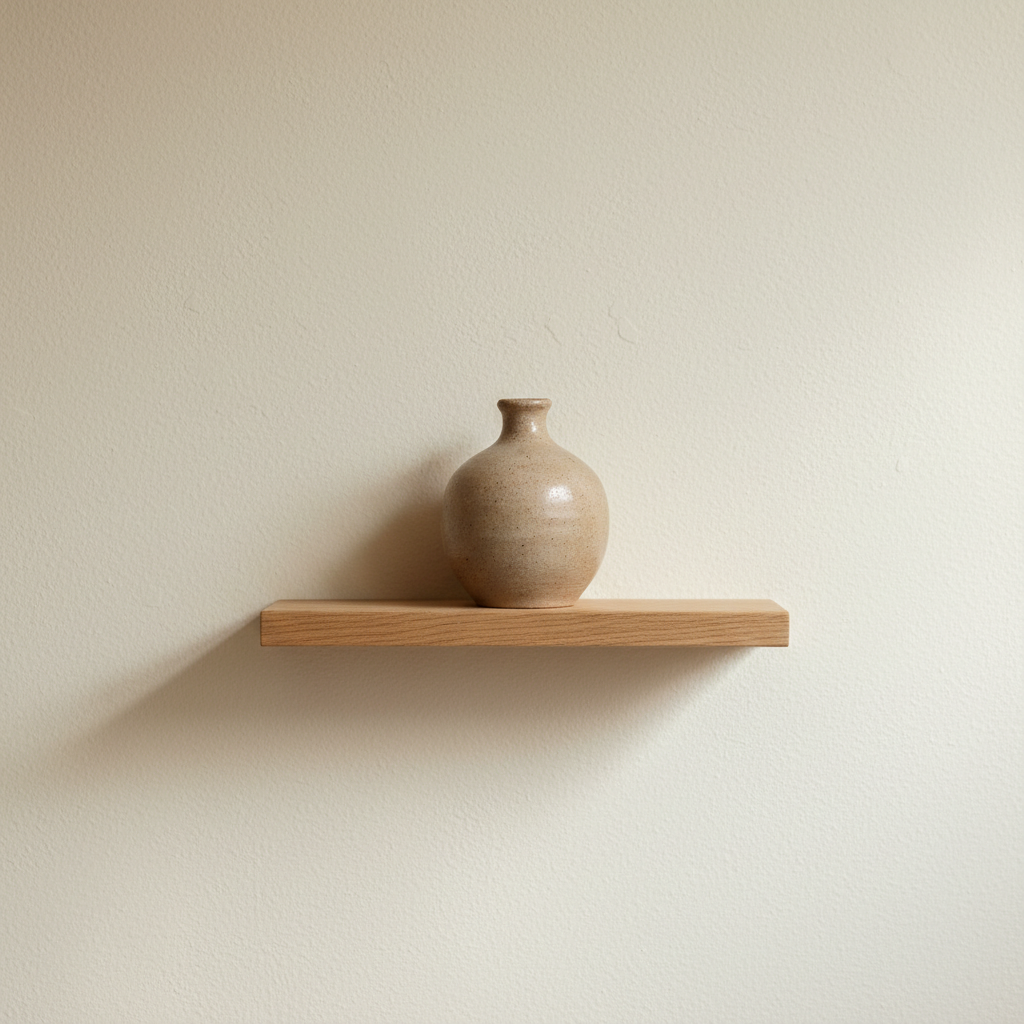
Neutral doesn’t have to mean boring. Skip the contractor-grade bright white that makes everything look like a dental office. Instead, try something with a bit more personality. Benjamin Moore’s Cloud White (affiliate link) has just enough warmth to feel inviting. Sherwin Williams Accessible Beige works if you want something earthier.
The goal is creating a backdrop that makes everything else look better. Your furniture, your art, even you. Paint stores usually have color strips with five or six shades in the same family. Pick one for walls, maybe go a shade lighter for trim, and you’ve got instant sophistication.
Here’s what actually works in real homes. Walls in a soft warm gray like Benjamin Moore Stonington Gray, (affiliate link) around $55 per gallon. Trim in something slightly brighter but still muted. If you’re feeling adventurous, try the same color in different finishes. Matte on walls, eggshell on trim. Creates subtle variation without being obvious about it.
Color affects your brain more than most people realize. Not in some mystical way, but measurably. Soft, muted tones genuinely make most people feel calmer. There’s research backing this up, though I won’t bore you with citations. The short version is that your nervous system responds to visual input, and chaotic or overly bright colors can actually make you feel more stressed.
One room, one color family. It sounds restrictive but it’s liberating once you see it in person. Everything flows together instead of competing for attention.
2. Declutter Ruthlessly for a Spacious Feel with Serene Minimalist Decor
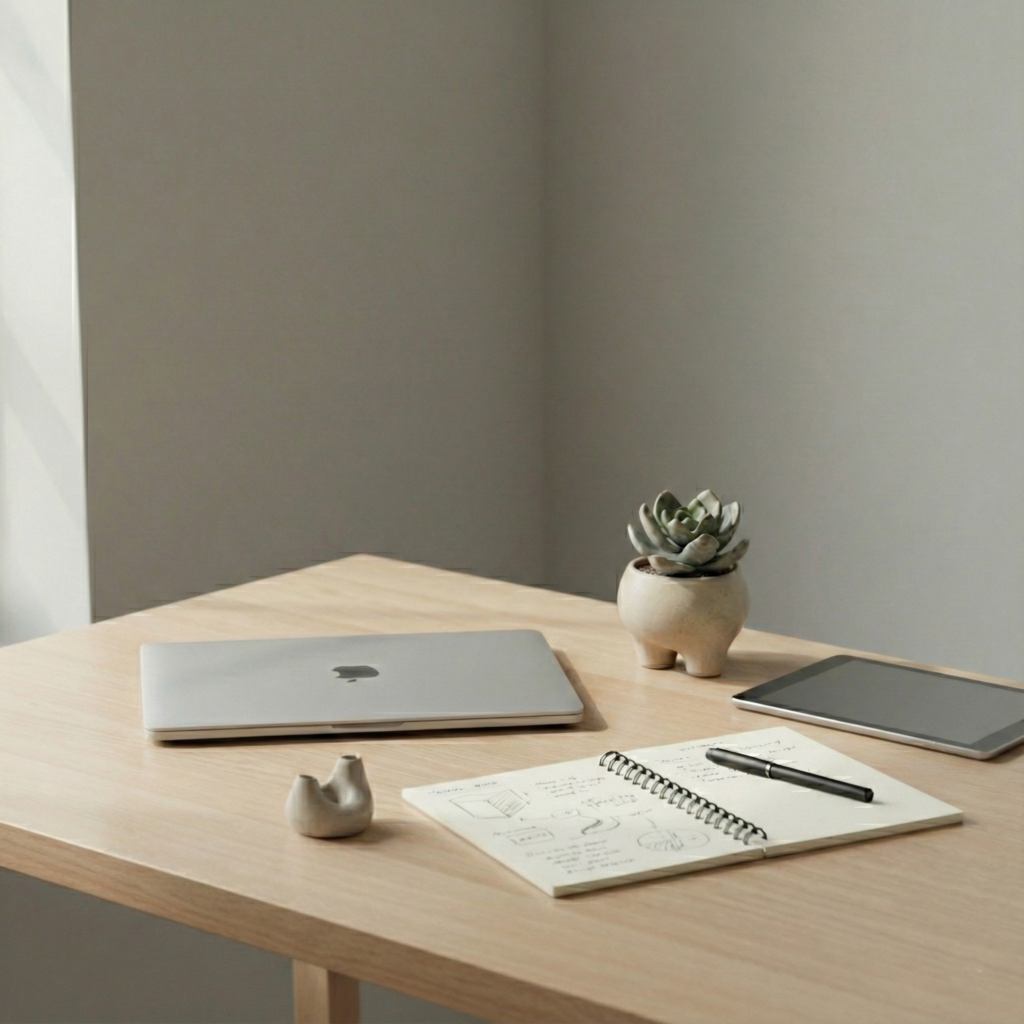
Marie Kondo gets mocked sometimes but she’s right about one thing: clutter is exhausting. Your brain processes every visible object as something that might need attention. Multiply that by a few hundred items and no wonder you feel drained at home.
Start with surfaces. Coffee tables, nightstands, kitchen counters. Clear everything off, then put back only what you actually use regularly. That decorative bowl you never notice? Gone. The stack of magazines from 2019? Recycling.
Storage matters more than you think. Those IKEA Algot shelving systems start around $30 and can handle most organizational needs. The Container Store’s elfa line is pricier but holds up better long-term if you’re planning to stay put. For everyday stuff, simple woven baskets work. Target’s Brightroom line has decent options under $25 that don’t look obviously cheap.
Books are tricky. Keep the ones you’ll actually reference or reread. Everything else can probably go. Same with clothes. If you haven’t worn it in a year and it’s not seasonal, you probably won’t miss it. This intentional approach to room organization helps create those calming minimalist spaces everyone craves.
The hardest part isn’t deciding what to get rid of. It’s maintaining the space once you’ve cleared it. Put things back immediately after using them. Takes practice but becomes automatic after a few weeks.
Multi-functional furniture helps. Ottoman with storage inside, coffee table with drawers, bed frame with built-in space underneath. West Elm’s mid-century storage coffee table runs about $400 but eliminates the need for additional storage pieces.
3. Maximize Natural Light for Enhanced Mood
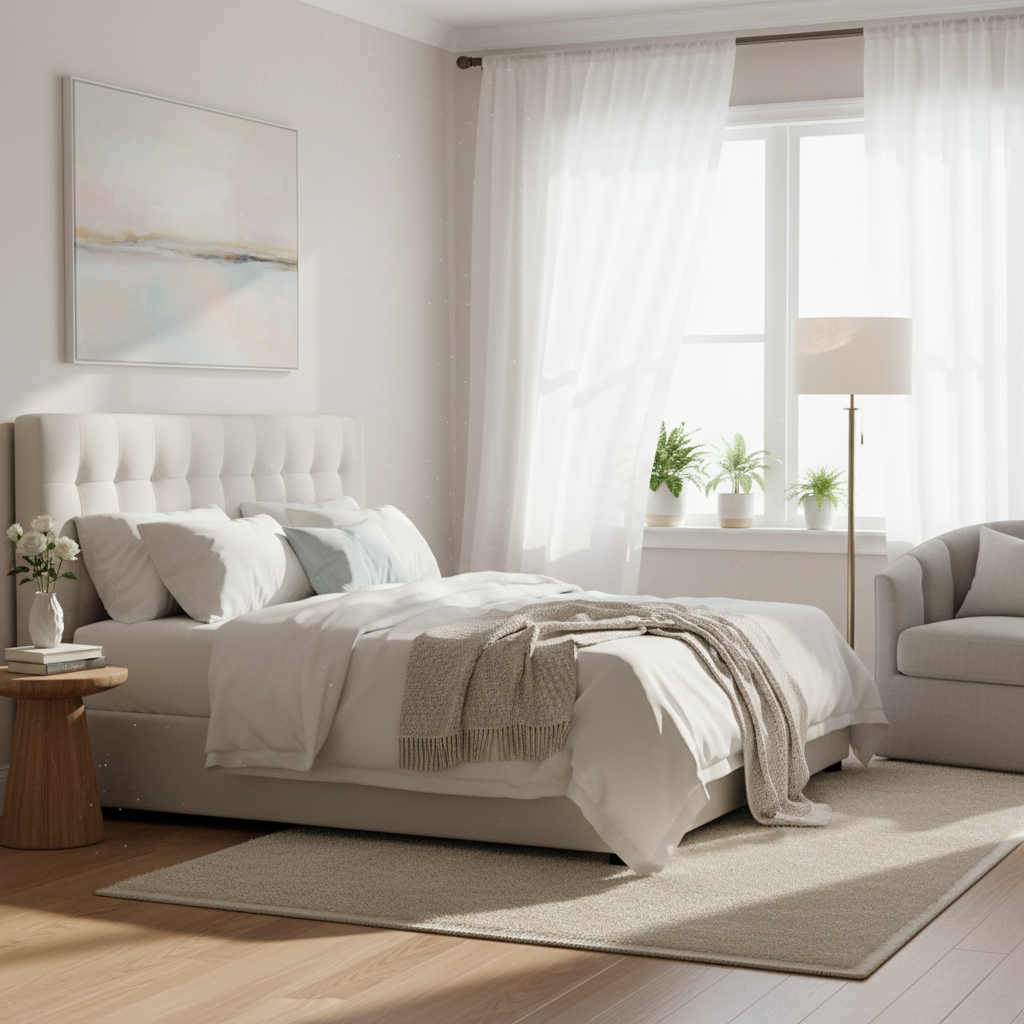
Natural light changes everything. Makes colors look better, spaces feel larger, and honestly just improves your mood. The problem is most window treatments block too much of it.
Sheer curtains solve this. IKEA’s Lill panels are $5 and work fine for basic needs. If you want something nicer, West Elm has linen sheers starting around $40. Hang them high and wide – above the window frame and extending past the sides. Makes windows look bigger and lets in maximum light.
Mirrors amplify whatever light you have. Place one across from your biggest window and it’ll bounce light around the room. Those large leaning mirrors from CB2 or Urban Outfitters, usually $200-300, work well for this. Don’t overthink the placement – if you can see the window reflected in the mirror, it’s working.
Clean windows make a bigger difference than you’d expect. Sounds obvious but most people don’t do it regularly. Twice a year minimum, more if you live somewhere dusty or near construction.
For rooms with limited natural light, you need artificial sources that don’t feel harsh. Table lamps with fabric shades create warm pools of light. Floor lamps that bounce light off the ceiling work well too. The IKEA Holmö floor lamp is $25 and surprisingly effective for the price. This approach to ambient lighting design helps create those peaceful bedroom retreats that actually promote better sleep.
Avoid overhead fluorescents if possible. They’re efficient but make everything look terrible. If you’re stuck with them, try daylight bulbs instead of cool white. Phillips makes decent ones for under $10.
Window placement matters if you’re renovating or house hunting. South-facing windows get consistent light throughout the day. North-facing ones give steady, indirect light that’s great for work spaces. East and west can be beautiful but more variable.
4. Select Minimalist Furniture with Intention

Minimalist furniture isn’t about having less stuff. It’s about having better stuff that works harder. Every piece should either be beautiful, functional, or ideally both.
Sofas are the biggest investment and biggest visual impact. Look for clean lines and good proportions. Article’s Sven sofa gets recommended constantly for good reason – starts around $1,200, comes in colors that actually work in real homes, and the proportions work in most spaces. CB2’s Avec line is pricier but holds up well if you can swing the $2,000-3,000 range.
Coffee tables should be roughly two-thirds the length of your sofa. Lower is usually better than higher – around 16-18 inches if your sofa cushions are standard height. Storage inside is helpful but not essential if you’ve decluttered properly.
Dining tables with simple tops and minimal bases age better than trendy styles. IKEA’s Lisabo table is solid wood for under $200. West Elm’s Mid-Century line starts around $400 and looks more expensive than it is.
Scale matters more in minimalist spaces because there’s less visual distraction. Furniture that’s too small gets lost. Too big and it overwhelms everything. Measure your room and leave at least 36 inches for walking paths. This careful furniture arrangement creates the foundation for truly peaceful living spaces.
Natural materials – wood, linen, cotton, wool – tend to look better over time than synthetic ones. They also feel better to touch, which matters when you’re not covering everything with decorative objects.
Multi-functional pieces earn their keep. Storage beds, extendable dining tables, ottomans that work as extra seating. Just make sure they do both jobs well, not poorly.
5. Introduce Textural Elements for Warmth
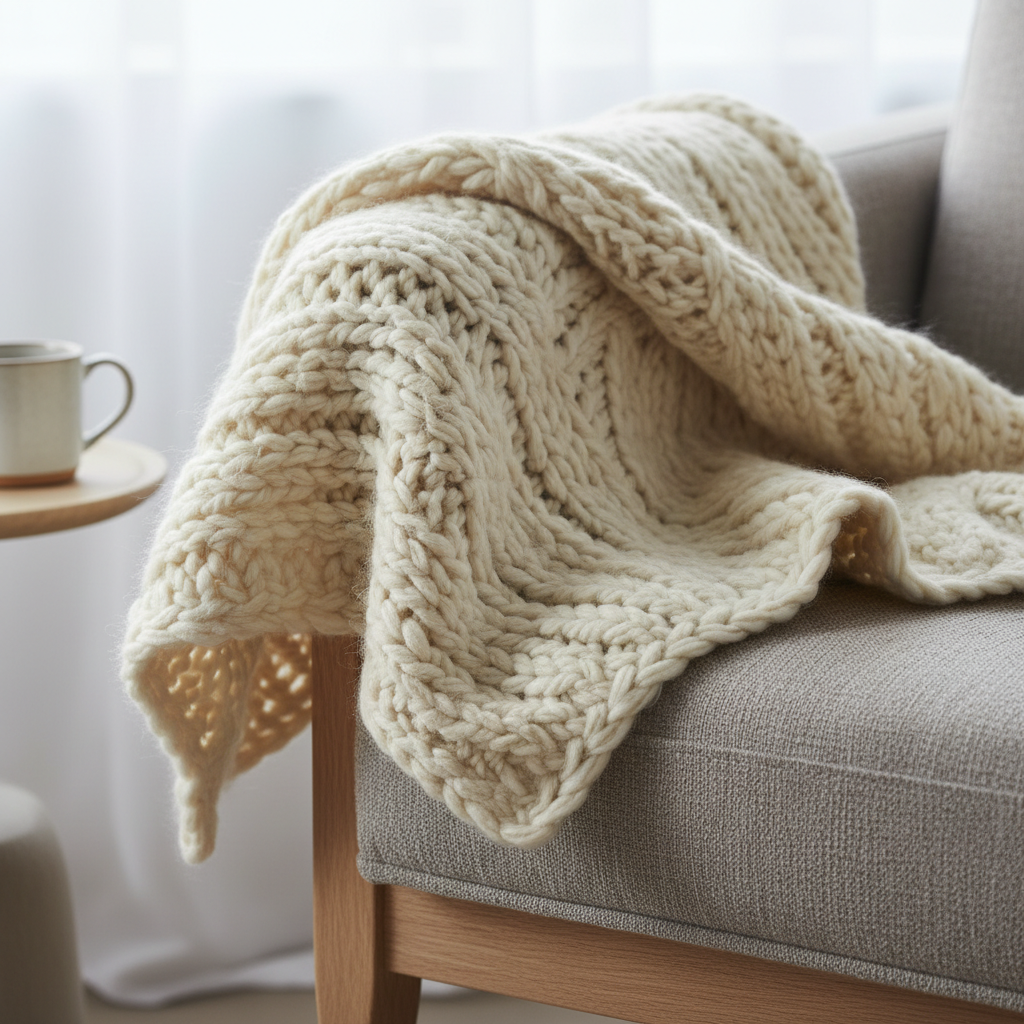
This is where minimalist spaces either feel inviting or sterile. Smooth surfaces everywhere – walls, furniture, floors – can look cold no matter how perfect the proportions. You need things that catch light differently and feel good to touch.
Throw blankets are the easiest starting point. Something chunky in wool or cotton. Parachute makes good ones around $100. Brooklinen’s waffle weave version is softer and runs about $80. Drape it over your sofa or chair, not folded perfectly but not messy either.
Rugs define spaces and add softness underfoot. Jute and sisal work well – they’re neutral but have visible texture. IKEA’s Lohals is $80 for 6×9 and holds up surprisingly well. For something nicer, CB2’s jute rugs start around $200 and come in more interesting weaves.
Pillows let you experiment without commitment. Linen ones in slightly different shades of the same color family work well. Parachute’s linen pillows are $65 each, which isn’t cheap, but the texture and color are worth it if you’re building a calm space.
Wood adds warmth without being busy. Side tables, shelving, picture frames. Look for pieces where you can see the grain – it creates subtle visual interest. Walnut and oak both age well and work with most color schemes. This layered approach to interior design creates depth while maintaining that essential sense of calm.
Layer different textures in the same color range. Smooth linen sofa, nubby wool throw, soft cotton pillows, rough jute rug. Keeps the calm color palette while adding depth.
Natural fiber baskets work for storage and add texture. Target’s Brightroom line has decent woven ones under $30. Use them for blankets, magazines, or anything else you need accessible but not visible.
6. Greenery: A Touch of Life and Freshness
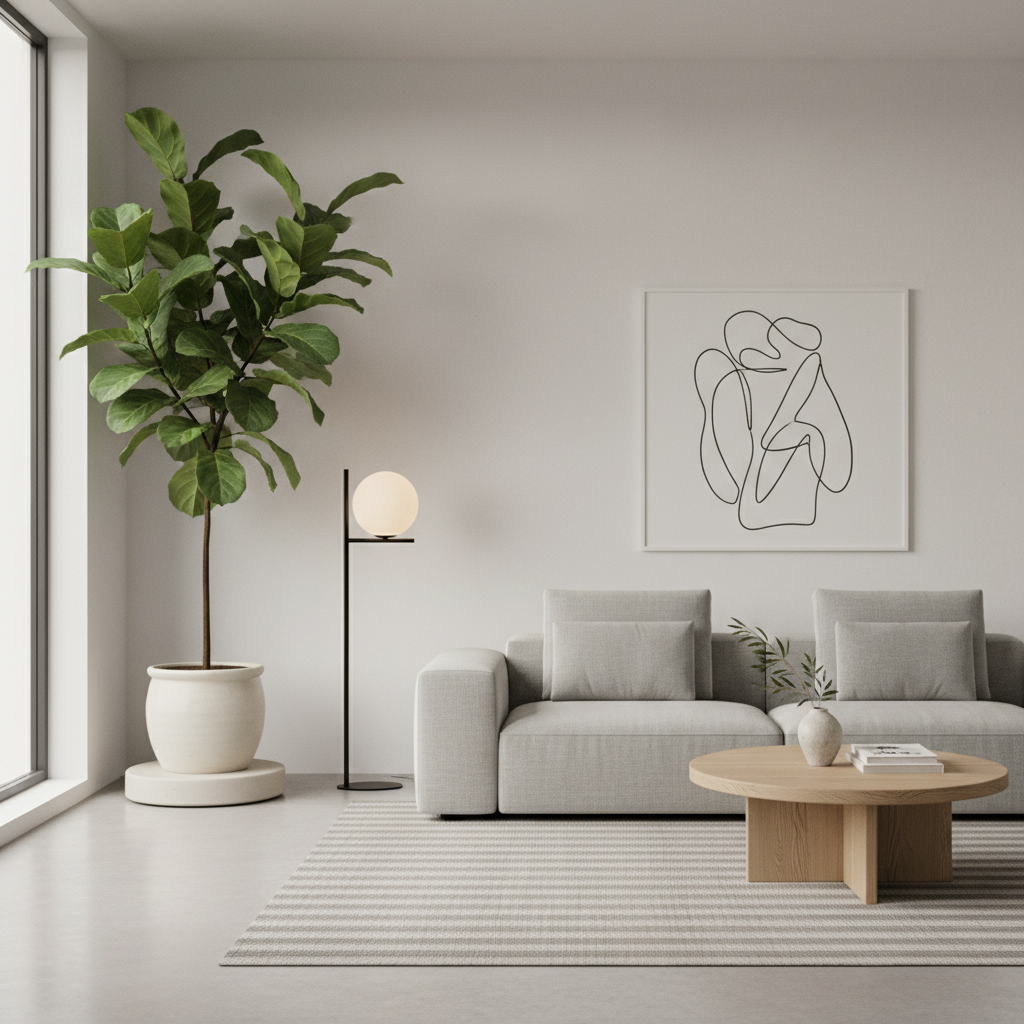
Plants make spaces feel alive in a way nothing else does. But choose wrong and you’ll have expensive compost decorating your shelves. Stick with things that actually thrive indoors and don’t need constant attention.
Snake plants are nearly indestructible. Water every few weeks, tolerate low light, and their vertical lines work well in minimalist spaces. Home Depot usually has them for $15-25 depending on size.
ZZ plants have glossy leaves and handle neglect well. They’re having a moment on Instagram for good reason – they look architectural but stay manageable. Expect to pay $20-40 depending on size.
Fiddle leaf figs are everywhere in design magazines but they’re finicky. They need bright indirect light, consistent watering, and still might drop leaves if they’re unhappy. Beautiful when they work but not worth the stress for most people.
Large plants have more impact than collections of small ones. One substantial plant in a simple pot creates a focal point without clutter. Terra cotta pots look good with almost everything and let soil breathe properly.
Placement matters for both aesthetics and plant health. Near windows but not directly in sun for most houseplants. Corners work well visually – they anchor the space without blocking traffic flow. This natural approach to decorative accents brings life to even the most pared-down spaces.
If you kill everything, try air plants. They need weekly soaking but no soil. Mount them on walls or put them in hanging glass containers. West Elm has interesting vessels starting around $25.
Herbs on kitchen windowsills serve double duty – useful and attractive. Basil, rosemary, and thyme are fairly forgiving and smell good when you brush against them.
7. Mindful Art and Accessories: Curated Simplicity

Less is more applies here more than anywhere. Every visible object competes for attention, so make sure what you choose deserves it.
Art should be large enough to hold its own or small enough to group intentionally. Those random 8×10 prints scattered around walls make spaces feel busy. Better to have one substantial piece than five small ones fighting for attention.
Photography from places you’ve been works better than generic prints. Minted has good printing quality if you have digital files, usually $50-100 for larger sizes. Local frame shops often do better work than online services but cost more.
Abstract works in neutrals complement minimalist spaces without demanding too much attention. Saatchi Art has original pieces starting around $200. For prints, try Society6 or Etsy for more affordable options.
Books displayed spine-out add color and personality. Keep only ones you reference or genuinely love. Stack them horizontally in groups of three or four, or arrange vertically by height. This curated approach to home styling means every visible element contributes to the overall sense of peace.
Ceramics work well as accessories. Simple vessels, bowls, or vases in natural colors. You don’t need flowers in vases constantly – interesting shapes stand alone. CB2 and West Elm both carry good selections around $30-60.
Avoid collections of small objects. They create visual noise no matter how carefully arranged. One beautiful thing is more impactful than three pretty good things.
Personal items should earn their visibility. Family photos in simple frames, travel souvenirs that actually mean something to you. If you don’t remember where something came from or why you kept it, that’s a sign it can probably go.
Frequently Asked Questions
Q: What are the best colors for a serene minimalist bedroom?
A: Soft, warm whites work better than stark white. Try Benjamin Moore’s Cloud White or Sherwin Williams Pure White. Light grays like Stonington Gray create calm without feeling cold. Avoid anything too beige – it can look dated quickly. Muted blues and greens work if you want color but keep them very subtle. The goal is colors that fade into the background and let you focus on rest.
Q: How do I declutter my home effectively for a minimalist look?
A: Start with one surface at a time – don’t try to tackle whole rooms. Clear everything off, clean the surface, then put back only what you use regularly. Be honest about “someday” items – they usually stay unused. Donate things in good condition, trash anything broken. Use the one-year rule for clothes and books. Storage boxes help for seasonal items but label everything clearly. Most importantly, deal with new things immediately instead of letting them pile up.
Q: Is minimalist decor cold and sterile? How can I avoid this?
A: Bad minimalist design is cold because it focuses only on removing things without adding warmth back. Good minimalist design includes texture through rugs, throws, and natural materials. Warm lighting makes a huge difference – table lamps and floor lamps instead of harsh overhead fixtures. Plants add life without clutter. Choose furniture you actually want to sit on, not just look at. Personal art and meaningful objects keep it from feeling like a hotel room.
