


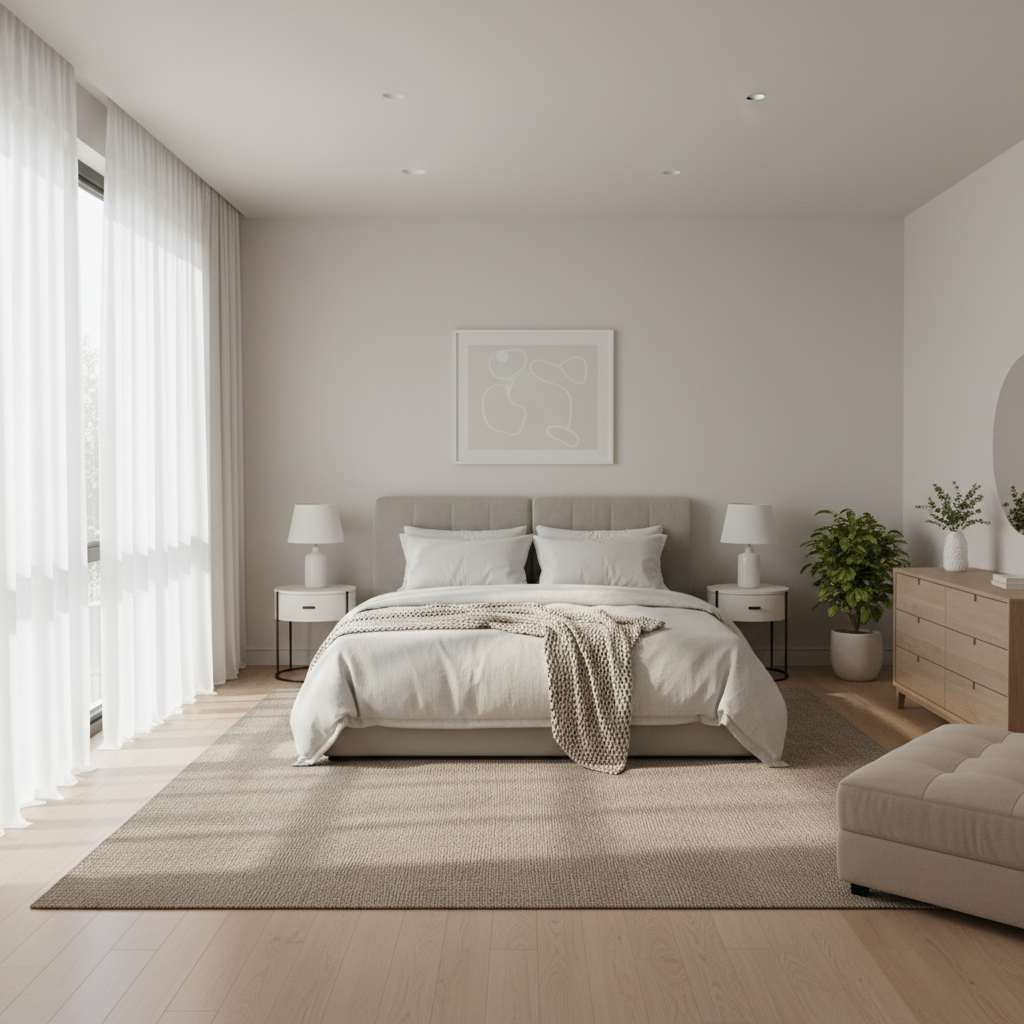
Creating a serene master bedroom is about cultivating a space that promotes relaxation and restful sleep. By focusing on calming colors, comfortable textures, and thoughtful details, you can transform your bedroom into a personal sanctuary. Let’s explore seven polished touches that will elevate your master bedroom into a haven of tranquility.
Here’s a quick look at the seven polished touches we’ll cover:
- Soothing Color Palette: Discover the power of color in creating a calming atmosphere for your master bedroom.
- Luxurious Bedding: Elevate your sleep experience with high-quality sheets, pillows, and a comfortable duvet.
- Strategic Lighting: Learn how to layer lighting to create a warm and inviting ambiance for relaxation.
- Decluttered Surfaces: Embrace minimalism by removing unnecessary items and creating clear, calming spaces.
- Sound Dampening: Explore methods to reduce noise and create a peaceful environment for restful sleep.
- Personalized Touches: Add elements that reflect your personality and create a sense of comfort and belonging.
- Aromatherapy: Incorporate calming scents to enhance relaxation and create a soothing atmosphere.

1. Soothing Color Palette
A well-chosen color palette is the foundation of a peaceful master bedroom. Colors have a huge impact on our mood and emotions, so selecting hues that promote calmness is crucial. Opt for soft, muted tones like blues, greens, grays, and lavender. These colors are known for their relaxing and restorative properties.
Consider the undertones of your chosen colors. Cool undertones (blues and greens) tend to be more calming and peaceful, while warm undertones (browns and creams) can create a sense of cozy comfort. Light, airy colors can make a small room feel more spacious, while deeper shades can create a more intimate and cocooning atmosphere.
Don’t be afraid to experiment with different shades and combinations. A soft gray wall with white trim and accents of pale blue can create a serene and sophisticated look. Alternatively, a light lavender wall with cream-colored bedding and accents of green can create a calming and romantic feel. Test paint samples in your room before committing to a color to see how they look in different lighting conditions. According to color psychology studies, blue is often associated with tranquility and stability, making it an excellent choice for a bedroom.
2. Luxurious Bedding
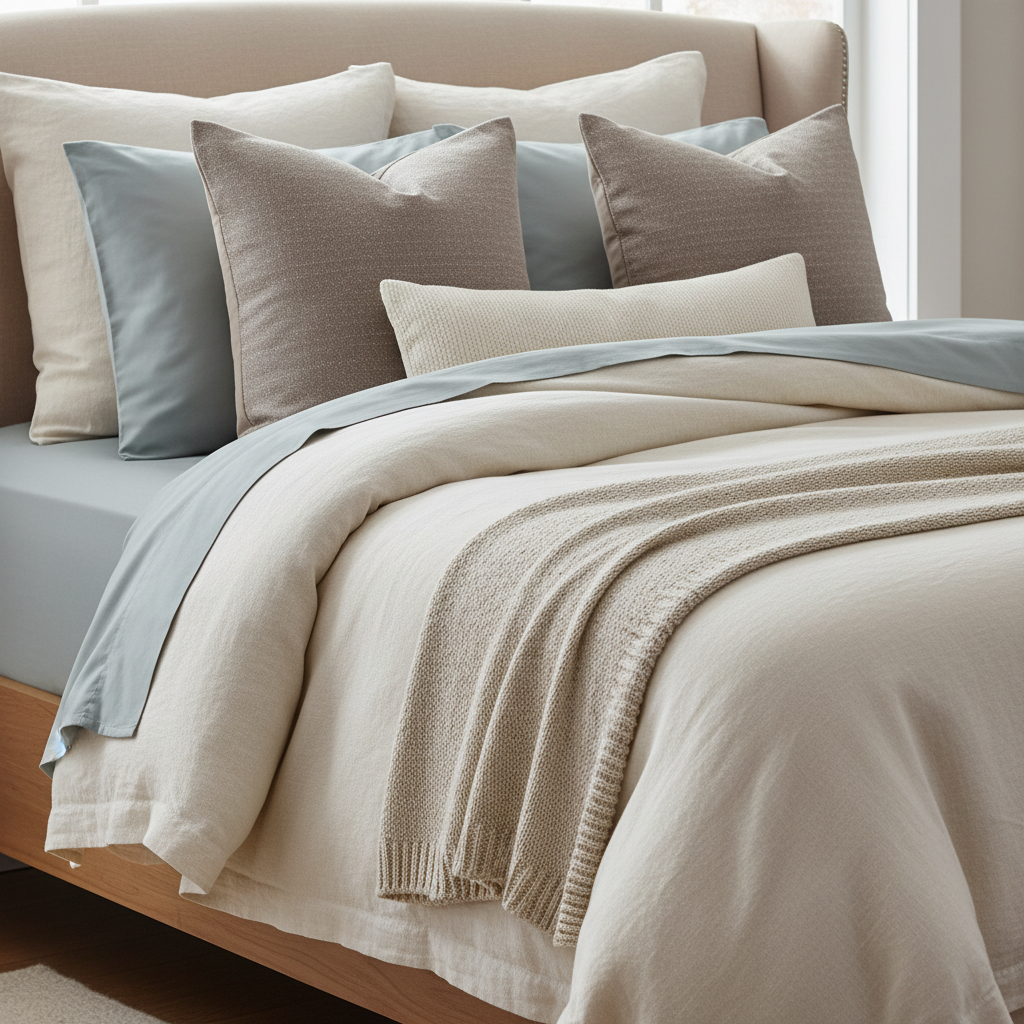
Investing in high-quality bedding is essential for creating a serene master bedroom. Your bed is the focal point of the room, and comfortable, luxurious bedding can significantly enhance your sleep experience. Opt for natural fibers like cotton, linen, or silk, which are breathable and gentle on the skin.
Thread count is often associated with quality, but it’s not the only factor to consider. Look for bedding with a tight weave and a smooth finish. Percale cotton is crisp and cool, while sateen cotton is silky and soft. Linen is a durable and breathable option that gets softer with each wash. Silk is luxurious and hypoallergenic, but it requires more delicate care.
Choose pillows that provide the right amount of support for your sleeping position. Side sleepers typically need thicker pillows, while back sleepers may prefer thinner pillows. Consider using a duvet or comforter filled with down or a down alternative for warmth and comfort. Layer your bedding with a soft throw blanket and decorative pillows to add texture and visual interest.
3. Strategic Lighting
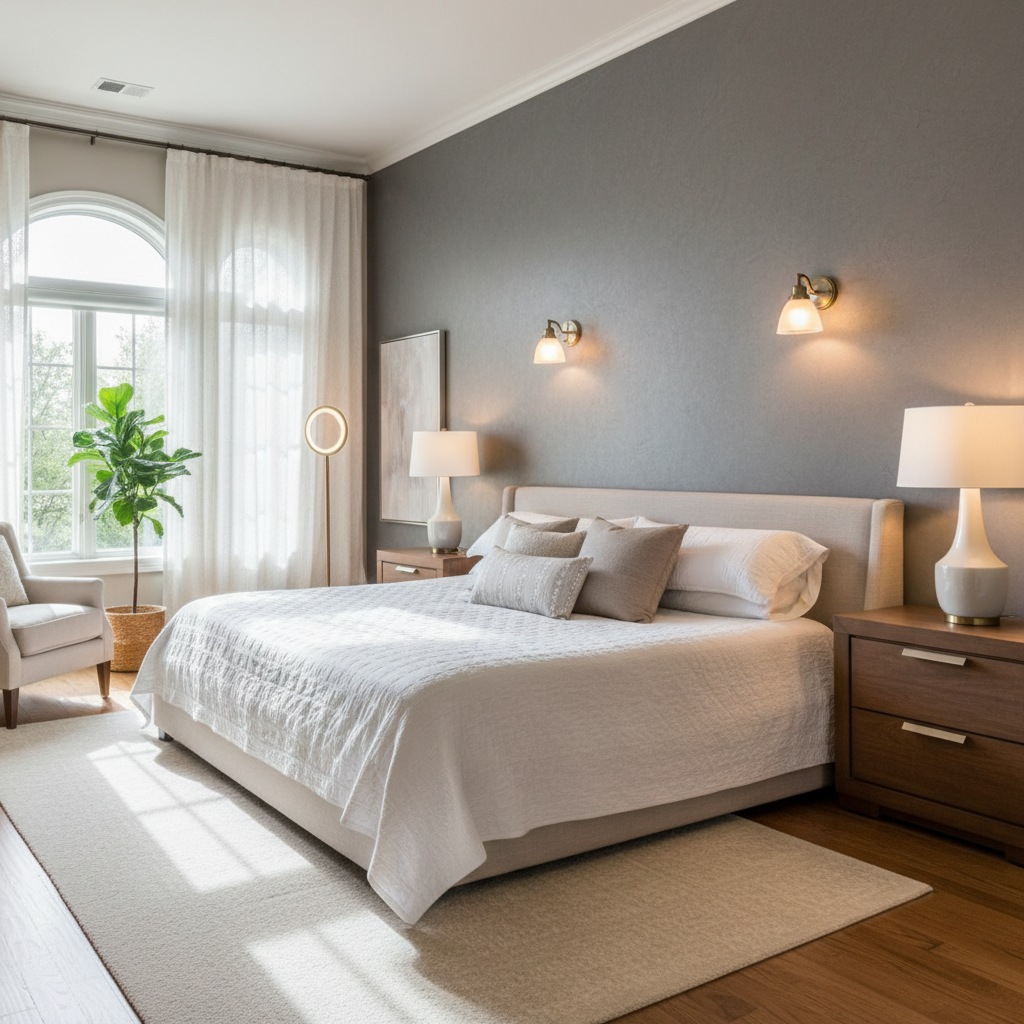
Lighting plays a crucial role in creating a serene atmosphere in your master bedroom. Harsh overhead lighting can be jarring and disruptive, while soft, layered lighting can create a warm and inviting ambiance. Aim for a combination of ambient, task, and accent lighting to meet your various needs.
Ambient lighting provides overall illumination for the room. Consider using a dimmer switch to adjust the brightness according to your mood. Task lighting is essential for reading or other activities. Place a bedside lamp on each nightstand for convenient access. Accent lighting can highlight architectural features or decorative objects. Use wall sconces, floor lamps, or table lamps to add visual interest and create a cozy atmosphere.
Choose light bulbs with a warm color temperature (2700-3000 Kelvin) to create a relaxing and inviting ambiance. Avoid using bright, cool-toned bulbs, which can be stimulating and disruptive to sleep. Incorporate natural light whenever possible by keeping windows clean and using sheer curtains or blinds to filter the light.
4. Decluttered Surfaces
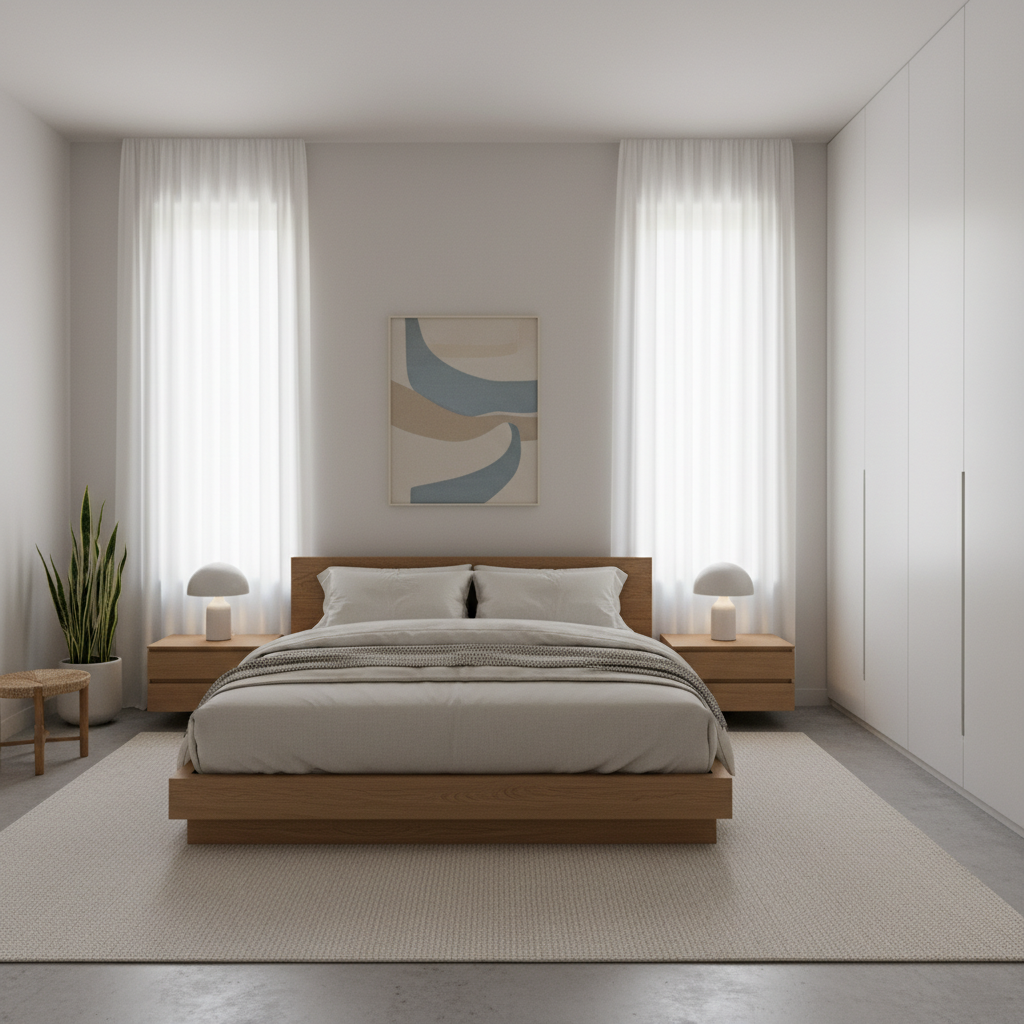
A cluttered bedroom can be a major source of stress and anxiety. Making your master bedroom a place of stillness and peace requires a commitment to decluttering and simplifying your space. Remove unnecessary items from your nightstands, dressers, and other surfaces. Keep only essential items within reach, such as a lamp, a book, and a glass of water.
Invest in storage solutions to keep clutter out of sight. Use drawers, baskets, and shelves to organize your belongings. Regularly declutter your closet and get rid of clothes and accessories that you no longer need or wear. A minimalist approach can help create a sense of calm and order in your bedroom.
Consider the layout of your furniture. Arrange your furniture to maximize space and create a sense of flow. Avoid blocking doorways or windows, and ensure that there is enough space to move around comfortably. A well-organized and uncluttered bedroom can promote relaxation and improve sleep quality. According to a study by UCLA’s Center on Everyday Lives and Families (CELF), women in cluttered homes showed higher levels of stress hormones.
5. Sound Dampening
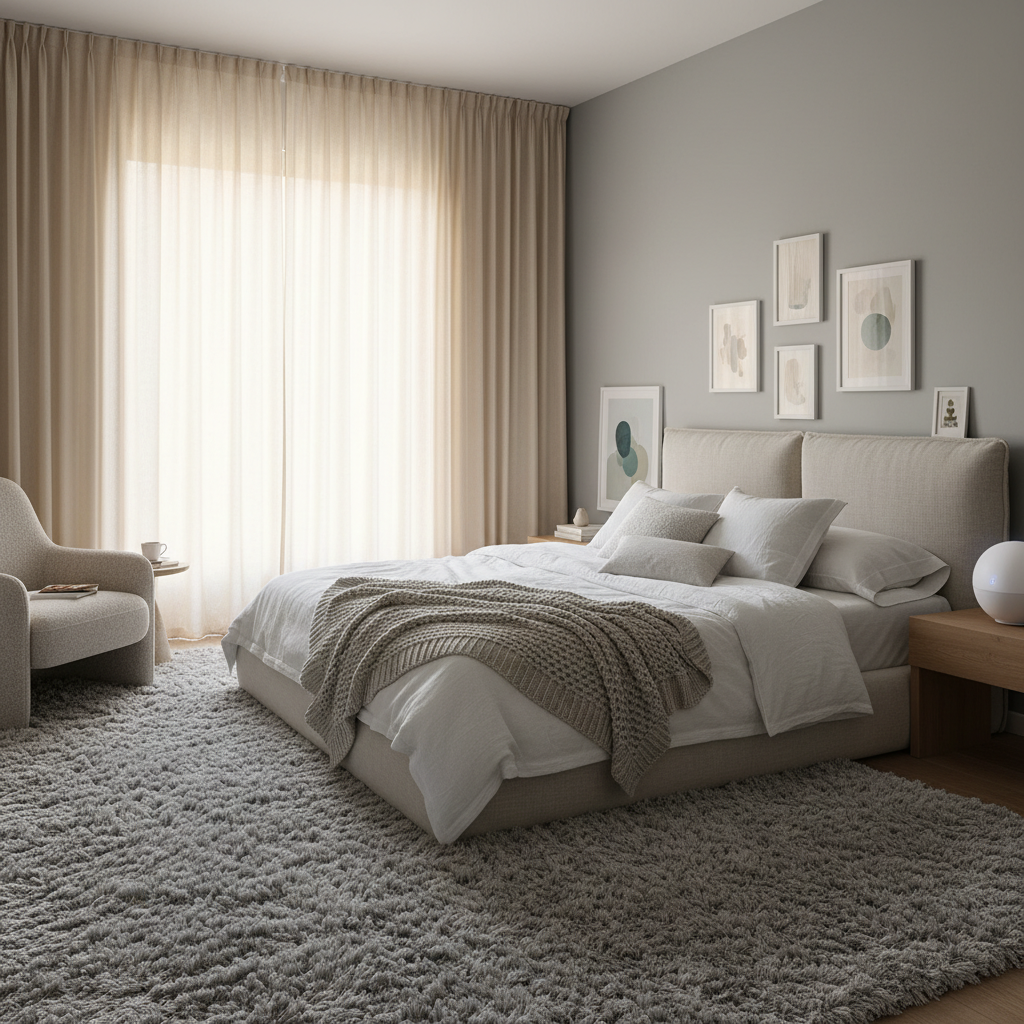
Noise pollution can significantly disrupt sleep and create a stressful environment. Creating a serene master bedroom requires addressing potential sources of noise and implementing sound dampening measures. Start by identifying the main sources of noise in your bedroom, such as traffic, neighbors, or electronic devices.
Use thick curtains or blinds to block out external noise. Consider installing double-paned windows for improved sound insulation. Place rugs or carpets on hard floors to absorb sound. Upholstered furniture and fabric wall hangings can also help to dampen noise.
Use a white noise machine or a fan to mask distracting sounds. White noise can create a consistent background sound that helps to drown out other noises. Consider using earplugs or noise-canceling headphones if you are particularly sensitive to noise. Creating a quiet and peaceful environment can promote relaxation and improve sleep quality.
6. Personalized Touches
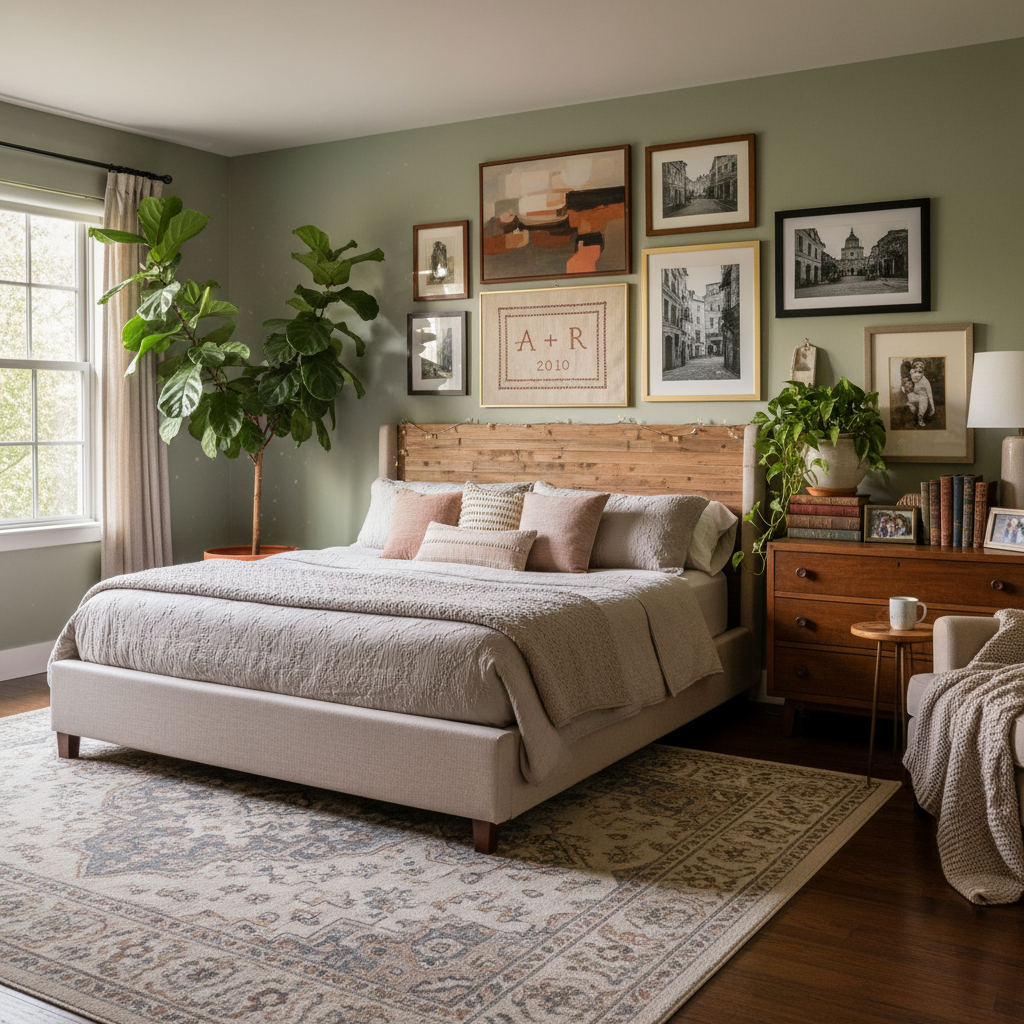
While minimalism is key, your serene master bedroom should still reflect your personality and create a sense of comfort and belonging. Incorporate elements that you love, such as artwork, photographs, or cherished objects. Choose items that evoke positive memories and emotions.
Create a reading nook with a comfortable chair, a soft blanket, and a bookshelf filled with your favorite books. Display artwork that you find inspiring or calming. Add plants to bring a touch of nature indoors. Personalize your space in a way that makes you feel happy and relaxed.
Avoid cluttering your space with too many personal items. Choose a few carefully selected pieces that you truly love and that contribute to the overall aesthetic of the room. A personalized bedroom can be a sanctuary where you feel comfortable, safe, and at peace.
7. Aromatherapy
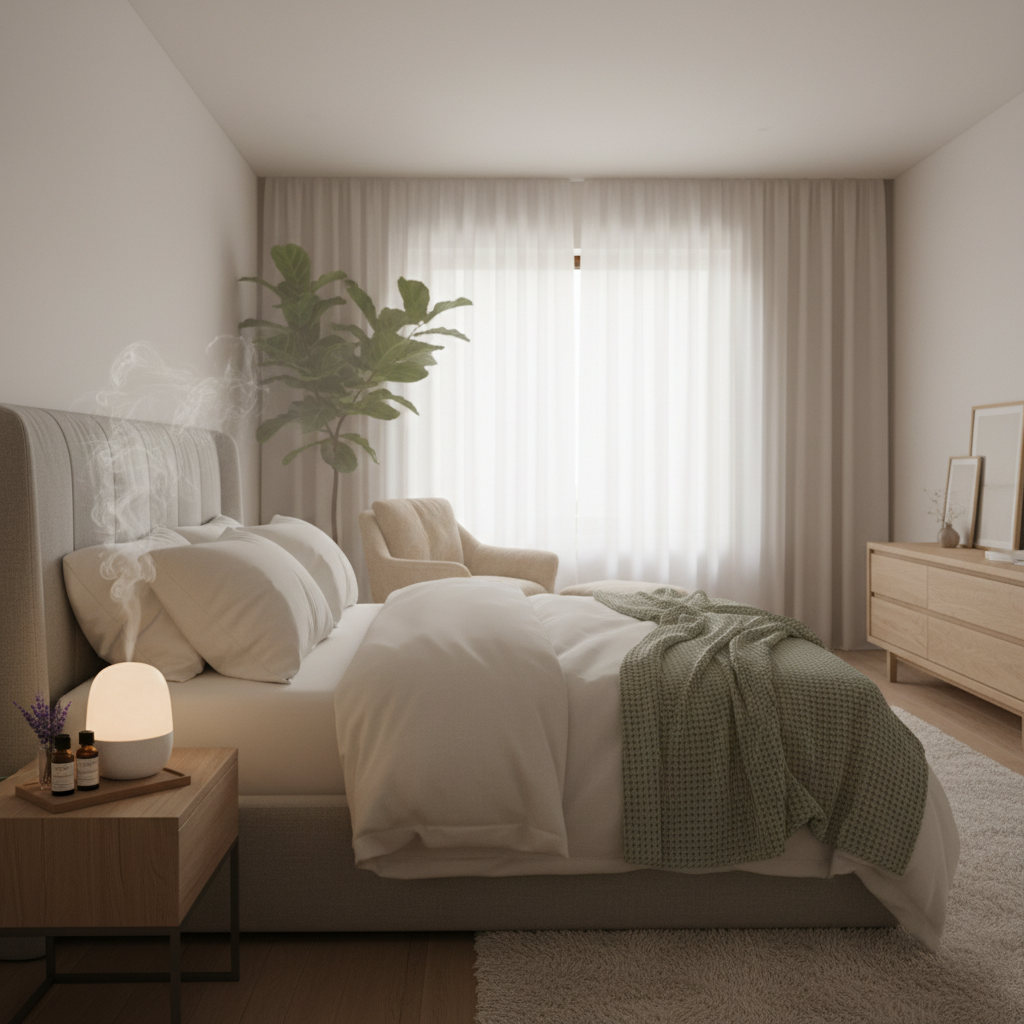
Scent has a powerful impact on our mood and emotions. Incorporating aromatherapy into your serene master bedroom can enhance relaxation and create a soothing atmosphere. Use essential oil diffusers to disperse calming scents like lavender, chamomile, or sandalwood into the air.
Lavender is known for its relaxing and sleep-promoting properties. Chamomile can help to reduce anxiety and promote calmness. Sandalwood is grounding and helps to create a sense of peace and tranquility. Experiment with different scents to find what works best for you.
You can also use scented candles or room sprays to create a calming atmosphere. Choose natural scents that are free of synthetic fragrances. Avoid using strong or overpowering scents, which can be irritating or disruptive. A subtle and soothing scent can transform your bedroom into a relaxing oasis. Research published in Complementary Therapies in Clinical Practice shows lavender aromatherapy can improve sleep quality.
Frequently Asked Questions
What are the best colors for promoting sleep in a bedroom?
A: Soft, muted tones like blues, greens, grays, and lavender are excellent choices for promoting sleep. These colors are known for their calming and restorative properties. Avoid using bright, stimulating colors like red or yellow, which can make it difficult to relax and fall asleep. Consider the undertones of your chosen colors to create the desired ambiance.
How can I reduce noise in my bedroom if I live in a noisy area?
There are several steps you can take to reduce noise in your bedroom. Use thick curtains or blinds to block out external noise. Install double-paned windows for improved sound insulation. Place rugs or carpets on hard floors to absorb sound. You can also use a white noise machine or a fan to mask distracting sounds and invest in earplugs.
What are some easy ways to declutter my master bedroom?
Start by removing unnecessary items from your nightstands, dressers, and other surfaces. Invest in storage solutions like drawers, baskets, and shelves to organize your belongings. Regularly declutter your closet and get rid of clothes and accessories that you no longer need or wear. Consider donating items you no longer use, and focus on keeping only essential items within reach.
