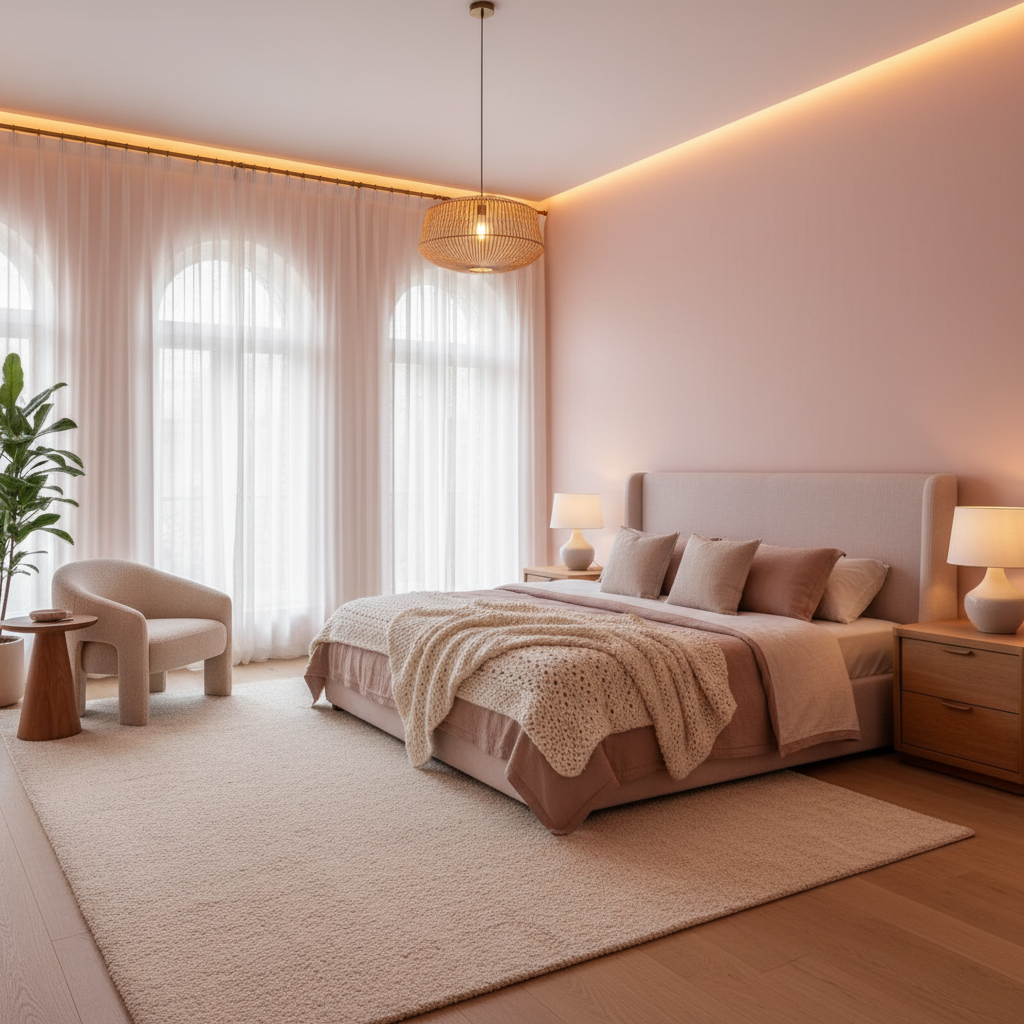


Adding rosy room decor can transform a space, lending it warmth and personality. However, achieving a sophisticated rosy aesthetic requires careful consideration and balance. The key is to go past purely saccharine expressions of pink and embrace nuanced shades, textures, and complementary colors.
- Embrace nuanced shades: Move beyond bubblegum pink and explore blush, rose gold, and dusty rose for a sophisticated feel.
- Incorporate texture and dimension: Use textiles like velvet, linen, and wool to add depth and prevent the space from feeling flat.
- Mix with contrasting colors: Pair rosy hues with cool neutrals like gray or charcoal, or with metallics like gold and brass, for a balanced palette.
- Consider lighting: Natural light enhances the warmth of rosy hues, while strategic artificial lighting can create a cozy atmosphere.
What are the Best Shades of Pink for a Sophisticated Room?
Picking the right shade of pink is crucial for creating a refined atmosphere. While bright, bubblegum pinks can feel youthful and playful, they might not be the best choice for a space aiming for elegance. Opting for muted, sophisticated tones is key to achieving a chic rosy room.
The best shades of pink that you’ll see in truly refined room decor are blush, rose gold, dusty rose, and mauve. Blush, a soft, barely-there pink, provides a subtle wash of color that is incredibly versatile. Rose gold, with its metallic undertones, adds a touch of glamour and warmth. Dusty rose offers a vintage-inspired, muted tone that pairs beautifully with natural materials. Mauve, with its hints of purple, brings depth and sophistication to a space. When choosing your rosy hues, consider the existing color palette of your room and select a shade that complements and enhances it.
Consider the undertones of the pink you choose. Some pinks have warm, peachy undertones, while others lean towards cooler, more purplish tones. Experiment with different shades and use paint swatches to see how the color looks in your space under different lighting conditions. Sample colors on the wall before committing to a full room transformation. Once you’ve picked your perfect pink, use it as a foundation for building the rest of your room’s color palette. Introducing complementary colors like gray, white, or gold can help to balance the pink and prevent it from overwhelming the space. Finally, don’t be afraid to mix and match different shades of pink within the same room to create depth and visual interest.
How Can Texture Elevate Rosy Room Decor?
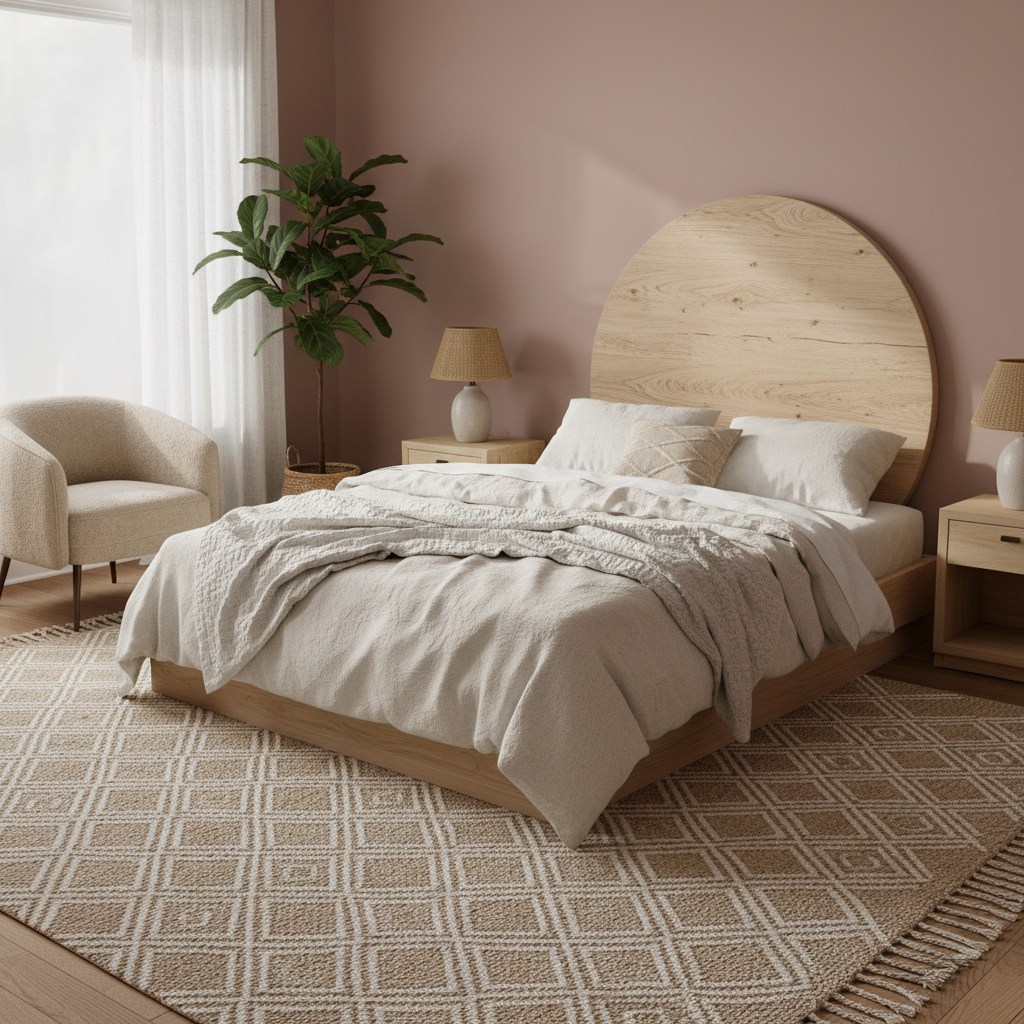
Texture is an essential element in interior design, and it plays a vital role in elevating rosy room decor from simple to sophisticated. Without texture, a room can feel flat and uninteresting, regardless of how well-chosen the colors may be.
To enhance the decor with texture, consider incorporating different materials and finishes. Think beyond paint and introduce textiles such as velvet, linen, wool, and faux fur. A velvet accent chair in a blush pink can add a touch of luxury and warmth to a living room. Linen curtains in a soft rose hue can create a relaxed and inviting atmosphere in a bedroom. A chunky wool throw in a complementary color can add depth and visual interest to a sofa or armchair. The tactile appeal of these materials adds dimension and prevents the space from feeling one-dimensional. Check out the layers section of our exploration of 7 effortless living room ideas for more on this approach for adding texture.
In addition to textiles, consider incorporating textured wall finishes, such as wallpaper with a subtle pattern or a textured paint treatment. These finishes can add depth and visual interest to the walls and create a more dynamic space. Don’t forget about accessories. Incorporating woven baskets, ceramic vases, or textured artwork can further enhance the overall textural richness of the room. Layering different textures is key to creating a sophisticated and inviting space. Experiment with different combinations until you achieve a balance that feels both visually appealing and tactilely satisfying.
What Colors Complement Rosy Hues for a Balanced Palette?
Creating a balanced color palette is crucial when incorporating rosy hues into your room decor. Too much pink can overwhelm a space and make it feel saccharine, while too little may not achieve the desired effect. The key is to find complementary colors that enhance the pink without overpowering it.
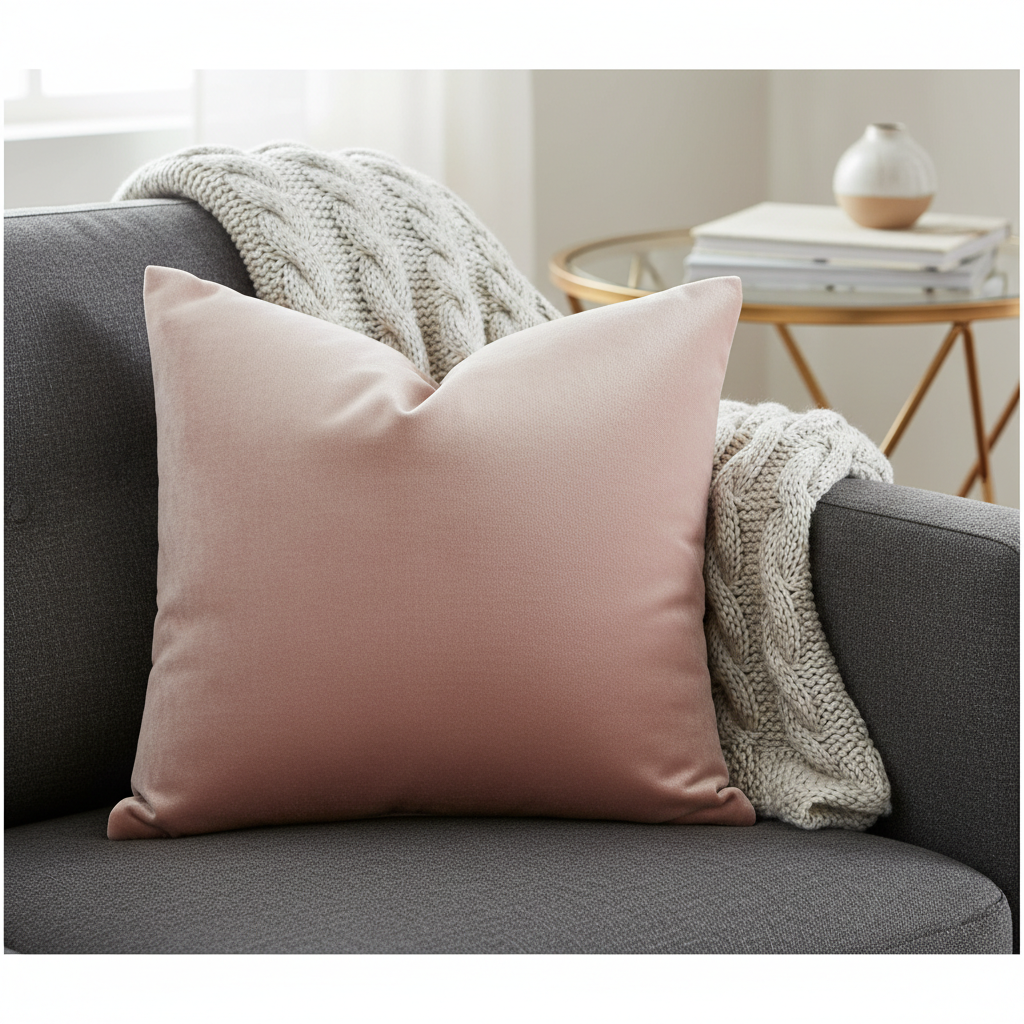
Neutral colors like gray, white, and beige are excellent choices for balancing rosy hues. A soft gray provides a cool contrast to the warmth of pink, creating a sophisticated and calming atmosphere. White offers a clean and crisp backdrop that allows the pink to stand out without feeling too overwhelming. Beige provides a warm and inviting base that complements the rosy tones. Metallic accents, such as gold, brass, and copper, can add a touch of glamour and sophistication to a rosy room. A gold mirror, brass lamps, or copper accessories can create a luxurious and elegant feel. Darker colors, such as charcoal gray or navy blue, can also be used to balance rosy hues. These colors provide a strong contrast that can add depth and visual interest to a room. According to color psychology, pairing pink with grounding colors like gray can evoke feelings of serenity and stability.
When choosing complementary colors, consider the specific shade of pink you are using. Lighter, more muted pinks, such as blush or dusty rose, pair well with soft neutrals and metallic accents. Brighter, more vibrant pinks may require stronger, more contrasting colors to balance them out. Experiment with different color combinations and use paint swatches or fabric samples to see how the colors look together in your space. Ultimately, the best color palette is one that feels both visually appealing and personally satisfying.
How Does Lighting Impact Rosy Room Decor?
Lighting plays a crucial role in how your room is perceived and experienced. The right lighting can enhance the warmth and beauty of pink hues, while the wrong lighting can make them appear dull or even unflattering.
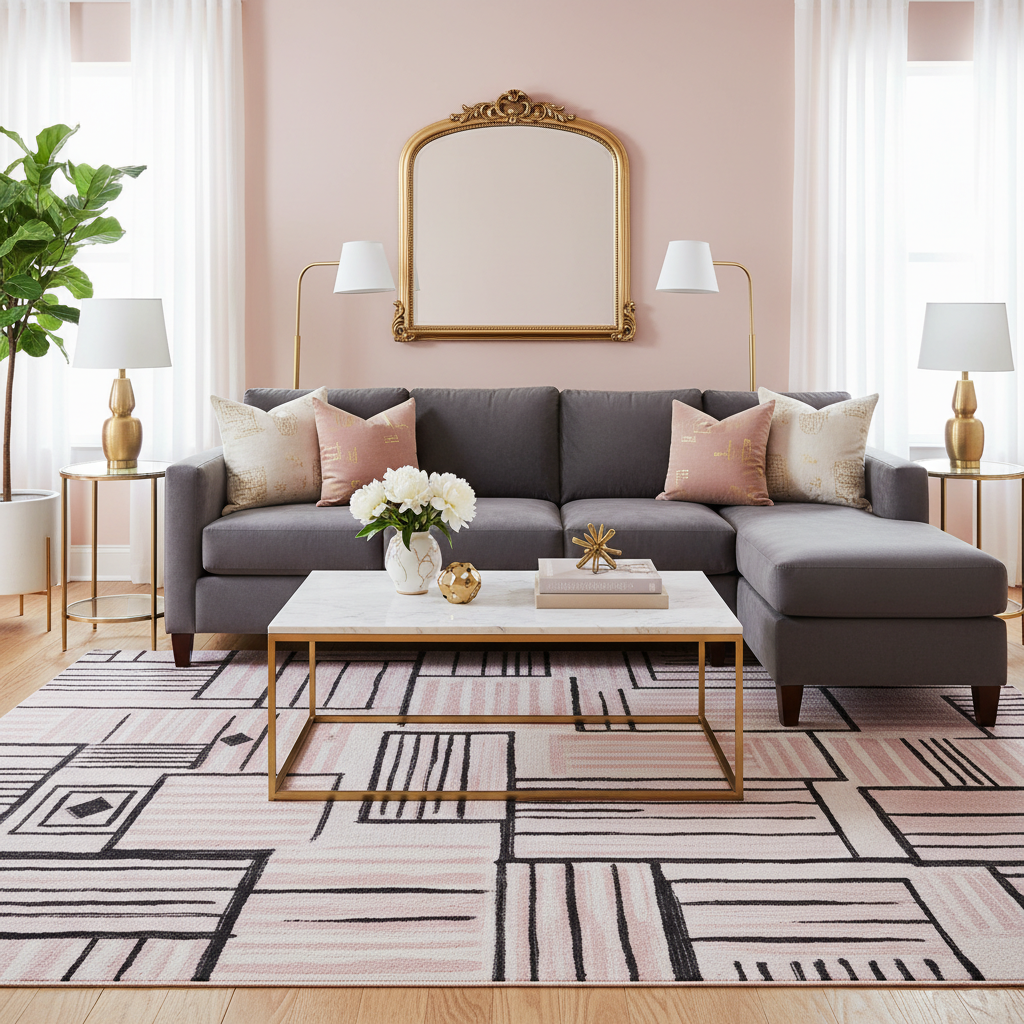
Natural light is the most flattering type of lighting for rosy room decor. Sunlight enhances the warmth and vibrancy of pink hues, creating a bright and inviting atmosphere. Maximize natural light by keeping windows clean and unobstructed. Use sheer curtains or blinds to allow natural light to filter into the room while maintaining privacy. In spaces with limited natural light, artificial lighting becomes even more important. Layered lighting is key to creating a well-lit and inviting space. Combine ambient lighting (general room lighting), task lighting (for specific activities), and accent lighting (to highlight architectural features or artwork).
Warm-toned light bulbs are generally more flattering for rosy hues than cool-toned light bulbs. Warm light brings out the warmth in pink, creating a cozy and inviting atmosphere. Consider using dimmer switches to adjust the intensity of the lighting and create different moods. Lower lighting can create a more intimate and relaxing atmosphere, while brighter lighting is ideal for tasks that require focus. Finally, don’t forget about decorative lighting. Lamps, sconces, and chandeliers can add a touch of style and personality to your room. Choose fixtures that complement the overall aesthetic of the room and provide both functional and decorative lighting.
Interested in another way to approach using one specific color (or lack of color) to design with? How about a bold, black room to bring the drama? Not for the feint of heart.