
Small dining rooms present unique design challenges, but they also offer a wonderful opportunity to get creative. With the right approach, you can maximize your space and create a dining area that is both functional and stylish. Looking to add some petite dining room flair to your home?
Here’s a breakdown of five simple yet impactful ways to elevate your small dining space, making it feel larger and more inviting.
- Mirrors: Strategically placed mirrors create the illusion of a larger space by reflecting light and expanding the room’s perceived dimensions.
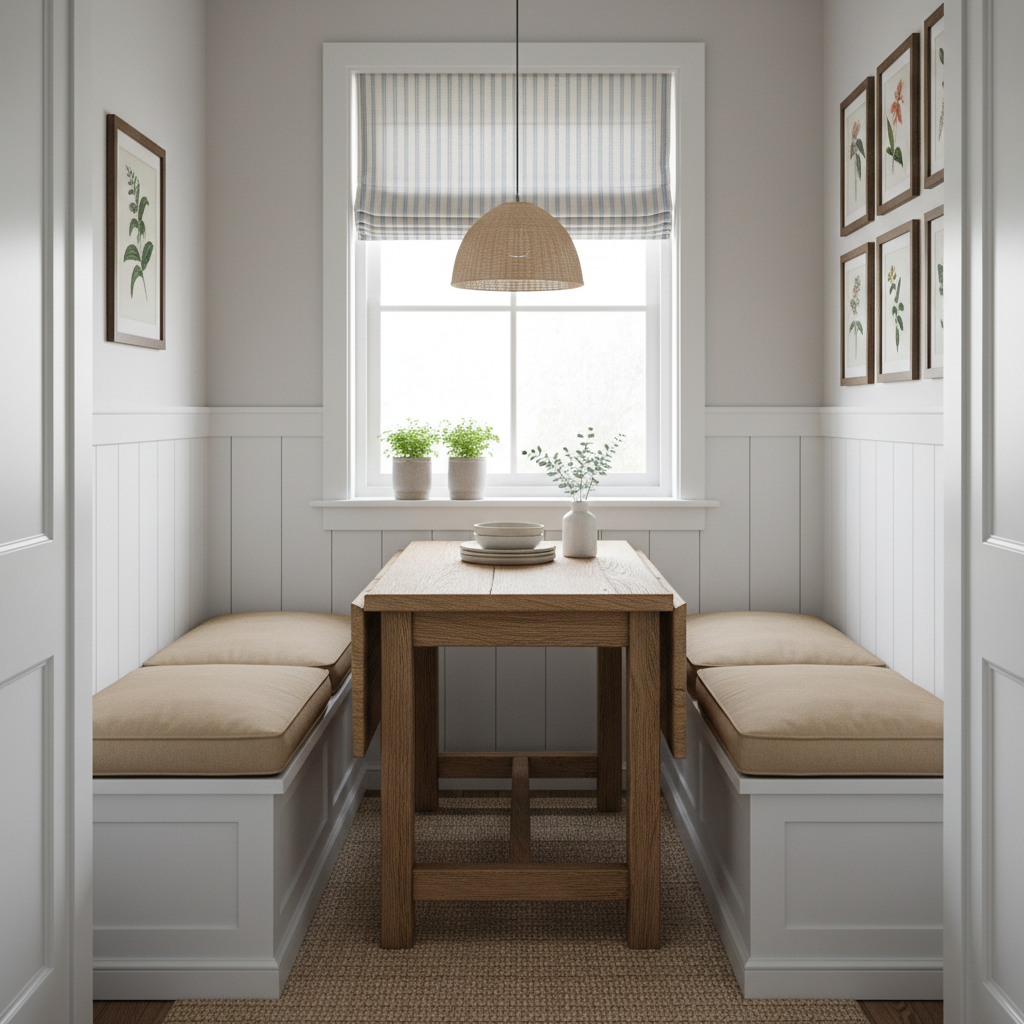
- Multifunctional Furniture: Opt for furniture that serves multiple purposes, like a drop-leaf table or storage benches, to maximize space efficiency in your petite dining room.
- Vertical Emphasis: Drawing the eye upwards with tall shelving or artwork creates a sense of height and spaciousness, making the room feel less cramped.
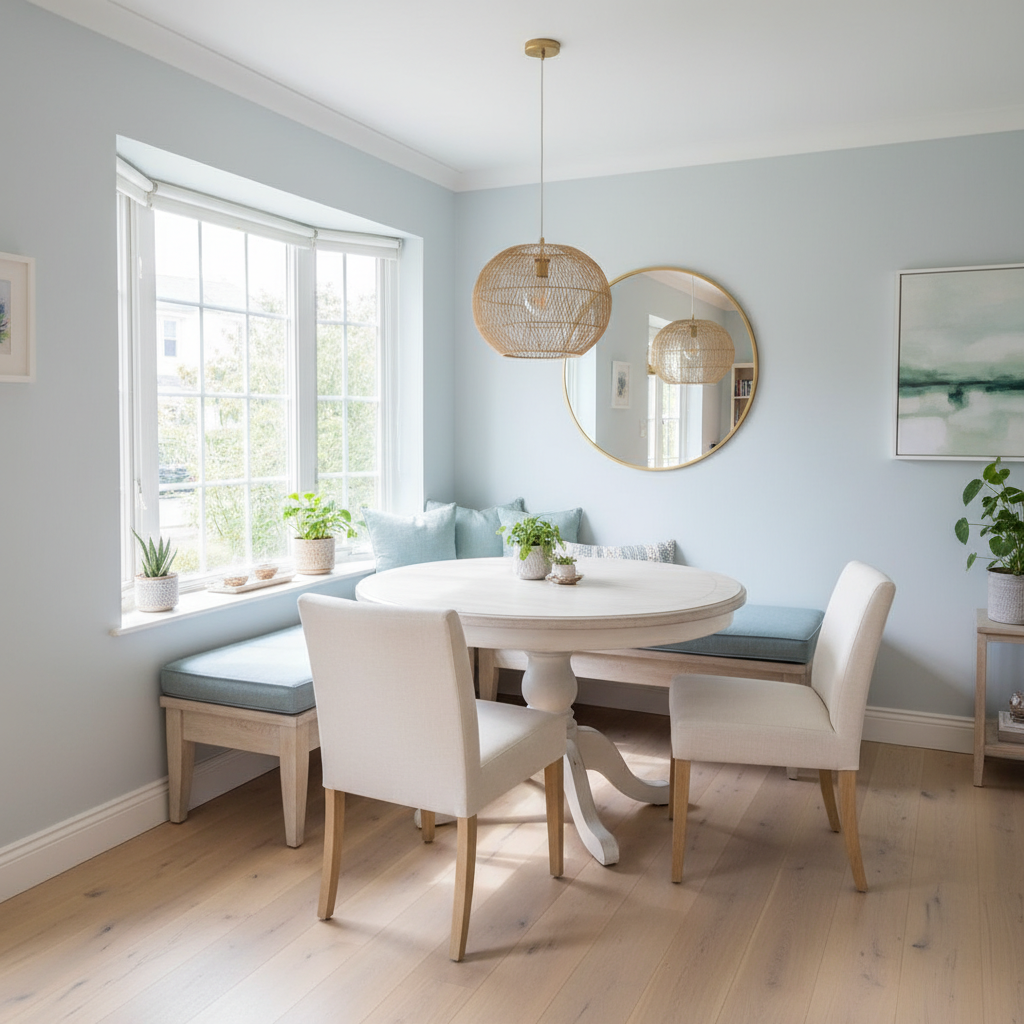
- Light and Bright Color Palette: Lighter colors reflect more light, making the room feel open and airy, while darker colors can make a small space feel even smaller.
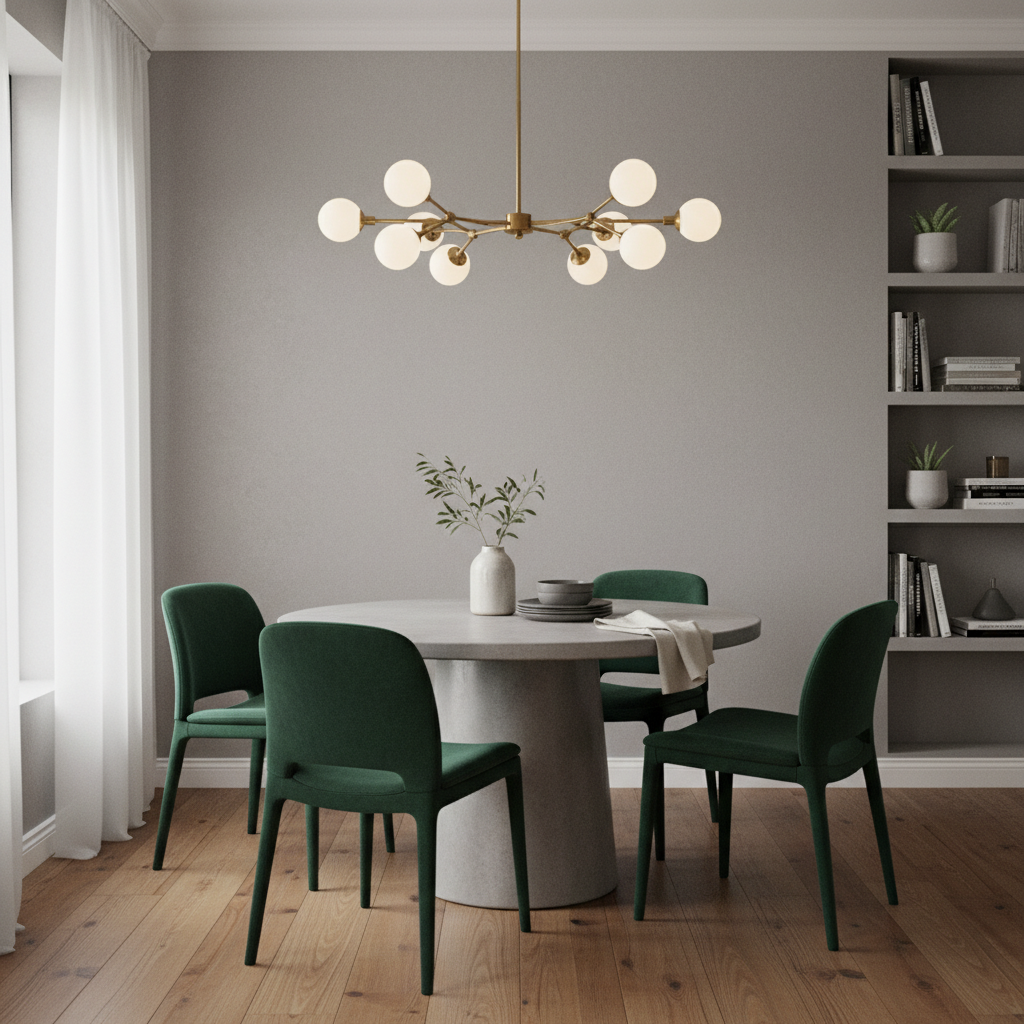
- Statement Lighting: A well-chosen pendant light or chandelier can serve as a focal point, adding personality and style without taking up valuable floor space.
1. Reflect and Expand: The Power of Mirrors
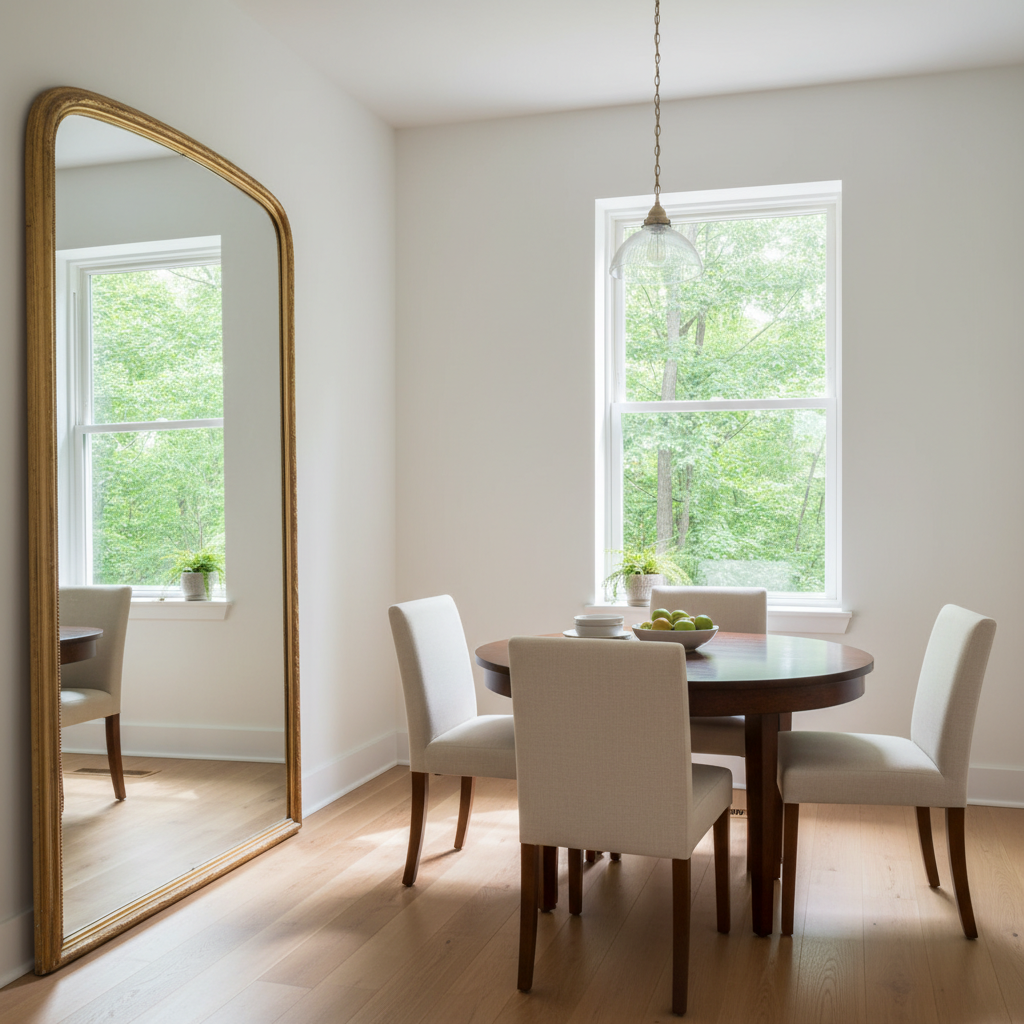
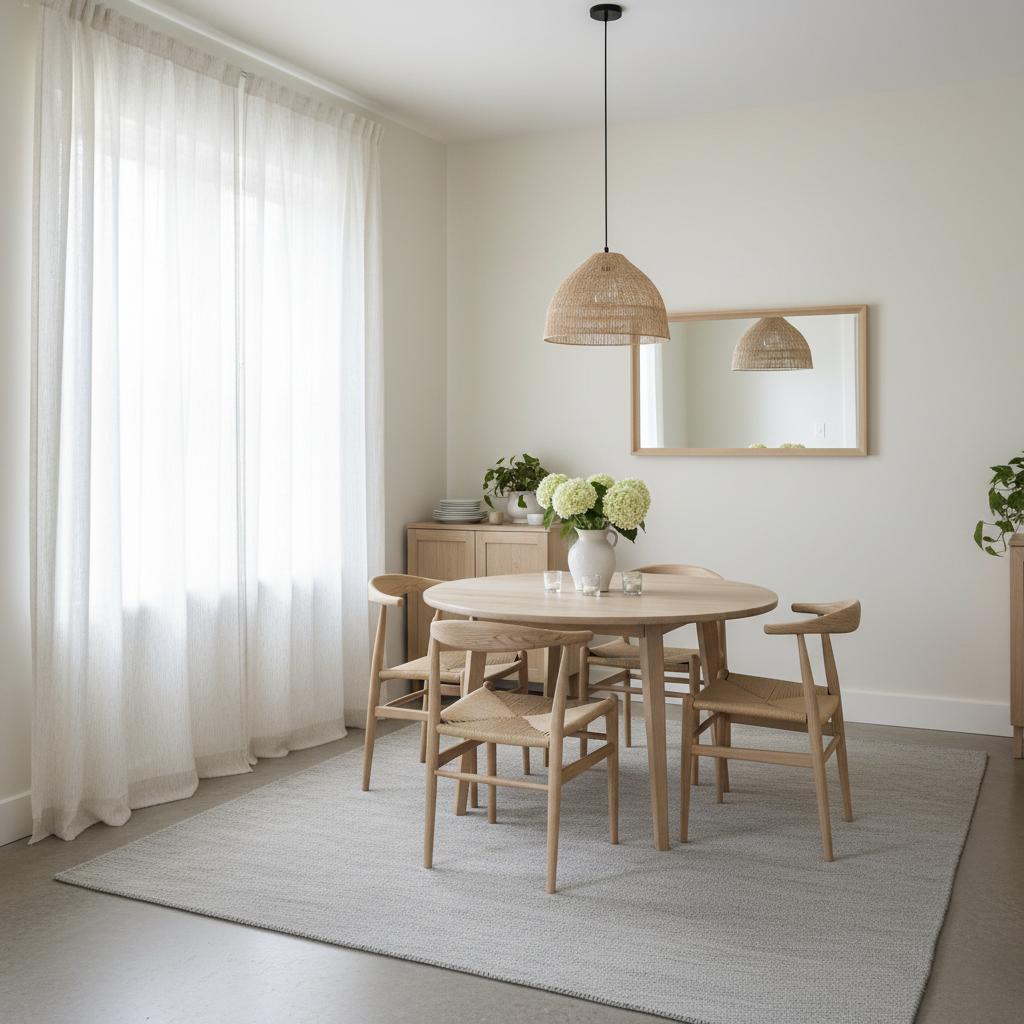
Mirrors, always. Mirrors are a designer’s secret weapon for making small spaces feel larger. When it comes to adding petite dining room flair, a strategically placed mirror can work wonders, essentially doubling the visual space. The effect is amplified by the reflection of natural and artificial light, making the room brighter and more inviting. Incorporating mirrors can increase the perceived size of a room, which is exactly what we’re after in these more modest-sized dining rooms.
Consider placing a large mirror on one wall of your dining room. This is especially effective if the mirror reflects a window or a doorway, creating the illusion of depth. For example, if your dining room faces a garden or patio, reflecting that outdoor space into the dining area makes the room feel connected to the outside world and expands its perceived boundaries.
You could also opt for smaller, decorative mirrors arranged in a gallery wall style. These can add visual interest and create a focal point while still contributing to the overall feeling of spaciousness. When selecting mirrors, consider the frame style. A sleek, modern frame can complement a contemporary dining room, while an ornate, vintage frame can add character to a more traditional space.
Think about the height of the mirror as well. A floor-length mirror can have a dramatic impact, particularly in a narrow dining room. Hanging a mirror at eye level is generally a good rule of thumb, but don’t be afraid to experiment with different heights to see what works best in your space. Before hanging, ensure the mirror is securely fastened to the wall. Safety is paramount, especially in a high-traffic area like a dining room.
Avoid placing a mirror directly opposite a blank wall, as this will simply reflect the wall back and won’t have the desired effect. Instead, aim to reflect light sources, interesting architectural details, or views of the outside world. The key is to use mirrors strategically to enhance the existing features of your dining room and create a sense of openness. Even a subtly placed mirror can work wonders for increasing points in your “petite dining room flair” WIN column!
2. Maximize Every Inch: Multifunctional Furniture
In a small dining room, every square inch counts. That’s why multifunctional furniture is your best friend. Opting for pieces that serve more than one purpose can help you maximize space and minimize clutter. A drop-leaf table, for example, is a fantastic option for small dining rooms. When not in use, the leaves can be folded down to save space. When you need to accommodate more guests, simply unfold the leaves to create a larger dining surface.
Storage benches are another great choice. These benches provide seating while also offering valuable storage space underneath. You can use them to store extra linens, tableware, or even books and games. This helps to keep your dining room tidy and organized. According to Statista, consumers are increasingly prioritizing storage solutions in their furniture purchases. This trend highlights the growing need for space-saving solutions in modern homes.
Consider a dining table with built-in storage drawers. These drawers can be used to store silverware, napkins, or placemats, keeping them readily accessible without taking up valuable counter space in your kitchen. Another option is a rolling kitchen cart that can be used as a bar cart, extra serving space, or even a small kitchen island. These carts are versatile and easy to move around, making them ideal for small spaces.
When selecting multifunctional furniture, look for pieces that are well-designed and aesthetically pleasing. Just because a piece of furniture is functional doesn’t mean it can’t be stylish. Pick pieces that complement the overall design of your dining room and reflect your personal taste.
Think about the size and scale of the furniture as well. Avoid overly bulky pieces that will overwhelm the space. Instead, opt for sleek, streamlined designs that are proportionate to the size of your dining room. Pay attention to the materials and finishes as well. Light-colored furniture tends to make a space feel larger and brighter, while darker furniture can make a small room feel even smaller. By making smart choices about your furniture, you can create a petite dining room that is both functional and stylish.
3. Eyes Up Here: Creating Vertical Emphasis
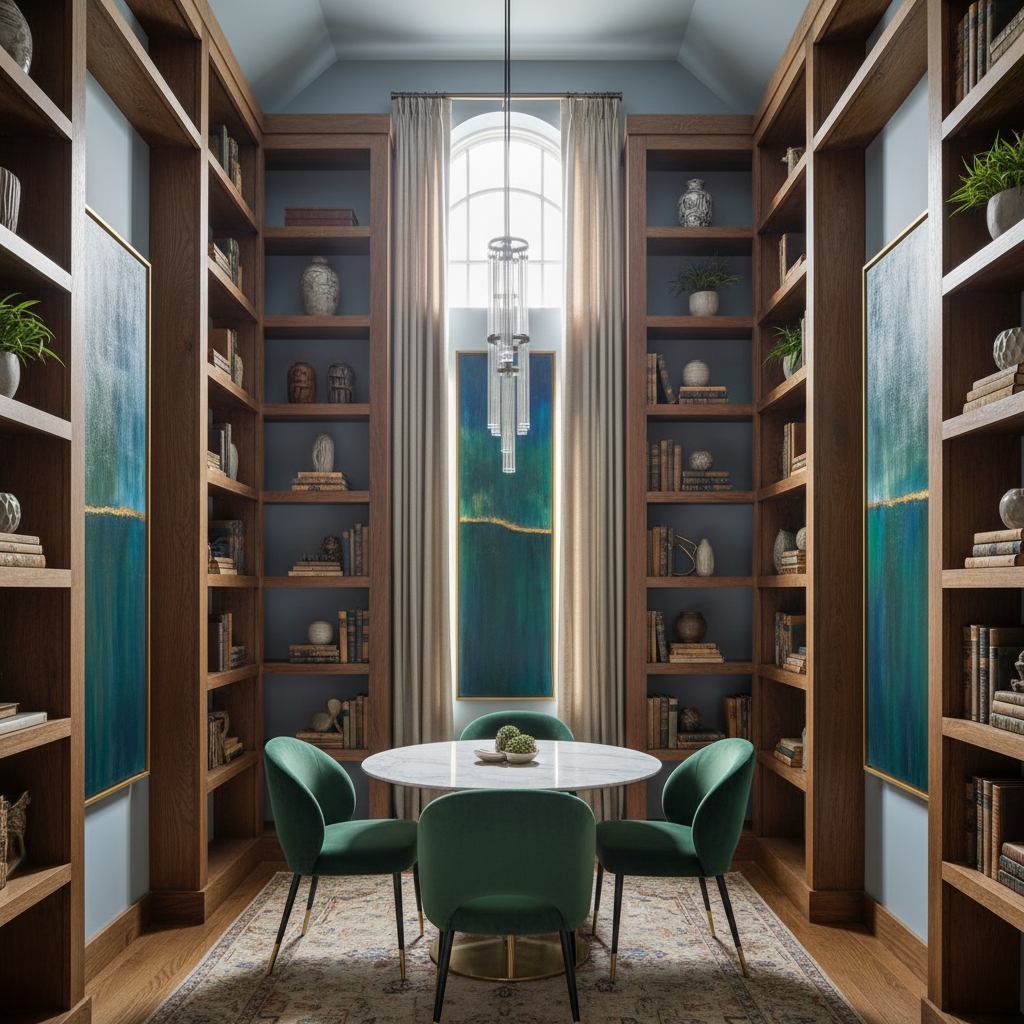
Drawing the eye upwards is a clever way to make a petite dining room feel taller and more spacious. Creating vertical emphasis can be achieved through various design elements, such as tall shelving units, artwork, or even strategically placed lighting fixtures. The goal is to lead the eye upwards, creating a sense of height and openness.
Tall, narrow shelving units are a great way to add vertical storage while also creating a visual focal point. These shelves can be used to display decorative items, books, or even plants, adding personality and character to your dining room and adding perceived height to a room.
Artwork is another effective way to create some vertical emphasis. Hang a tall, narrow painting or a series of smaller pieces stacked vertically. This will draw the eye upwards and create a sense of height. Choose artwork that complements the overall design of your dining room and reflects your personal taste.
Curtains can also be used to create vertical emphasis. Hang curtains that extend from the ceiling to the floor, even if your window is shorter. This will create the illusion of taller windows and a higher ceiling. Choose lightweight fabrics that allow natural light to filter through.
Lighting fixtures can also play a role in creating vertical emphasis. A tall floor lamp or a pendant light that hangs low over the dining table can draw the eye upwards. Choose a lighting fixture that is both functional and stylish, and that complements the overall design of your dining room.
When creating vertical emphasis, you absolutely have to maintain balance in the room. Avoid overcrowding the space with too many vertical elements. Instead, focus on creating a few key focal points that will draw the eye upwards without overwhelming the space. Also, when using a tall shelving unit, be sure to anchor it to the wall. This will prevent it from tipping over and causing injury. Safety is important, especially in a high-traffic area like a dining room. By incorporating vertical elements into your design, you can create a petite dining room that feels taller, more spacious, and more inviting.
4. Light and Airy: Choosing the Right Color Palette
The color palette you choose for your *petite dining room can have a significant impact on how spacious it feels. Lighter colors reflect more light, making the room feel open and airy, while darker colors can absorb light and make a small space feel even smaller. That’s why it’s generally recommended to opt for a light and bright color palette when decorating a small dining room. Soft neutrals and pastels are increasingly popular choices for creating a sense of calm and openness in interior design.
White is always a classic choice for small spaces. It’s clean, crisp, and reflects light beautifully. However, if you find white too sterile, you can opt for other light neutrals, such as cream, beige, or light gray. These colors are just as effective at reflecting light and creating a sense of spaciousness, but they also add a touch of warmth and depth.
Pastel colors, like light blue, mint green, or lavender, are another great option for small dining rooms. These colors are soft and soothing, and they can create a calming and inviting atmosphere. When using pastel colors, it’s important to avoid overwhelming the space. Use them sparingly, as accent colors, or in combination with light neutrals.
If you’re determined to use darker colors in your petite dining room, you can still do so, but you need to be strategic about it. Use darker colors as accent colors, rather than painting the entire room in a dark shade. For example, you could paint one wall in a dark color, or use dark-colored furniture or accessories.
When choosing a color palette, it’s important to consider the amount of natural light that your dining room receives. If your dining room is dark, you’ll want to choose colors that are especially good at reflecting light. If your dining room is bright, you have more flexibility with your color choices.
Don’t forget about the ceiling! Painting the ceiling a lighter color than the walls can make the room feel taller. A white or light-colored ceiling will reflect more light and create a sense of spaciousness. By carefully considering your color palette, you can create a space that feels light, airy, and inviting.
5. Make a Statement: Lighting as Focal Point
In a small dining room, where space is limited, every design element should pull its weight. Instead of cluttering the room with numerous decorative items, let a statement lighting fixture be the star of the show. A well-chosen pendant light or chandelier can serve as a focal point, adding personality and style without taking up valuable floor space. The Illuminating Engineering Society reports that proper lighting can significantly impact the perceived size and comfort of a room.
Consider a pendant light with a unique design or an eye-catching finish. This will draw the eye upwards and create a sense of height. Choose a pendant light that is proportionate to the size of your dining table and the overall size of the room. An overly large pendant light can overwhelm a small space, while a pendant light that is too small will get lost in the room.
A chandelier can also be a great option for a small dining room. Choose a chandelier with a modern, minimalist design to avoid overwhelming the space. Crystal chandeliers can add a touch of elegance and glamour, while wrought iron chandeliers can add a rustic, industrial feel.
In addition to the main lighting fixture, consider adding other light sources to your petite dining room. Wall sconces can provide ambient lighting and add a touch of elegance. Table lamps can provide task lighting for reading or working at the dining table.
When choosing lighting fixtures, it’s important to consider the color temperature of the light bulbs. Warm light (2700K-3000K) creates a cozy and inviting atmosphere, while cool light (4000K-5000K) is more energizing and can make a small room feel brighter.
Install a dimmer switch for your dining room lighting. This will allow you to adjust the brightness of the lights to create the perfect ambiance for any occasion. Whether you’re hosting a formal dinner party or enjoying a casual meal with family, you can easily adjust the lighting to suit the mood. By making lighting a focal point, you can create a stylish and functional space.