



Maximizing Your Small Living Room Space: Beat the Squeeze and Find Your Flow
Your apartment is 600 square feet. Your stuff feels like it needs 1,200. This math problem basically defines urban living these days, and honestly, most design advice doesn’t help much. It’s all about maximizing small living without acknowledging that sometimes you just need somewhere to put your winter coats.
But small spaces actually work better when you stop fighting them. Instead of cramming in everything you think you need, focus on what actually makes sense for how you live. A few smart choices can make a tiny living room feel genuinely comfortable, not just Instagram-ready.
- Multi-functional furniture does the heavy lifting: One piece handling two or three jobs means less stuff overall
- Vertical storage gets things off the floor: Walls hold more than you think, and floor space feels precious when you have it back
- Regular decluttering prevents the creep: Small spaces get overwhelmed fast, so maintenance matters more than in bigger homes
- Light colors and actual light help: Physics works in your favor here, though it’s not magic
- Creating zones makes everything feel intentional: Even 400 square feet can have a living area that’s separate from where you sleep
How Can Multi-Functional Furniture Transform Small Spaces?
The West Elm catalog wants you to believe you need seventeen different pieces for a complete living room. Storage ottoman, coffee table, side tables, TV console, bookshelf, desk, dining table. Add it up and you’re looking at maybe $3,000 and zero floor space.
Multi-functional pieces actually solve this, though not always in the obvious ways. When you’re decorating a small living room, interior design becomes more about strategic choices than aesthetic preferences.

The IKEA Friheten sofa bed runs about $450 and handles seating for four, sleeping for two, plus storage underneath. That’s three furniture purchases solved with one piece that takes up maybe 80 square feet. The old sofa beds from the 90s were genuinely terrible to sleep on, but the newer ones use actual mattresses. Not hotel-quality, but better than an air mattress when your sister visits.
Storage ottomans work harder than you’d expect. The round fabric ones from Target, around $60, fit under most coffee tables when you don’t need extra seating. Multi-functional pieces are equally crucial when working with petite dining room flair, where every piece must justify its presence. Open them up and you’ve got space for throw blankets, board games, or whatever random stuff needs hiding. Get one in a color that doesn’t match perfectly. Matchy-matchy furniture arrangement reads as “apartment starter set.”
Coffee tables with lift tops feel gimmicky until you actually use one. The Lift Top Coffee Table from Wayfair, roughly $200, creates a proper desk height for laptop work or eating dinner in front of the TV. Which happens more than design blogs want to admit. Plus storage inside for remotes, chargers, and all the small stuff that usually lives on top.
Nesting tables are underrated. CB2’s set runs about $180 and you can spread them around as side tables or group them together when you need more surface space. They tuck away completely when you don’t need them, which matters more in a small room than having the perfect coffee table all the time.
Built-in storage makes the biggest difference long-term. The IKEA Hemnes TV stand costs around $200 and has enough drawer space to hide cable boxes, gaming systems, and the random electronics everyone accumulates. Visible storage looks cluttered fast in small spaces. Closed storage keeps things calm.
Look for furniture with small footprints but maximum function. A narrow console table behind your sofa can work as a desk, bar, or display space depending on what you need that day. Flexibility matters more than having exactly the right piece for every single task.
Why is Vertical Storage Essential for Maximizing Small Living Spaces?
Floor space in a small living room is like parking in Manhattan. Every square foot counts, and you notice when it’s gone. Vertical storage moves your stuff up the walls instead of across the floor, which immediately makes everything feel less crowded.
Most people underuse their wall space by a lot.
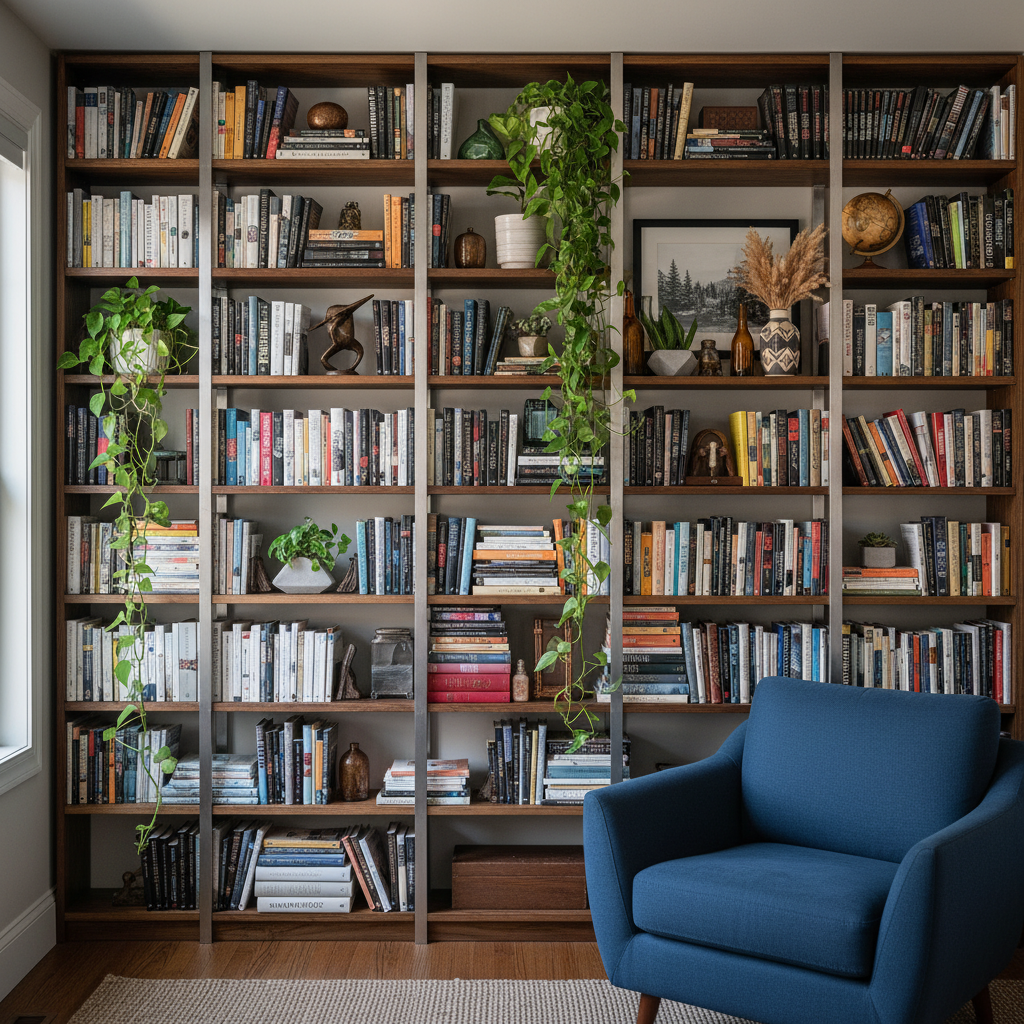
The IKEA Billy bookcase is boring but effective. About $60 for the tall version, and it holds books, storage boxes, plants, whatever needs a home. Get it in white and it disappears into the wall. Get it in wood tone and it adds warmth. Either way, it’s holding probably 200 pounds of your stuff without taking up more than two square feet of floor.
Floating shelves look cleaner but require more planning. The weight limits matter more than manufacturers want you to think. Those $15 shelves from Home Depot work fine for books and decorative accents. Heavier stuff needs proper wall anchors, which might mean calling someone handy if you’re renting.
Wall-mounted cabinets hide clutter better than open shelving, but they cost more. IKEA’s wall cabinet collection starts around $80 per unit. Worth it if you have a lot of stuff that looks messy on open shelves. Gaming equipment, charging cables, the random collection of things everyone keeps but never wants to look at.
The space above doorways and windows usually goes unused. Small shelves up there work for books you don’t read often, seasonal decorations, or storage boxes. Just make sure you can actually reach them. A stepladder every time you need something gets old. We explore vertical thinking thoroughly in our guide to vertical storage solutions for dorm rooms – many strategies translate perfectly to small apartments.
Hooks and wall organizers handle daily stuff better than you’d expect. The Command strips versions damage walls less, though they’re not great for heavy items. Mail, keys, dog leashes, reusable shopping bags. All the stuff that usually ends up on counters or tables.
Height creates drama too. One tall bookshelf draws your eye up and makes the ceiling feel higher. Several short pieces keep your attention at sitting level, which makes the room feel more closed in. Physics and psychology working together.
Storage baskets on shelves hide the messy stuff while keeping it accessible. The woven ones from Target, maybe $20 each, look decent and fit most shelving units. Label them if you’re organized. Don’t if you’re not.
How Does Decluttering Contribute to a More Spacious Feel?
Small spaces get overwhelmed fast. What feels like reasonable amounts of stuff in a bigger place becomes visual chaos when everything’s compressed. Regular decluttering isn’t just organization advice, it’s survival.
The math is simple. Fewer things need less space to look organized.

Start with obvious stuff. Magazines from 2019, broken electronics you’ll never fix, clothes that don’t fit, kitchen gadgets you used once. Sell what has value, donate what doesn’t, trash what’s actually trash. This part isn’t fun, but it goes faster than you think.
The harder decisions involve stuff you might use someday. Books you’ll maybe reread, kitchen tools for cooking you don’t actually do, hobby supplies for hobbies you don’t actually have time for. Be honest about your actual life versus your aspirational life. That bread maker seemed like a great idea, but if you’ve used it twice in three years, someone else should have it.
One in, one out works for preventing new accumulation. Buy a new throw pillow, donate an old one. New book, old book goes to the library book sale. It sounds rigid, but it prevents the slow creep that makes small spaces feel stuffed. This budget-friendly living room strategy works better than buying more storage.
Storage containers help with what stays. Clear plastic bins from Target, around $8 each, keep seasonal stuff organized and visible. Canvas bins look better but cost more, maybe $25 each from Crate & Barrel. Either way, if it doesn’t fit in the designated container, you probably have too much of that thing.
Digital decluttering helps too. Streaming services mean you don’t need shelves of DVDs. Cloud storage means less paper filing. Spotify means fewer CDs taking up space. Technology solved some storage problems, though it created others.
Sentimental stuff is the hardest category. Keep some, but not everything. One box of college memories, not seven. Your favorite childhood books, not your entire childhood library. Take photos of items that matter for memories but not for daily life.
The psychological impact is real. Cluttered spaces increase stress hormones measurably. Clean, organized spaces help you think more clearly and feel more relaxed. It’s not just aesthetic preference, it’s how brains work.
Make decluttering routine. Fifteen minutes every Sunday prevents major accumulation. Big sessions every few months catch what daily maintenance misses. Small spaces require more maintenance than big ones, but the maintenance goes faster too.
In What Ways Do Light and Color Impact the Perception of Space?
Light colors reflect light back into the room. Dark colors absorb it. This isn’t design theory, it’s physics, and it affects how big spaces feel.
White walls make rooms feel bigger, though they don’t actually make them bigger. The extra reflected light creates the illusion of more space, especially when natural light is limited.

Benjamin Moore’s White Dove is everywhere for a reason. It’s warm enough to not feel sterile, clean enough to make spaces feel larger. About $55 per gallon, covers roughly 400 square feet. Sherwin Williams’ Alabaster runs similar and looks nearly identical. Either way, you’re looking at maybe $150 in paint to completely change how your space feels. Understanding how neutral colors affect mood and perceived space is central to our mood-boosting shades guide for creating specific atmospheres.
Natural light makes the biggest difference. Keep windows clean, which sounds obvious but gets forgotten. Remove heavy curtains if privacy allows. Sheer panels from IKEA, around $15 per window, filter light without blocking it completely.
Mirrors multiply light effectively, though giant mirrors can feel like design clichés. The round ones from CB2, about $180 for a 30-inch diameter, reflect light without looking like you’re trying too hard. Place them across from windows to double the natural light impact. This approach creates a modern living room design tip that actually works.
Artificial light matters when natural light isn’t enough. Overhead fixtures create even light but can feel harsh. Table lamps and floor lamps create warmer, more varied lighting. The IKEA Holmo floor lamp costs $25 and provides soft, diffused light that makes spaces feel comfortable.
Color temperature affects mood. Warm light, around 2700K, feels cozy and relaxing. Cool light, 4000K or higher, feels energizing but can seem sterile in living spaces. Most home styling should lean warm, especially in small spaces where you want to feel comfortable.
Dark colors work as accents without overwhelming the space. Navy blue throw pillows, a charcoal gray rug, black picture frames. Small doses of darker colors add depth without making the room feel closed in. Just avoid large dark surfaces like accent walls or dark furniture in very small rooms.
Jewel tones add richness without heaviness. Deep emerald, burgundy, or burnt orange in small doses create interest. Anthropologie’s throw pillows run about $68 each but add personality that white and beige can’t match.
Paint finish matters too. Flat paint absorbs light, while semi-gloss reflects it. Eggshell or satin finishes reflect some light while hiding wall imperfections better than high-gloss options. This creates a cozy living room setup without major renovation costs.
Plants add life and color without overwhelming small spaces. Pothos grows easily in low light, costs about $15 from most nurseries, and trails beautifully from high shelves. Snake plants handle neglect well and add vertical interest for around $25.
Lighting layers create depth. Overhead light for general illumination, task lighting for reading or work, accent lighting for mood. You don’t need professional design, just multiple light sources at different heights. This minimalist living room style works even in the smallest spaces.
