



Fabric Wall Art: Adding Instant Warmth and Soft Texture to Your Home
Looking to add a unique and cozy touch to your home décor? Fabric wall art offers a simple yet stunning way to infuse warmth and texture into any space. It’s a versatile and affordable DIY project, perfect for adding a personal touch to your walls.
- Fabric wall art is an easy and budget-friendly way to personalize your living space.
- It introduces texture and warmth, creating a more inviting and comfortable atmosphere.
- DIY fabric wall art allows for complete creative control, reflecting your individual style.
- You can repurpose old fabric scraps, giving them new life as beautiful art pieces.
- Consider various techniques like stretching, quilting, weaving, or framing fabric.
What are Some Simple Techniques for Creating Stretched Fabric Wall Art?
Creating stretched fabric wall art is one of the most straightforward and effective methods for bringing textiles into your home décor. The technique requires minimal tools and allows for a clean, contemporary look that can complement a variety of interior styles. The beauty of this approach lies in its simplicity, making it an accessible DIY project for beginners. It’s also extremely versatile, letting you showcase everything from bold prints to delicate textures.
The most basic method involves stretching your chosen fabric around a wooden artist’s canvas frame, securing it with staples or tacks. The size of the frame dictates the size of your finished piece, allowing for customization to fit specific wall spaces. Start by carefully centering the fabric over a frame, ensuring the pattern or design is positioned as desired. Then, start stretching the fabric tight, working from the center outwards on each side. This even tension is crucial to avoid any unsightly wrinkles or sagging.
Staple the fabric to the back of the frame, pulling it tight as you go. A staple gun is what most folks use for this process, but you can also use tacks and a hammer if you prefer. Be sure to trim away any excess fabric once the entire perimeter is secured, leaving a clean and professional finish. This method is very well-suited for showcasing large-scale prints or bold patterns, as the clean edges of the frame allow the fabric to take center stage.
For a more refined look, consider adding batting or padding beneath the fabric. This adds a layer of depth and creates a softer, more luxurious feel. Simply cut the batting to the size of the frame and adhere it to the surface before stretching the fabric. This technique is works great with textured fabrics like velvet or corduroy, because the added padding enhances their tactile appeal. According to a recent survey, homes featuring textiles that encourage touch are rated as 25% more inviting. This highlights the importance of texture in creating a welcoming atmosphere.

How Can I Incorporate Quilted Fabric into Wall Decor?
Quilted fabric wall art introduces a unique dimension of texture and pattern to your home. Quilting, historically a craft born of necessity, transforms fabric scraps into intricate and visually captivating pieces of art. Incorporating quilted elements into your wall decor is a fantastic way to celebrate this tradition while adding a personal touch to your living space. It’s a way to tell a story through fabric and stitch.
Unlike stretched fabric, quilted wall art offers a layered effect, with various fabrics pieced together to create complex designs. This allows for endless creative possibilities, from traditional geometric patterns to more abstract and contemporary compositions. One popular technique involves creating small, individual quilt blocks and then joining them together to form a larger wall hanging. These blocks can be made using a variety of fabrics, colors, and patterns, allowing you to customize the piece to perfectly match your existing décor.
Consider using different quilting techniques to add visual interest. Appliqué, where fabric shapes are sewn onto a background fabric, can be used to create intricate floral or nature-inspired designs. Embroidery can also be incorporated to add fine details and personalized touches. The quilting stitches themselves can also be used as a design element, creating patterns and textures that enhance the overall aesthetic.
When displaying quilted fabric wall art, consider the size and scale of the piece in relation to the wall. Smaller quilts can be hung individually or grouped together to create a gallery wall effect. Larger quilts can serve as a statement piece, adding warmth and visual impact to a room. You can hang quilts using traditional quilt hangers, which clamp onto the top and bottom edges of the quilt, or by creating a sleeve on the back of the quilt and slipping a rod through it.
To add a modern twist, consider framing a small section of a quilt as art. This allows you to showcase the intricate details of the quilting without committing to a full-sized wall hanging. You can also experiment with using different types of batting to create different textures and dimensions. Loftier batting will create a puffier, more three-dimensional effect, while thinner batting will result in a flatter, more subtle look.

Can Weaving Techniques Create Unique Textile Wall Hangings?
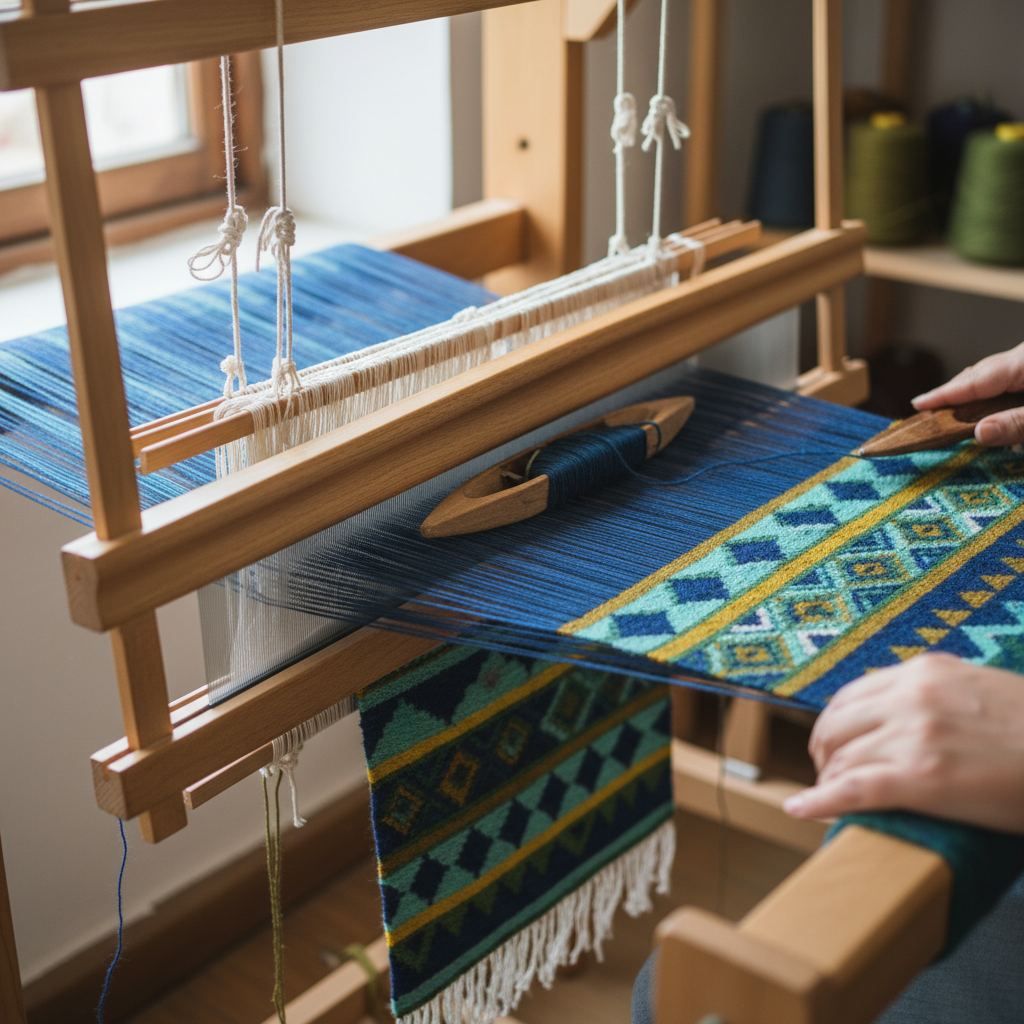
Weaving, an ancient art form, offers a remarkable way to create truly unique and textured fabric wall hangings. Unlike stretched or quilted fabric, weaving involves interlacing threads or yarns to create a fabric structure, resulting in a piece that is both visually appealing and structurally sound. It’s a process that allows for endless experimentation with color, texture, and pattern. Woven wall hangings can range from simple geometric designs to elaborate tapestries, offering a wide range of aesthetic possibilities.
One of the most accessible weaving techniques for beginners is using a simple frame loom. These looms are readily available and relatively inexpensive, making them a great starting point for exploring the world of weaving. To begin, warp the loom by threading vertical strands of yarn or thread across the frame. This will create the foundation for your weaving. Then, using a shuttle or needle, begin weaving horizontal strands of yarn through the warp threads, creating patterns and textures as you go.
Experiment with different types of yarn to add visual interest. Wool, cotton, silk, and even unconventional materials like ribbon or fabric scraps can be incorporated into your weaving. Different textures, such as chunky yarn or delicate threads, can create a dynamic and tactile surface. Color plays a crucial role in weaving, allowing you to create intricate patterns and bold statements. Consider using contrasting colors to create visual impact or using subtle variations in tone to add depth and dimension.
Beyond the basic over-under weave, there are numerous other weaving techniques to explore. Soumak weaving creates a raised, textured surface by wrapping the weft yarn around the warp threads. Rya knots add a fringe-like effect, creating a bohemian-inspired look. The repetitive motions of weaving can reduce stress levels , making it a relaxing and therapeutic craft.
Once your weaving is complete, carefully remove it from the loom and secure the ends of the warp threads. You can hang your weaving using a dowel rod or a branch, creating a natural and organic feel. Consider adding embellishments such as beads, feathers, or tassels to further personalize your piece. Woven wall hangings are a fantastic way to add warmth, texture, and a touch of handmade charm to any room.
What Other Creative Ways Can I Display Fabric as Wall Art?
Beyond stretching, quilting, and weaving, there are countless other creative ways to display fabric as wall art, offering opportunities for unique and personalized expressions. These methods often involve repurposing fabric scraps, vintage textiles, or even clothing items, transforming them into eye-catching and conversation-starting pieces of art. The key is to think outside the box and experiment with different techniques and materials to discover what resonates with your personal style.
One easy-but-effective method is to simply drape fabric across a wall, creating a soft and flowing effect. This technique works particularly well with lightweight fabrics like linen or silk, which will naturally cascade and drape beautifully. You can secure the fabric to the wall using tacks, clips, or even decorative hooks, creating a casual and effortless look. This method is ideal for adding a touch of bohemian flair to a bedroom or living room.
Another creative approach is to frame fabric scraps or vintage textiles in decorative frames. This allows you to showcase small, intricate patterns or unique textures that might otherwise be overlooked. You can create a gallery wall of framed fabric pieces, mixing and matching different colors, patterns, and sizes to create a visually dynamic display. This is a great way to repurpose old scarves, handkerchiefs, or even pieces of clothing that have sentimental value.
Consider using fabric to create three-dimensional wall sculptures. This can involve stuffing fabric with batting or fiberfill to create padded shapes, which can then be arranged on the wall to create abstract or representational designs. You can also use fabric to wrap objects, such as branches or wire, to create unique and sculptural wall hangings.
For a more dramatic effect, consider creating a fabric headboard. Simply drape a large piece of fabric behind your bed and secure it to the wall, creating a soft and luxurious backdrop. You can choose a bold pattern or a calming color to create the desired mood in your bedroom. This is a simple and affordable way to transform your bedroom into a cozy and inviting sanctuary.

Frequently Asked Questions
Q: How do I choose the right fabric for my fabric wall art project?
A: Selecting the perfect fabric is crucial for achieving the desired look and feel for your art piece. Consider the texture, weight, and pattern of the fabric. Heavier fabrics like canvas or denim are ideal for stretched pieces, while lighter fabrics like silk or linen are better suited for draping. Bold patterns can make a statement, while subtle textures can add depth and dimension. Don’t be afraid to experiment with different fabrics to find what works best for your creative vision. [INTERNAL LINK]
Q: How do I clean and maintain my fabric wall art?
A: The best way to clean and maintain your fabric wall art depends on the type of fabric and the method of construction. For stretched or framed pieces, gently dust the surface with a soft brush or vacuum attachment. Avoid using harsh chemicals or cleaning solutions, as they can damage the fabric. For quilted or woven pieces, spot clean any stains with a mild detergent and water. If possible, avoid washing your fabric wall art in the washing machine, as this can cause shrinkage or damage.
Q: What are some tips for hanging fabric wall art securely?
A: Hanging your fabric wall art securely is essential to prevent it from falling and potentially causing damage. For stretched or framed pieces, use appropriate hooks or nails that can support the weight of the artwork. For draped fabric, use tacks or clips that are specifically designed for hanging fabric. For quilted or woven pieces, consider using a quilt hanger or a dowel rod and brackets. Always ensure that the hanging hardware is securely attached to the wall and that the artwork is level before stepping back to admire your handiwork.
