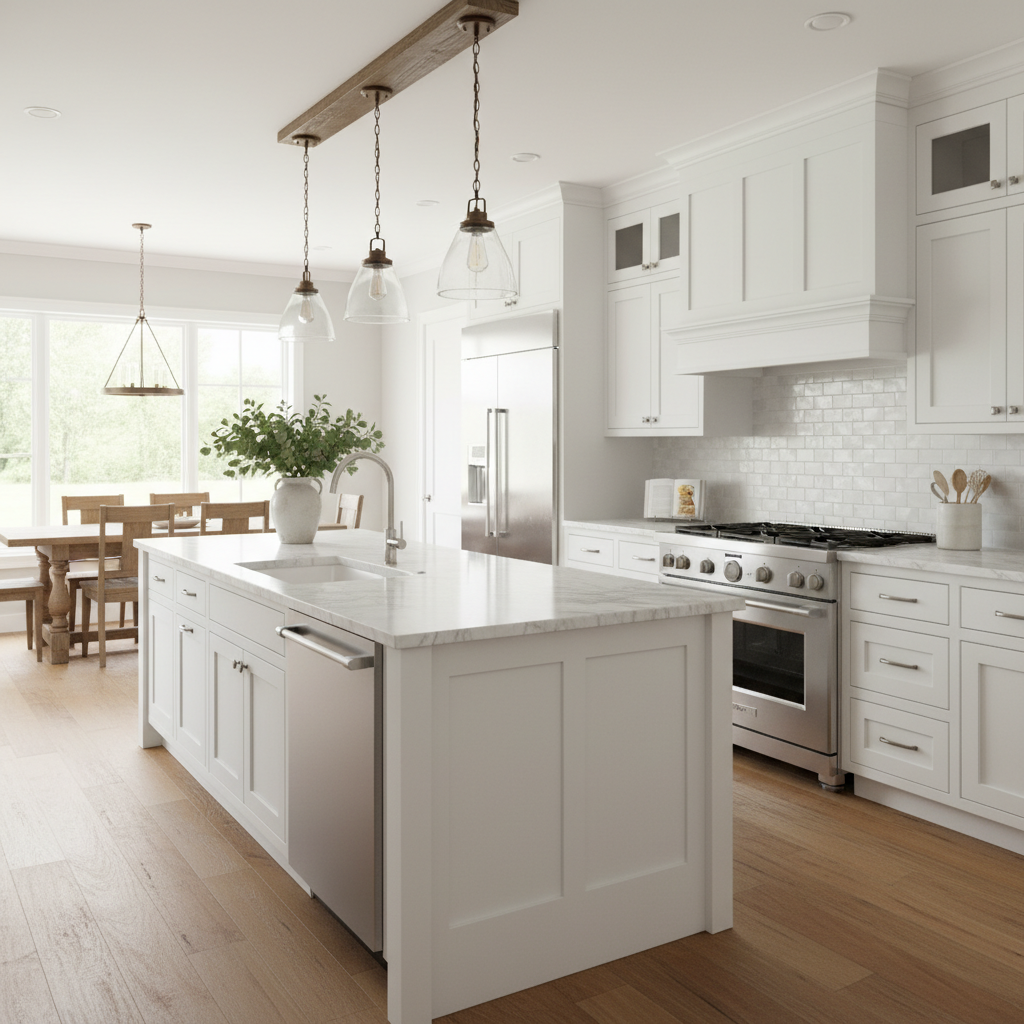

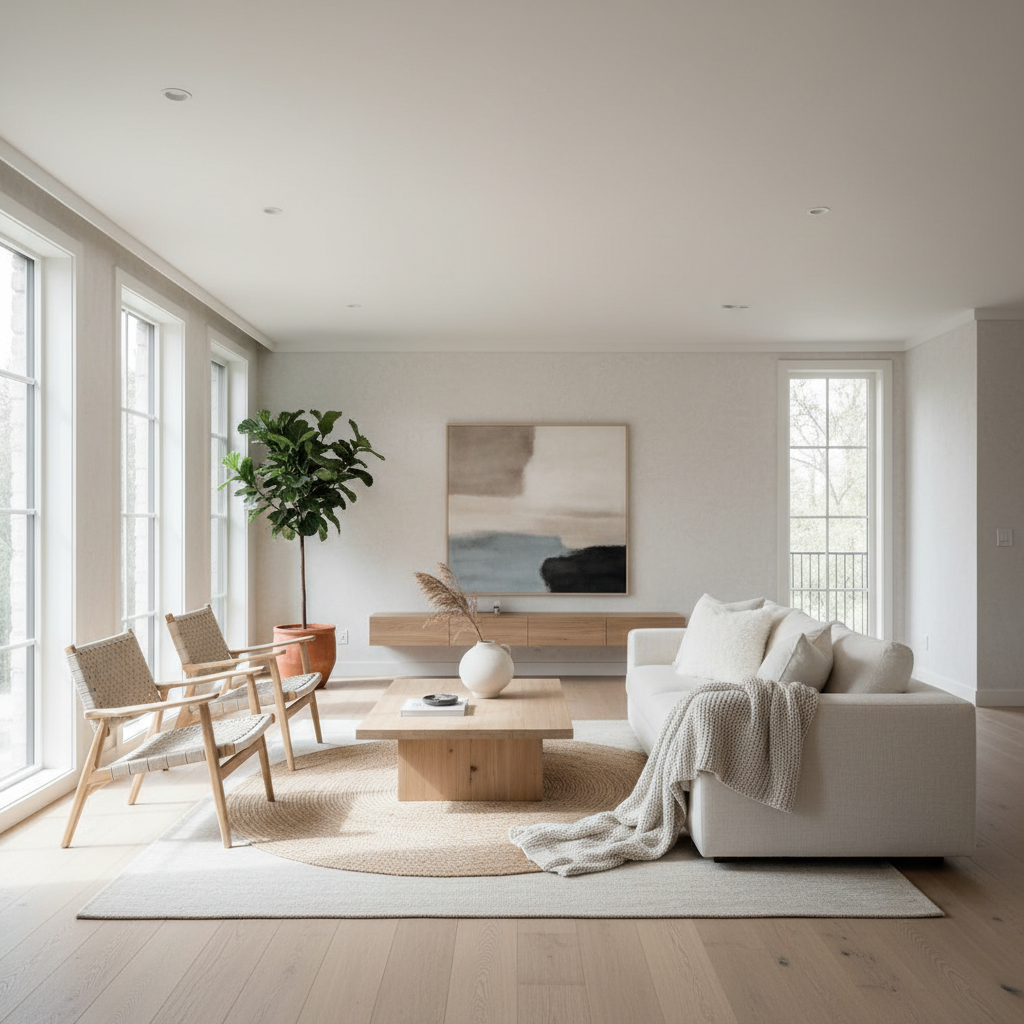
Elevated Farmhouse Style: A Touch of Tailored Warmth
Looking for a home that wraps you in warmth while still feeling polished? Elevated farmhouse style might be exactly what you’re after. This approach takes the cozy, lived-in feel of traditional farmhouse design and gives it a grown-up makeover – think less rooster motifs, more West Elm meets vintage barn.
The beauty lies in the balance. You get the soul-soothing comfort of farmhouse living without feeling like you’re stuck in a country gift shop. It’s about choosing quality over quantity, embracing natural textures, and knowing when to say no to that third mason jar light fixture (yes, I see you).
Here’s what makes elevated farmhouse style work:
- Refined Rustic: Finding the sweet spot between weathered charm and contemporary clean lines that actually work for modern living.
- Neutral Palette Perfection: Using sophisticated whites, creams, and grays as your foundation – colors that won’t make you cringe in five years.
- Texture is Everything: Layering materials like linen, reclaimed wood, and natural stone to create depth that photographs beautifully but feels even better.
- Strategic Modern Touches: Adding contemporary lighting from brands like CB2 or sleek hardware from Amazon that elevates without overwhelming.
- Make it Yours: Weaving in personal pieces and family heirlooms that tell your story, not Pinterest’s version of farmhouse life.
What Defines Elevated Farmhouse Style, and How Does it Differ from Traditional Farmhouse?
Traditional farmhouse decorating often feels like it’s trying a bit too hard. You know the look: distressed everything, mason jars holding everything from flowers to soap dispensers, and enough burlap to outfit a small farm. Elevated farmhouse style takes a step back from all that visual noise.
The elevated approach is more curator than collector. Instead of displaying every vintage find from the local antique mall, you might choose one stunning reclaimed wood console table from Restoration Hardware and let it shine. The color palette shifts from bold reds and blues to sophisticated Benjamin Moore Revere Pewter or Sherwin-Williams Accessible Beige.
This refined version embraces the farmhouse foundation, natural materials, comfortable furniture, and that lived-in feeling, but applies a more discerning eye. Think Pottery Barn rather than Cracker Barrel gift shop. The furniture has cleaner lines, the accessories serve a purpose beyond just looking “farmhouse-y,” and the overall feeling is intentional rather than collected over time.
Getting this balance right means focusing on a few key areas. Your color palette should lean heavily on whites, warm grays, and creamy beiges – colors you can find in Behr’s Whisper White or Benjamin Moore’s Cloud White. These neutrals create a calming backdrop that won’t compete with your furniture or accessories.
For furniture, mix vintage pieces with modern finds. That antique farmhouse table you scored at an estate sale pairs beautifully with sleek dining chairs from Target or IKEA. The contrast creates visual interest without feeling chaotic.
Accessories should earn their place in your space. A few well-chosen pieces – maybe a ceramic vase from CB2, some woven baskets from World Market for storage, or a vintage wooden bowl filled with fresh lemons – will have more impact than a dozen smaller items fighting for attention.
Lighting makes a huge difference too. Skip the mason jar chandeliers and opt for something with cleaner lines. A brushed nickel pendant from Wayfair or matte black sconces from Amazon can give you that modern edge while still feeling warm and welcoming.
The magic happens when everything works together to create a space that feels both comfortable and collected, casual and intentional. It’s farmhouse style that’s grown up and gotten its act together.
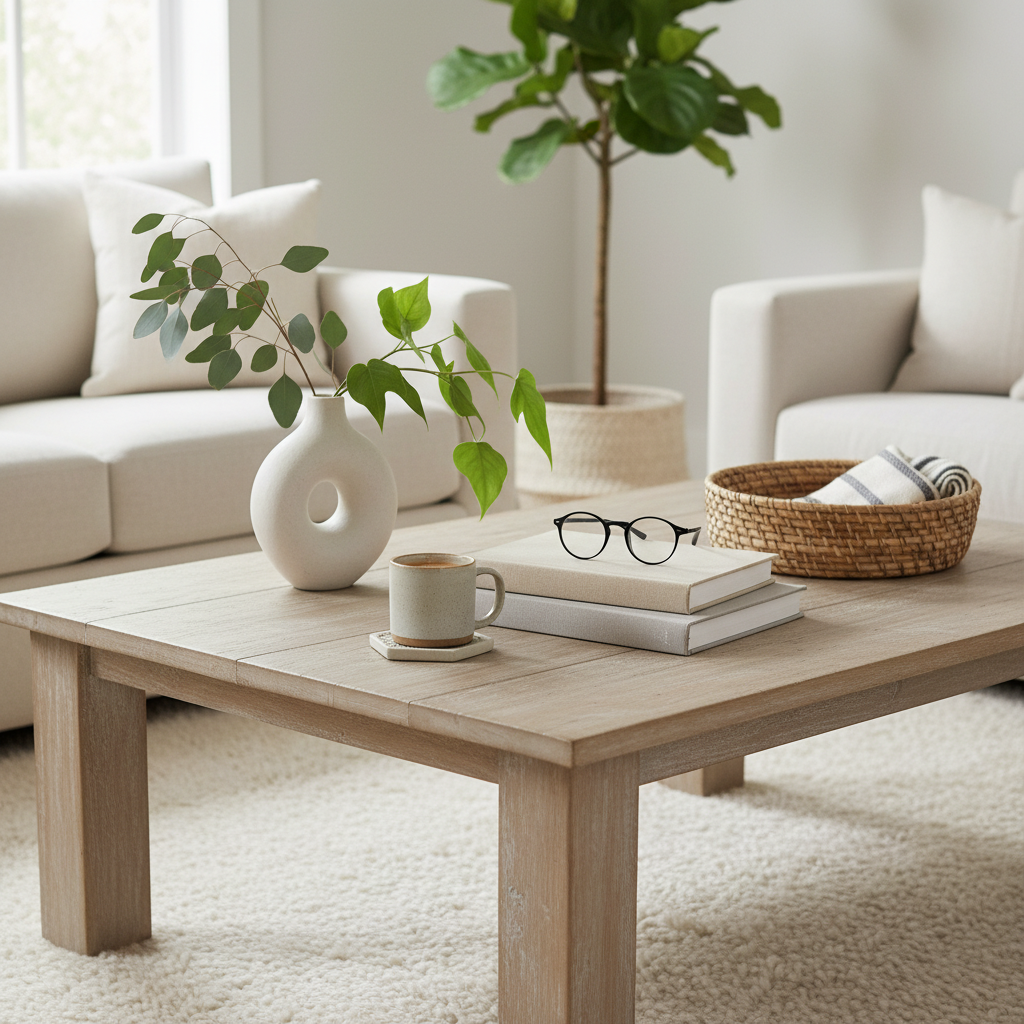
How Can Neutral Colors and Natural Materials Create a Sense of Calm?
There’s something almost magical about walking into a room painted in Benjamin Moore’s Simply White or Behr’s Swiss Coffee. The space immediately feels larger, brighter, and somehow easier to breathe in. Neutral colors don’t just look good – they actually affect how we feel in a space.
Color psychology research consistently shows that whites, creams, and soft grays trigger our relaxation response. These calming color principles also work beautifully in mood-boosting shades throughout your home. These colors remind us of natural elements – clouds, sand, weathered driftwood – which probably explains why they make us feel so grounded. In smaller homes, especially, this palette works overtime to maximize natural light and create that sense of openness that makes cramped quarters feel spacious.
But neutral doesn’t have to mean boring. The trick is layering different shades and tones. You might paint walls in Sherwin-Williams Pure White, add trim in a slightly warmer cream like Benjamin Moore Ivory White, and bring in furniture in soft gray tones. The subtle variations create depth without the visual chaos that comes with multiple bold colors.
Natural materials take this calming effect even further. There’s actual science behind why we feel better surrounded by wood, stone, and natural fibers. These materials connect us to nature, which researchers have found reduces stress hormones and promotes a sense of wellbeing. Wood, especially, brings warmth that painted surfaces just can’t match.
You can incorporate natural wood through reclaimed beams (even faux ones from Home Depot work), hardwood floors, or furniture pieces. A live-edge dining table from West Elm or a vintage oak dresser from Facebook Marketplace instantly adds that organic warmth that makes a house feel like home.
Stone elements – whether it’s a natural stone fireplace surround, marble countertops, or even just a few river rock accessories – add another layer of texture and authenticity. These materials have been shaped by time and weather, bringing that sense of history and permanence into your space.
Natural textiles complete the picture. Linen curtains from IKEA, cotton throw pillows from Target, and wool area rugs from Rugs USA create that tactile comfort. Textile layers are flexible enough to add warmth to any space, from farmhouse kitchens to black room design schemes. Unlike synthetic materials, natural fibers age gracefully, developing character rather than just showing wear.
The Environmental Protection Agency notes that natural materials can actually improve indoor air quality too. Many natural materials are naturally antimicrobial and don’t off-gas the way some synthetic materials do, creating a healthier environment for your family.
To maximize the calming effect, layer different neutral tones rather than sticking to just one shade. Mix textures like smooth painted walls with rough-hewn wood, soft linen with nubby wool. Keep window treatments minimal to let in maximum natural light, and add plants to bring life and fresh air into the mix.
What Role Does Texture Play in Achieving an Elevated Farmhouse Look?
Walk into any beautifully designed room and you’ll notice something immediately, even if you can’t put your finger on it. Texture creates the difference between a space that looks good in photos and one that feels incredible to actually be in. Without varied textures, even the most expensive furniture can feel flat and lifeless.
Texture is what makes you want to run your hand along a reclaimed wood mantle or sink into a chunky knit throw from Pottery Barn. It’s the visual and tactile contrast that keeps your eyes interested and your body comfortable. Interior designers typically recommend incorporating at least three different textures in any room, but the best spaces layer even more.
Think about how different materials catch and reflect light differently. Smooth surfaces like glass or polished stone reflect light cleanly, making spaces feel brighter. Rougher textures like jute rugs or weathered wood absorb light, creating shadows and depth that add visual warmth. Soft textures like velvet or sheepskin invite touch and create cozy spots that draw people in.
In elevated farmhouse design, texture often carries more weight than color or pattern. You might have a mostly neutral room, but layer in a chunky wool throw from Target, some linen pillows from CB2, a jute rug from Rugs USA, and a few woven baskets from World Market, and suddenly the space feels rich and intentional.
Consider how texture works in a typical elevated farmhouse living room. Start with a linen sofa – the natural wrinkles and slightly irregular weave add casual elegance. Layer on some wool throw pillows in cream and gray, add a sheepskin throw draped over one arm. The coffee table might be reclaimed wood with visible grain and weathering, topped with a smooth ceramic vase and some rough-textured coffee table books.
The area rug could be jute or sisal, adding that scratchy, natural texture underfoot that grounds the seating area. Window treatments might be flowing linen curtains that move with the breeze, creating gentle movement and soft shadows throughout the day.
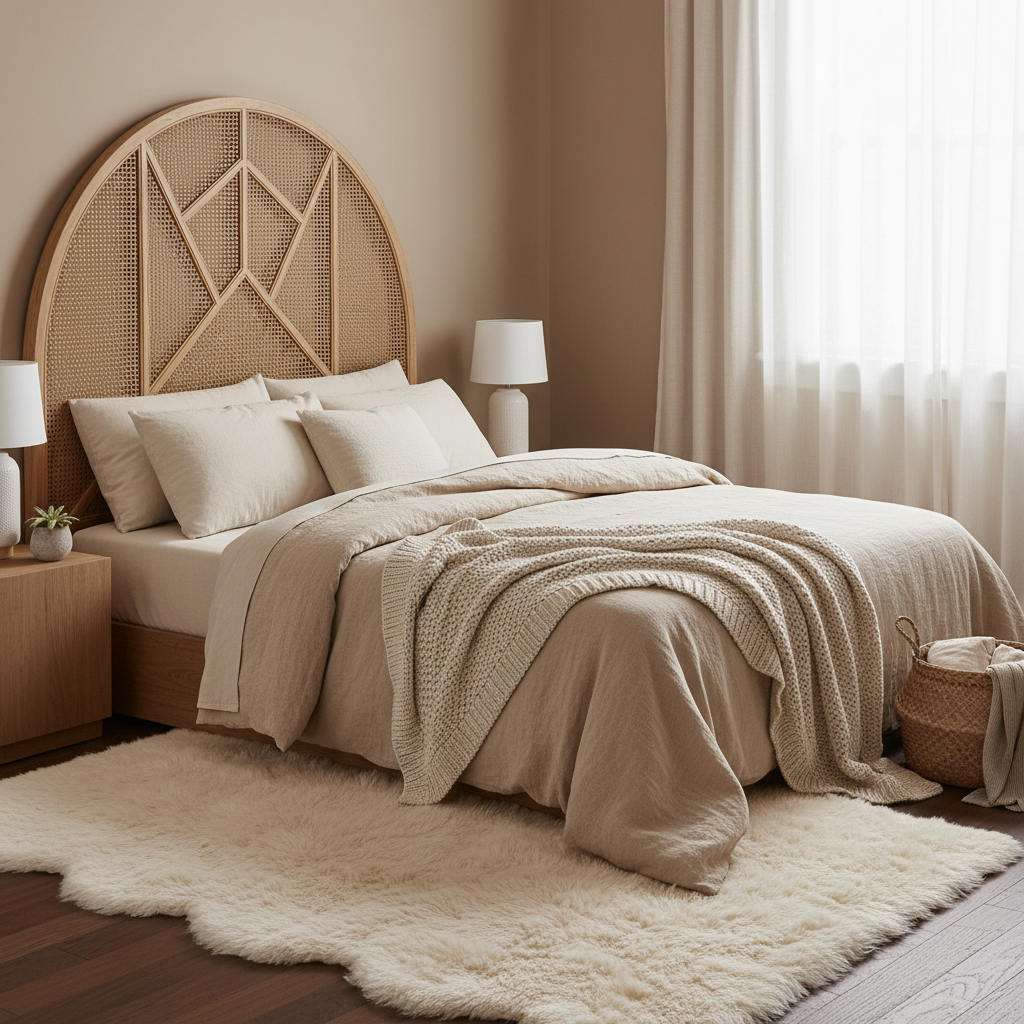
Different rooms call for different texture combinations. In bedrooms, comfort textures take priority, like linen sheets from Target, a quilted coverlet, maybe a chunky knit throw blanket draped at the foot of the bed. A woven headboard adds visual texture without competing for space on the bed itself.
Kitchens offer opportunities for both visual and functional textures. Subway tile backsplashes provide subtle texture and pattern, while butcher block counters from IKEA add warmth and natural variation. Open shelving displays dishes with different textures: smooth ceramic mixing bowls, rough-textured cutting boards, woven placemats.
The key is balancing rough and smooth, soft and hard, matte and shiny. Too much of any one texture feels monotonous, but too many competing textures create visual chaos. Start with your largest surfaces and work down to accessories, making sure you’re creating contrast rather than repetition.
How Can You Incorporate Modern Elements Without Losing the Farmhouse Charm?
The biggest challenge in elevated farmhouse design is probably walking that line between updated and authentic. Add too many modern elements and you lose the cozy, lived-in feeling that makes farmhouse style so appealing. Don’t add enough and your space feels dated rather than timeless.
The secret is focusing your modern updates on the functional elements of your space while preserving the visual character. This means upgrading lighting, hardware, and appliances with sleek, contemporary options that improve how your space works without changing how it feels.
Lighting offers the biggest bang for your buck. Swapping outdated fixtures for modern alternatives can completely transform a room. Instead of those ubiquitous mason jar chandeliers, try a sleek black pendant light from CB2 or brushed nickel sconces from Amazon. These fixtures provide better light distribution and cleaner lines while still feeling warm and approachable.
Kitchen and bathroom hardware is another easy update that makes a huge difference. Traditional farmhouse style often featured ornate or overly rustic hardware that can feel dated. Switching to simple matte black or brushed nickel pulls and knobs from brands like Hickory Hardware or Amazon Basics instantly modernizes the space while staying true to the overall aesthetic.
Appliances present both opportunities and challenges. Stainless steel appliances work well in elevated farmhouse kitchens, but they need to have clean, simple lines rather than lots of decorative elements. A sleek KitchenAid mixer in white or cream fits better than one in bright red, for example. Counter-depth refrigerators create a more built-in, intentional look than standard depth models that protrude into the room.
Smart home technology can be incorporated thoughtfully too. According to a 2023 report from the National Kitchen and Bath Association (NKBA) and CEDIA, 75% of design professionals and integrators reported that homeowners are the primary force driving smart home integration in kitchen projects. The key is choosing options that don’t scream “technology” – like outlets with built-in USB ports, under-cabinet lighting that can be dimmed with an app, or a smart thermostat with a simple, clean design.
Furniture mixing requires a careful eye. The goal is creating intentional contrast rather than accidental mismatch. A vintage farmhouse dining table pairs beautifully with modern dining chairs from West Elm or CB2. The sleek lines of the chairs highlight the rustic character of the table while keeping the overall look current.
Modern artwork can add personality without overwhelming the space. Abstract pieces in neutral tones, black and white photography, or simple line drawings complement the farmhouse aesthetic without competing with it. Frame choices matter too. For example, simple black or natural wood frames work better than ornate gold or silver options.
The proportion matters as much as the pieces themselves. Modern elements should enhance rather than dominate. If you choose a bold modern light fixture, keep other accessories simple. If you go with sleek contemporary dining chairs, balance them with a more traditional table or sideboard.
Technology integration works best when it’s invisible. Hide charging stations inside drawers, choose smart switches that look like regular switches, and opt for wireless speakers that blend into your decor rather than making a statement.