



Want to give your home a fresh new look without maxing out your credit card? You’re not alone. Refreshing your space doesn’t mean you need to gut your entire house or hire an expensive interior designer. Sometimes the most dramatic transformations happen with just a few clever decor on a dime approaches and some creative thinking.
The truth is, decorating on a budget is sort of an art form. It requires you to see potential where others might see junk, to think outside the box, and to get a little creative with what you already own. But here’s the best part – budget decorating often leads to more unique, personalized spaces than anything you could buy straight from a showroom floor.
- Repurpose & Reimagine: Transform everyday items you already own into one-of-a-kind decor pieces that tell your story.
- Thrift Store Treasures: Master the hunt for incredible deals on furniture, artwork, and unique accessories at secondhand shops.
- DIY Wall Art Gallery: Design a personalized gallery wall using affordable prints, family photos, and your own artistic creations.
- Textile Transformations: Discover how new throw pillows, blankets, curtains, and rugs can completely change a room’s personality.
Greenery & Natural Elements: Use plants, flowers, and natural materials to create a fresh, welcoming atmosphere that costs almost nothing.
1. Repurpose & Reimagine: clever decor on a dime through Hidden Potential

This is probably the most satisfying way to decorate on a budget. Start by walking through your house with fresh eyes, really look at what you already have. That wooden ladder collecting dust in your garage? It could become the most interesting bookshelf in your living room. Just lean it against the wall and use those rungs to display everything from vintage books to small potted succulents from Home Depot.
Old suitcases make fantastic side tables. Stack two or three vintage pieces, secure them with leather straps, and top with a piece of glass or wood. You’ve got yourself a conversation starter that probably cost you under twenty dollars. Those mason jars sitting in your pantry can become elegant vases with just some twine wrapped around them or a quick coat of chalk paint from Rust-Oleum.
Wine bottles transform into ambient lighting faster than you’d think. Drop some battery-powered fairy lights from Amazon inside empty bottles and suddenly you have sophisticated mood lighting that would cost fifty dollars at West Elm. Old fabric scraps become coasters, wall art, or even drawer liners. Sometimes the most beautiful interior design solutions are hiding in your junk drawer.
Paint changes everything. That tired dresser in your bedroom could become a statement piece with Benjamin Moore’s Hale Navy or a soft cream like Swiss Coffee. A simple wooden table gets new life with Behr’s chalk paint in Aged Bark. Don’t forget the hardware. Swapping out drawer pulls for brushed gold or matte black versions from Amazon can make a twenty-year-old piece look completely current.
Picture frames make excellent decorative trays once you remove the glass and backing. Line the inside with pretty wrapping paper or fabric, add some small handles from the hardware store, and you’ve got a serving tray that looks like it came from Pottery Barn. Vintage teacups become charming planters for herbs on your kitchen windowsill when you’re creating budget-friendly room makeovers.
The magic happens when you stop seeing objects for what they are and start imagining what they could become. That old colander could be a hanging planter. Those glass jars might work as bathroom storage. Even broken furniture pieces can find a new purpose. Use the drawers from an old dresser as wall-mounted shelves or under-bed storage.
This approach saves money, obviously, but it also creates a home that’s uniquely yours. Every piece has a story, and guests always want to know where you found such interesting things. The answer is usually ‘right under your nose.’
2. Thrift Store Treasures: The Art of the Find

Thrifting is basically treasure hunting for grown-ups. The good stuff is out there, you just need to know how to find it. Successful thrifting requires patience and a willingness to see past the dust and questionable styling choices of previous owners, but it’s one of the easiest ways to find clever decor on a dime.
Hit up Goodwill on weekday mornings when they’re restocking from weekend donations. That’s when you’ll find the best furniture pieces before weekend browsers snatch them up. Estate sales are gold mines, especially in older neighborhoods where people actually owned quality furniture. Facebook Marketplace has become surprisingly good for finding mid-century pieces that people don’t quite know how to value.
Look for solid wood furniture, even if the finish is scratched or the color is completely wrong. A coat of Minwax stain in Dark Walnut can transform a dated pine dresser into something that looks expensive. Vintage mirrors are almost always winners; the more ornate the frame, the better. A can of Rust-Oleum’s metallic spray paint in aged bronze or antique gold makes any mirror frame look like a high-end find.
Don’t ignore artwork just because the subject matter isn’t your style. Those frames might be perfect for your own prints or family photos. Sometimes you’ll find genuine vintage pieces that just need new matting. I’ve seen people find original oil paintings for under ten dollars that would cost hundreds at an antique store.
Bring a tape measure. Seriously. That gorgeous armoire won’t seem like such a steal if it doesn’t fit through your front door. Also bring a phone charger cable to test vintage lamps and electronics. Many thrift stores will let you plug things in to make sure they work.
Check the linens section for vintage tablecloths and curtains. These fabrics often have amazing patterns and quality you can’t find anymore. They make beautiful throw pillows or can be repurposed as wall hangings. Look for anything made of linen or heavy cotton, the kind of fabric that actually gets softer with age.
Ceramics and glassware are usually great deals at thrift stores. Vintage mixing bowls, interesting serving platters, and unique vases add character without breaking the bank. Even if pieces don’t match perfectly, they can work together if they share a similar color palette or style when you’re working on affordable home styling projects.
The best thrifters develop relationships with store employees who can tell them when new merchandise arrives. Some stores have specific days for restocking certain items. It’s worth asking about their schedule, especially if you’re looking for something specific like dining room chairs or a particular style of lamp.
3. DIY Wall Art Gallery: Personalized Creativity
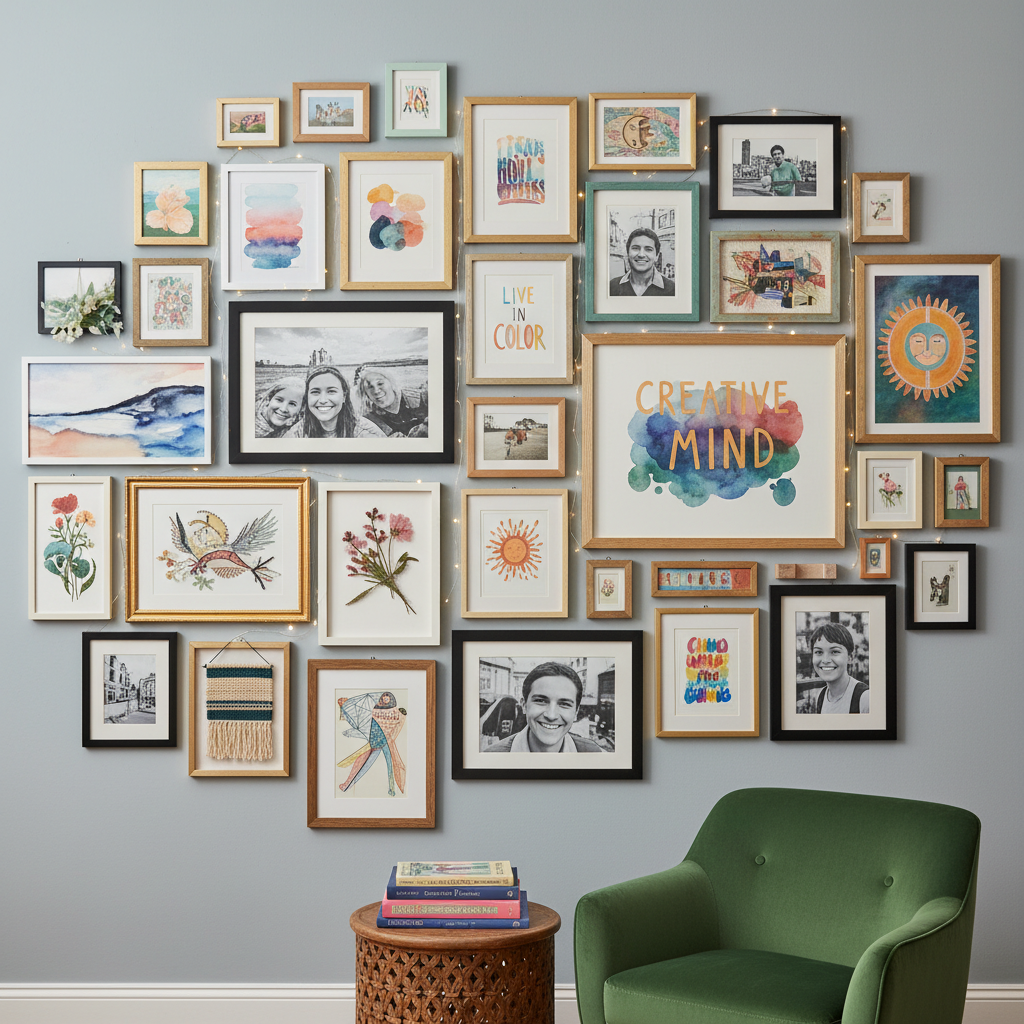
Gallery walls intimidate people, but they really shouldn’t. The most beautiful ones usually happen organically over time, and they definitely don’t require expensive art or professional framing.
Start collecting affordable prints from Etsy sellers who offer digital downloads. You can print an 8×10 for maybe three dollars at Target or CVS, then frame it in a basic black frame from Dollar Tree. Suddenly you have art that looks like it came from a boutique for under ten dollars total. Sites like Desenio and Society6 have sales constantly. I’ve seen beautiful botanical prints for under fifteen dollars including shipping.
Your own photography deserves wall space too. Those vacation photos sitting on your phone could become a beautiful travel gallery. Print them in black and white for a cohesive look, or choose one color that appears in several photos to tie them together. Instagram photos actually print beautifully as 5×5 squares, and they’re cheap to produce in bulk.
DIY artwork doesn’t require art school training. Abstract paintings are forgiving and fun to make. Grab some canvases from Michaels during one of their 50% off sales, some acrylic paint in colors that work with your room, and just experiment. Geometric designs work especially well. Even basic stripes or color blocks can look sophisticated when properly framed.
Pressed flowers and leaves create stunning botanical art. Collect interesting specimens during walks, press them between heavy books for a few weeks, then arrange them on nice paper inside simple frames. It’s free art that changes with the seasons and works perfectly for small space decorating ideas.
Fabric scraps make beautiful framed art too. That gorgeous piece of William Morris wallpaper sample or vintage fabric from the thrift store becomes wall art when mounted on card stock and framed. Embroidery hoops with colorful thread in simple geometric patterns add texture and interest to any wall. Really want to get creative with it? We have a rundown on how to use fabric wall art that will fill you with inspiration.
Before hanging anything, lay everything out on the floor first. This saves your walls from unnecessary nail holes and lets you experiment with arrangements. Start with your largest piece and build around it. Mix frame sizes and styles, but try to maintain some common element. Maybe all the frames are black, or all the matting is white, or there’s a consistent color that appears in several pieces.
Use painter’s tape to mark frame positions on the wall before committing to nail holes. Most artwork should hang at eye level, which is usually around 57 to 60 inches from the floor to the center of the piece. For gallery walls, you can cheat this rule a bit to make the overall arrangement work better when creating inexpensive decorating solutions.
4. Textile Transformations: Instant Room Refresh
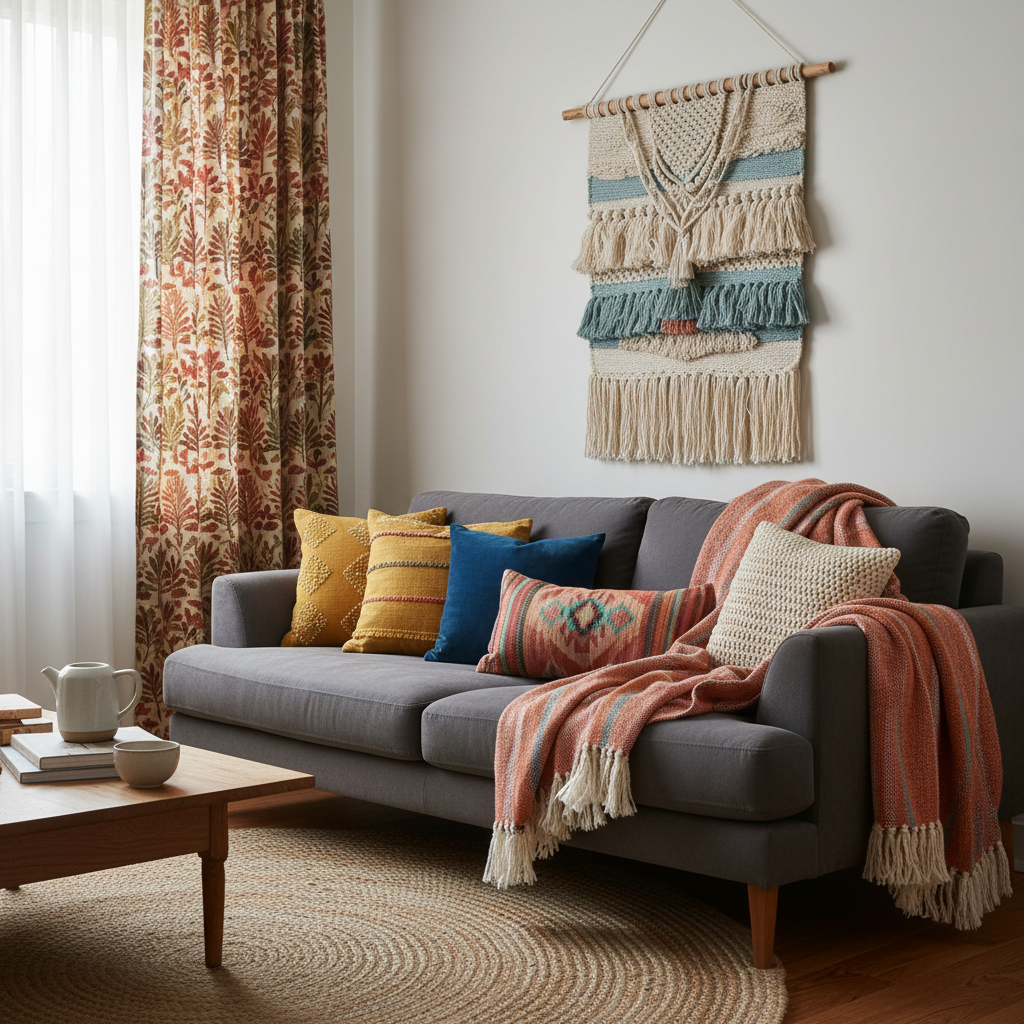
Textiles are probably the fastest way to change a room’s personality without spending serious money. New throw pillows can make a tired sofa feel fresh again, and the right curtains can make your windows look twice as expensive as they actually were.
Throw pillows are your secret weapon. Target’s Threshold line has great options for around twelve to fifteen dollars each, and they change their selection seasonally so your room can evolve too. Mix different textures, too. Try a velvet pillow next to a chunky knit one, or combine a geometric pattern with a solid color in the same family. Odd numbers work better than even ones, so arrange three or five pillows rather than four.
IKEA’s pillow inserts are incredibly affordable, and you can buy just the covers elsewhere for easy seasonal swaps. Etsy has thousands of handmade pillow covers, many under twenty dollars. This approach lets you switch from bright summer colors to cozy fall tones without storing bulky pillows.
Throw blankets add instant coziness. A chunky knit throw from Costco draped over your sofa makes the whole room feel more inviting. Choose colors that complement your existing furniture but add some visual interest. A soft gray sofa looks amazing with a cream cable knit throw, or try a rust-colored blanket for some unexpected warmth.
Curtains can completely change how a room feels. Floor-to-ceiling panels make windows look larger and ceilings higher. Hang them closer to the ceiling than you think you should. Even six inches above the window frame makes a huge difference. IKEA’s linen curtains in white or natural look expensive but cost under thirty dollars per panel.
For rental properties where you can’t change much, removable wallpaper or peel-and-stick tiles can add pattern and personality. They come off cleanly when you move, but they can transform a boring bathroom or add an accent wall to a bedroom using easy home decorating tips.
Rugs anchor spaces and define seating areas. A well-placed area rug can make a large room feel cozy or help a small room feel more organized. The 8×10 size works for most living rooms, and you can find good options at HomeGoods or Walmart for under 150 dollars. Layer smaller rugs over larger ones for a collected-over-time look that’s very current.
Don’t underestimate the power of changing your bedding. New sheets in a different color or a duvet cover with an interesting pattern can make your bedroom feel like a completely different space. Wayfair has frequent sales on bedding sets, and even basic white sheets feel luxurious if they’re good quality cotton.
Seasonal textile swaps keep your home feeling fresh year-round. Store lighter fabrics during winter and bring out the cozy textures when temperatures drop. This approach is much more affordable than redecorating entirely, and it keeps your space feeling current and intentional.
5. Greenery & Natural Elements: Bringing the Outdoors In
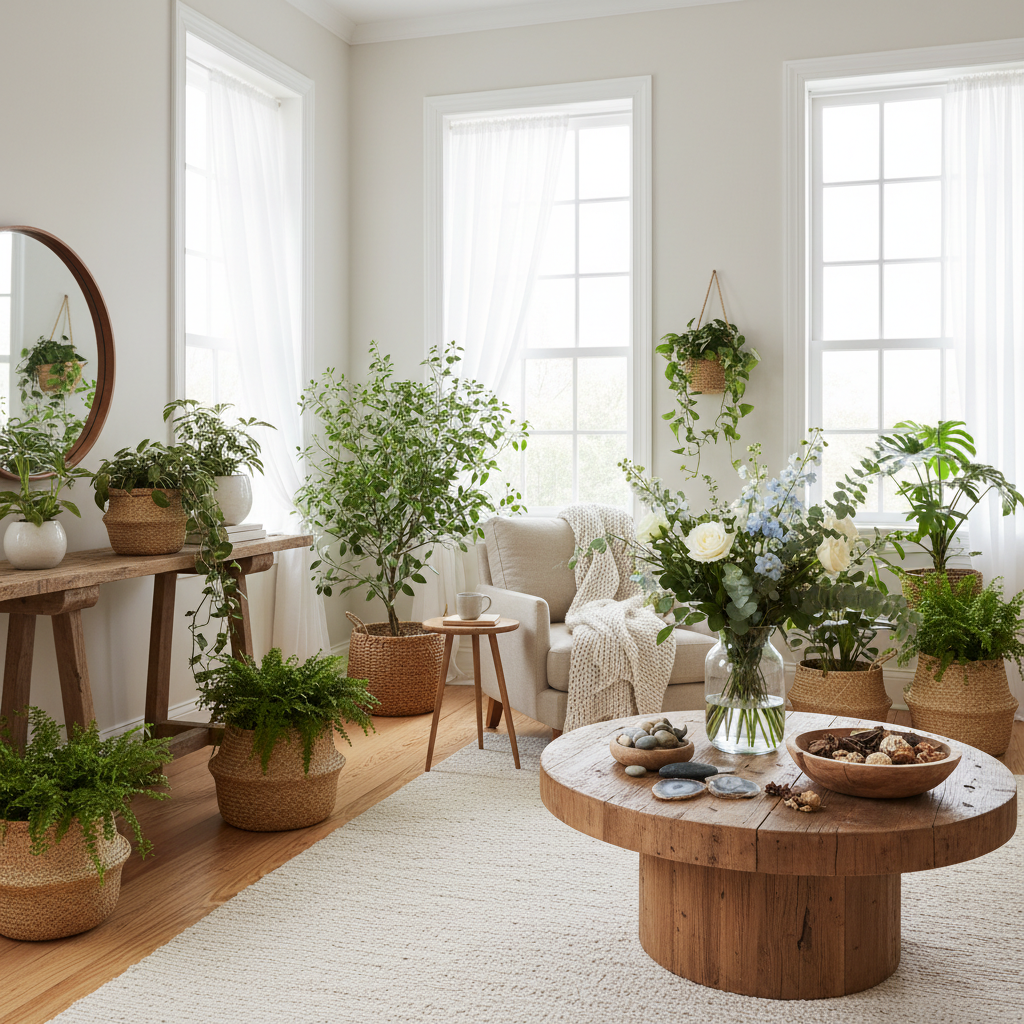
Plants are the most affordable way to add life and color to any room. They clean your air, boost your mood, and make everything feel more alive. The best part? Many plants are incredibly forgiving, even if you don’t have the greenest thumb.
Start with foolproof options like snake plants or ZZ plants from Home Depot. These guys can handle low light and irregular watering, which makes them perfect for beginners. Pothos are practically indestructible and grow quickly, so you’ll see results fast. Spider plants are wonderful because they produce babies you can propagate and share with friends or use in other rooms.
Succulents look modern and require minimal care, but they do need bright light. Group different varieties together in interesting containers for maximum impact. Those cute little 2-inch pots at Lowe’s are usually under five dollars each, and they look great clustered together on a windowsill or coffee table.
Fresh flowers don’t have to be expensive. Grocery store bouquets for around eight dollars can be separated into several smaller arrangements throughout your home. Trader Joe’s has beautiful seasonal flowers that last longer than you’d expect. Even better, forage from your own yard if you have flowering trees or interesting branches.
Dried flowers and grasses add texture without the maintenance. You can dry your own by hanging fresh flowers upside down in a dark, dry place for a few weeks. Pampas grass from your yard becomes trendy decor when arranged in a tall vase. Even dried branches can look sculptural in the right container.
Natural elements like smooth river rocks in a wooden bowl add organic texture to coffee tables or shelves. Collect interesting stones during beach or hiking trips, and they can become meaningful decorative accents that remind you of good times. Driftwood pieces can become sculptural elements or even simple shelving with the right brackets.
Wooden bowls and cutting boards displayed on open shelving add warmth to kitchens. Thrift stores usually have great vintage wooden pieces that just need a little conditioning with mineral oil to look amazing again. Layer different sizes and wood tones for visual interest.
Consider the scale and proportion of your natural elements. One large plant often looks better than several small ones scattered around. Group plants of different heights together for a more intentional look. Use plant stands or stack books under pots to create varying levels when implementing low-cost home improvement ideas.
Don’t forget about herbs on your kitchen windowsill. Basil, rosemary, and mint are easy to grow, smell amazing, and you’ll actually use them in cooking. They’re basically functional decor that costs maybe three dollars per plant at the farmers market.
Window boxes work even in apartments if your lease allows them. Fill them with trailing plants like ivy or seasonal flowers. They make your windows look bigger from both inside and outside your home.
Frequently Asked Questions
Q: How do I start decorating on a budget when I feel overwhelmed by all the options?
A: Pick one corner of one room and focus just on that space for now. Maybe it’s your bedside table or a bookshelf that needs some attention. Clear everything off, give it a good cleaning, then add back only the things you really love. Add one new element like a small plant from the grocery store or a framed photo you’ve been meaning to display. This approach prevents you from spending money on impulse purchases and lets you see immediate results, which usually motivates you to tackle the next small area. Small wins build confidence and help you develop your decorating style without the pressure of transforming an entire room at once.
Q: Where should I look for the best deals on home decor items?
A: Thrift stores and estate sales are goldmines, especially in neighborhoods with older homes where people owned quality pieces. Facebook Marketplace has become surprisingly good for finding furniture that people are selling because they’re moving or downsizing. For new items, Target’s clearance sections change frequently and often have great deals on seasonal decor. HomeGoods is hit-or-miss but worth checking regularly since their inventory changes constantly. Dollar stores have improved significantly and now carry decent frames, vases, and basic decor items. Walmart’s home section online has better selection than their stores and frequent sales. IKEA obviously offers good value, but also check discount retailers like Big Lots and Tuesday Morning for name-brand items at reduced prices.
Q: What are some beginner-friendly DIY projects that make the biggest visual impact?
A: Painting furniture is probably the most dramatic change for the least money. A single can of paint for around thirty dollars can completely transform a dresser or table. Creating a gallery wall with your own photos and affordable prints gives you a custom look that would cost hundreds from a decorator. Making your own throw pillow covers is easier than you think and lets you get exactly the colors and patterns you want for your space. Repurposing items you already own often creates the most interesting pieces. Grab that old ladder you weren’t using and it becomes a bookshelf. Wine bottles become vases, mason jars become bathroom storage. We’re big fans of DIY projects to save money, and recommend it whenever it applies to your situation. These projects don’t require advanced skills, but they create conversation pieces that reflect your personality rather than looking like everyone else’s home.
