



Thinking about redecorating your living room? Blue is a classic choice that offers versatility and a sense of calm. But is a blue living room the right choice for *you*? The answer is probably yes, with the right approach. Let’s explore how to create a stunning blue living room that perfectly reflects your style.
- Versatile Palette: Blue offers a spectrum of shades, from calming light blues to sophisticated navy, fitting various design styles.
- Mood Enhancement: Blue is known for its calming and serene qualities, making your living room a relaxing haven.
- Design Flexibility: Blue complements a wide range of colors and materials, making it easy to create a cohesive and personalized space.
- Timeless Appeal: Blue is a classic color choice that remains stylish and sophisticated over time.
What Shade of Blue Should I Choose for My Living Room?
Choosing the right shade of blue is crucial for creating the desired atmosphere in your living room. The color you pick sets the tone for the entire space. Think about the existing elements in your living room, the amount of natural light it receives, and the overall style you want to achieve.
The world of blue is vast, and each shade evokes a different feeling. Light blues like sky blue or powder blue create an airy and peaceful ambiance, perfect for smaller spaces or rooms with limited natural light. According to color psychology studies, lighter blues are often associated with tranquility and serenity, promoting relaxation. On the other hand, deeper blues like navy or indigo offer a more sophisticated and dramatic look. Navy, in particular, has seen a surge in popularity in recent years, often used as a neutral alternative to gray or beige. It provides a grounding effect and can be paired with brighter accent colors for a striking contrast.
Consider the style of your home and the existing furniture. If you have a coastal-themed home, lighter, airy blues will complement the aesthetic beautifully. For a more modern or contemporary space, deeper blues or even bolder shades like turquoise or teal can add a touch of personality and sophistication. Don’t be afraid to experiment with different shades to find the perfect hue that resonates with your personal style. You could even use a color visualizer tool online to see how different shades of blue look in a simulated living room setting. Remember, the best shade of blue is the one that makes you feel most comfortable and at home in your living room.
How Can I Incorporate Blue Without Painting the Walls?
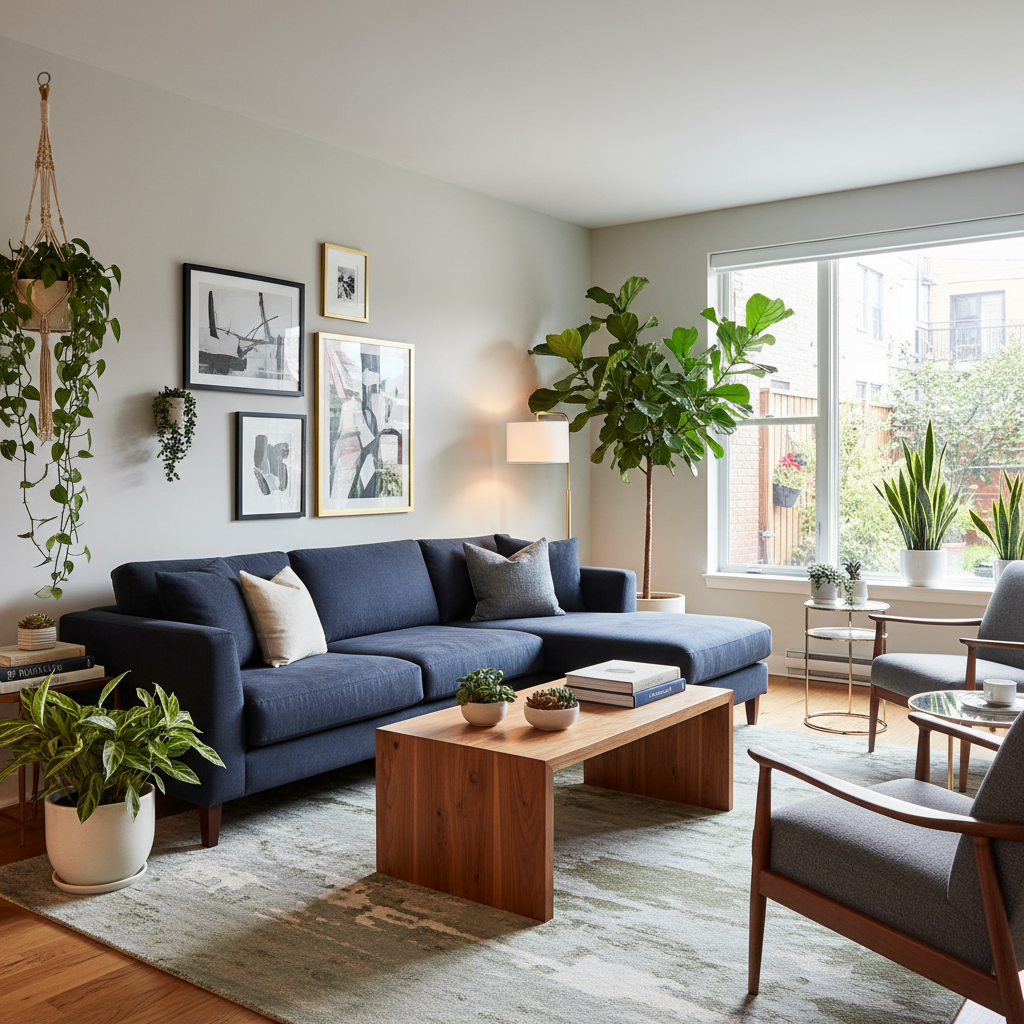
If you’re hesitant to commit to blue walls, there are plenty of other ways to incorporate this versatile color into your living room decor. Using furniture, textiles, and accessories is a great way to add blue without a major commitment. This approach also allows you to easily change up the look of your room as your tastes evolve.
One popular option is to invest in a blue sofa or sectional. A blue sofa can serve as the focal point of the room, adding a pop of color and creating a sense of sophistication. Pair your blue sofa with neutral-colored walls and rugs to create a balanced and harmonious space. Alternatively, you can introduce blue through smaller pieces of furniture, such as armchairs, ottomans, or coffee tables.
Textiles are another excellent way to incorporate blue into your living room. Think about adding blue throw pillows, blankets, curtains, or rugs. These elements can add texture and depth to the room while also introducing different shades and patterns of blue. Consider using a combination of solid blue fabrics and patterned fabrics to create visual interest. For instance, you could pair a navy blue sofa with throw pillows in various shades of blue and white. Accessories are the finishing touches that can tie the entire room together. Blue vases, artwork, lamps, and decorative objects can add subtle pops of color and personality. Consider grouping accessories of varying heights and textures to create an interesting display. Even small details, like blue candles or picture frames, can make a big impact.
What Colors Complement Blue in a Living Room?
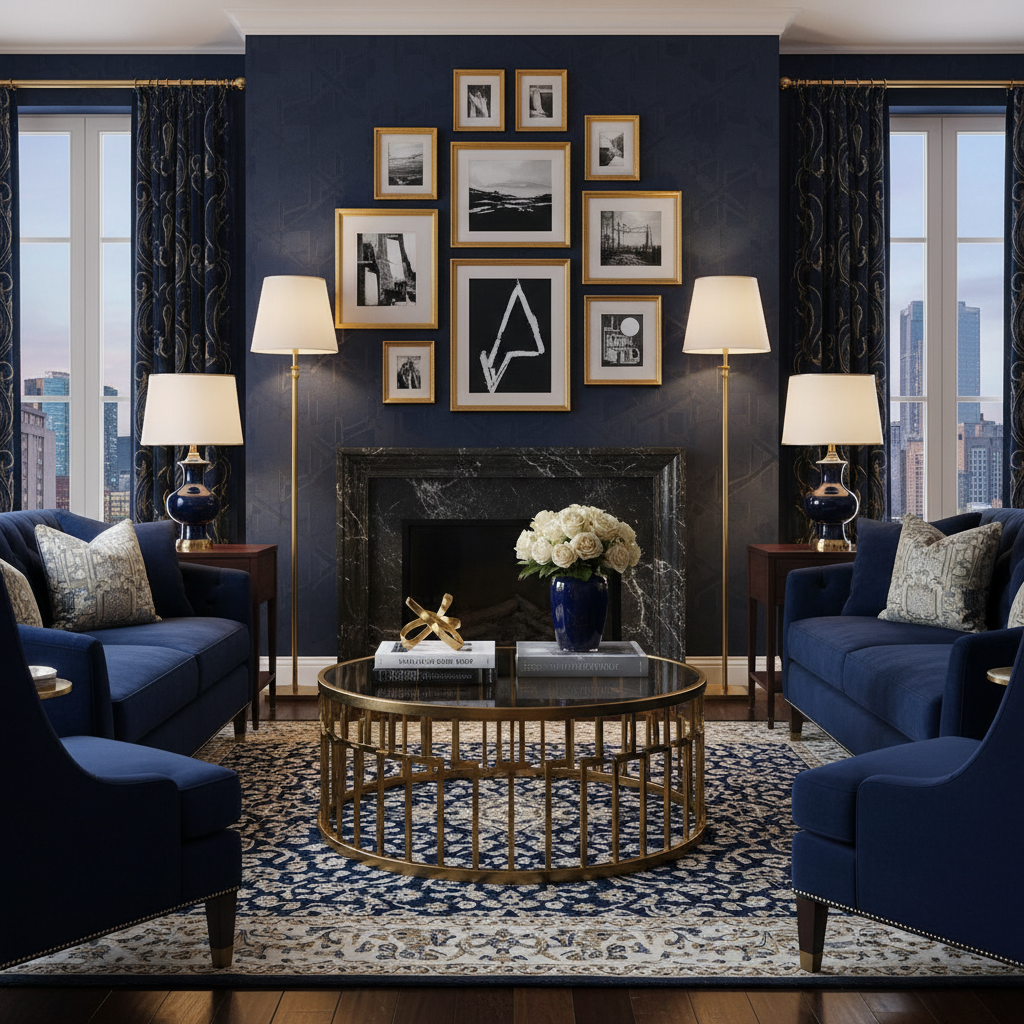
Blue is a versatile color that pairs well with a wide range of hues, offering endless possibilities for creating a stunning living room. The key is to understand how different colors interact with blue and to choose complementary colors that enhance the overall aesthetic.
One of the most classic and timeless pairings is blue and white. This combination creates a fresh, clean, and airy look, perfect for coastal-themed homes or anyone who appreciates a bright and inviting space. According to interior design experts, blue and white is also a great choice for smaller living rooms, as it can help to make the space feel larger and more open. For a more sophisticated and elegant look, consider pairing blue with gray. This combination creates a calming and serene atmosphere, perfect for relaxation. Gray provides a neutral backdrop that allows the blue to really shine. Add pops of white and silver for a touch of glamour.
If you’re looking to add warmth and energy to your blue living room, consider incorporating yellow or gold accents. These colors create a vibrant and cheerful atmosphere. According to color theory, yellow is the complementary color of blue, meaning that they create a visually striking contrast when paired together. Gold accents, such as picture frames or lamps, can add a touch of luxury and sophistication. For a more earthy and organic feel, consider pairing blue with brown or beige. This combination creates a cozy and inviting atmosphere. Use natural materials like wood, leather, and jute to enhance the earthy feel. For a bolder and more dramatic look, consider pairing blue with orange or red. These colors create a high-contrast combination that is sure to make a statement. However, it’s important to use these colors sparingly to avoid overwhelming the space.
What Design Styles Work Well with Blue Living Room Decor?

Blue is a versatile color that seamlessly integrates into a multitude of design styles, making it a popular choice for living room decor. Whether you prefer a classic, modern, or eclectic look, blue can be incorporated to create a space that reflects your personal style.
For a classic and timeless look, consider a traditional design style with navy blue walls, white trim, and antique furniture. This combination creates a sophisticated and elegant atmosphere. Add touches of brass or gold for a touch of glamour. Coastal style living rooms often feature light blue walls, white furniture, and natural textures like jute and rattan. This combination creates a fresh and airy atmosphere. Incorporate seashells, nautical artwork, and driftwood accents to enhance the coastal theme. For a modern and minimalist look, consider using a single shade of blue on the walls and keeping the furniture simple and streamlined. According to recent interior design trends, minimalist design is gaining traction due to its decluttered and calming nature.
If you prefer a more eclectic look, don’t be afraid to mix and match different shades of blue with other colors and patterns. This approach allows you to create a unique and personalized space. Consider using a bold blue wallpaper with a mix of vintage and modern furniture. For a bohemian-inspired living room, incorporate deep blue hues with natural materials like wood, leather, and macrame. Add plenty of plants and colorful textiles to create a cozy and inviting atmosphere. No matter what your personal style is, blue can be incorporated into your living room decor to create a space that you love. Experiment with different shades, textures, and patterns to find the perfect combination that reflects your personality.
Frequently Asked Questions
Q: Is blue a good color for a small living room?
A: Absolutely! Lighter shades of blue, like sky blue or powder blue, can actually make a small living room feel larger and more open. These colors reflect light and create an airy atmosphere. Avoid using very dark blues in small spaces, as they can make the room feel cramped and enclosed. If you love a darker shade, use it sparingly as an accent color or on a single feature wall. Combine lighter blues with plenty of white or other light neutrals to maximize the sense of space.
Q: How do I prevent my blue living room from feeling too cold?
A:To warm up a blue living room, incorporate warm-toned accents like yellows, golds, oranges, or reds. These colors will create a visual balance and prevent the space from feeling too sterile. Use warm-toned metals like brass or copper in your lighting fixtures and accessories. Introduce natural textures like wood, leather, and wool to add warmth and depth. Add plenty of soft textiles, such as throw blankets and pillows, to create a cozy and inviting atmosphere.
Q: What are some popular blue living room trends right now?
A: Currently, navy blue is a very popular choice for living room walls and furniture, often used as a sophisticated alternative to gray. Another trend is incorporating blue-green hues like teal or turquoise for a pop of color. Using blue in textured fabrics like velvet or linen is also trending, adding depth and visual interest. Finally, pairing blue with natural elements like wood and plants is a popular way to create a calming and organic feel.
