



Your living room probably looks fine. That word again. Fine.
But scrolling through those impossibly gorgeous design accounts makes you realize fine isn’t really cutting it anymore. You want some of that shimmer, that drama, that makes-you-feel-fancy-drinking-coffee-in-your-pajamas energy.
Adding serious glamour doesn’t require gutting your space or winning the lottery. It’s about choosing a few opulent home accents that catch light and create moments. The stuff that makes guests pause in your doorway and wonder if you’ve been hiding some secret design budget.
Real crystal that splits sunlight into tiny rainbows. Mirrors that double everything beautiful in your room. Metallic threads woven into fabric that shift color when you walk past. Lighting that does way more than just illuminate. Gold leaf that brings that old-world richness without the old-world stuffiness.
Some of this costs more than Target prices. Some you can find at estate sales for twenty bucks. The difference is knowing what actually works versus what just looks expensive in photos.
1. Statement Lighting: Beyond Basic Illumination
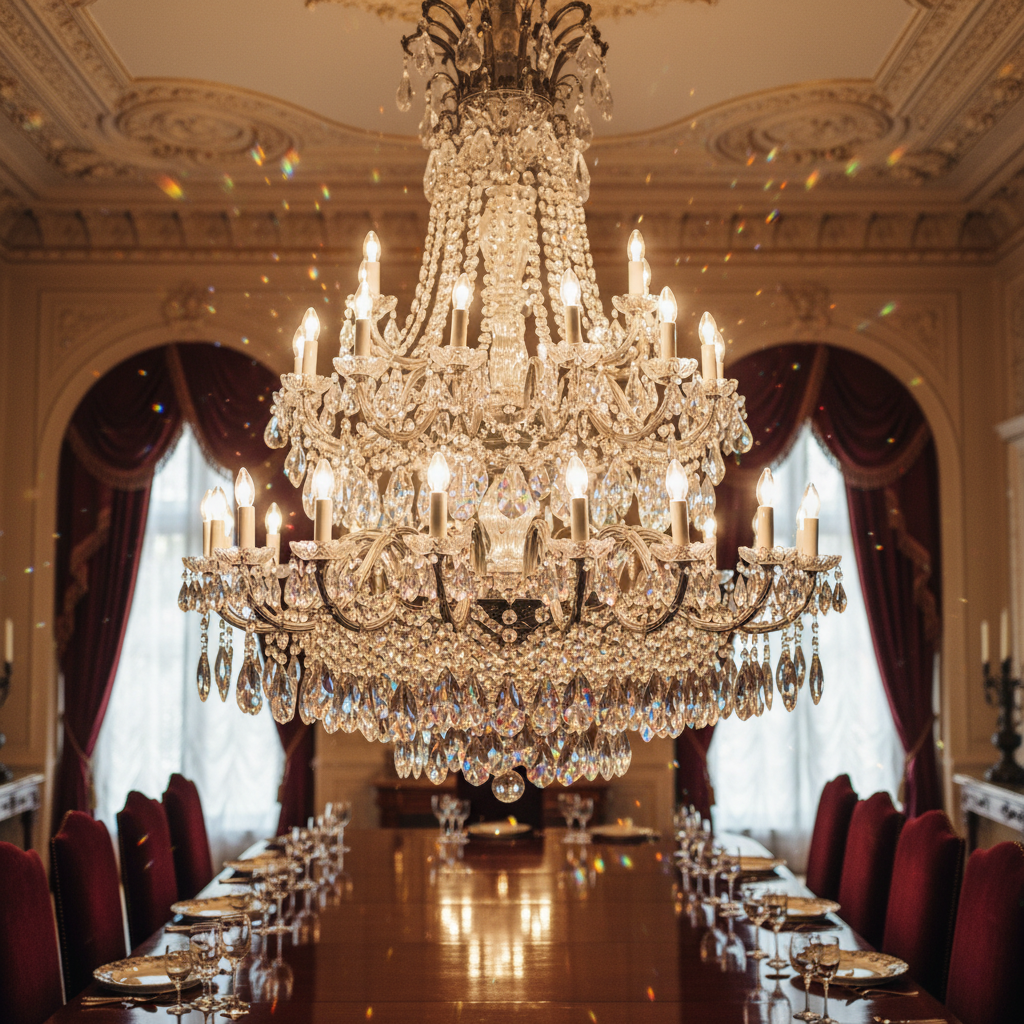
Lighting changes everything about how a room feels. Not just brighter or darker, but fundamentally different. A crystal chandelier makes Tuesday night takeout feel like an occasion.
The traditional tiered chandeliers your grandmother had aren’t your only option anymore. West Elm carries geometric crystal fixtures that look more like art installations, around $400-800. CB2 has some surprisingly modern interpretations that work in contemporary spaces. Estate sales are goldmines for vintage pieces from the 70s and 80s that just need rewiring – often under $200 if you’re patient.
Scale will make or break you here. A delicate chandelier in a big dining room looks apologetic and lost. A massive fixture in a small space feels like it’s trying to escape through the ceiling. Most dining room chandeliers should hang 30-36 inches above your table surface. When choosing luxury lighting fixtures for dining rooms, measure twice, order once, cry never.
Floor lamps can create just as much impact for way less commitment. That brass arc floor lamp from Target’s Project 62 line gets copied constantly because it works so well. Around $150, and it instantly makes your living room look more expensive. The brass develops this nice patina over time too, which beats the forever-shiny look of cheap gold paint.
Table lamps with interesting bases work especially well in pairs. Two matching lamps with brushed gold or crystal bases on a console table create sophisticated symmetry. Interior design professionals often use this approach to elevate room aesthetics without overspending. Lamps Plus has hundreds of options, though their website photography makes everything look very chain hotel. In person, the materials are usually nicer than their photos suggest.
Dimmer switches are criminally underrated. Twenty dollars and basic electrical skills can make any light fixture infinitely more versatile. Harsh overhead lighting kills ambiance instantly, but the same fixture on a dimmer creates actual mood.
Crystal beads and prisms catch light differently throughout the day. Morning sun through a crystal chandelier throws rainbows on your walls. Evening lamplight creates warm sparkles. It’s like having different fixtures depending on the time of day.
2. Mirrored Furniture: Doubling Your Style

Mirrored furniture gets dismissed as too flashy, but that’s usually because people go overboard. One mirrored piece per room is plenty. Two if your room is large and they’re not fighting each other for attention.
Coffee tables are perfect for testing mirrored furniture waters. Pottery Barn’s Valentina mirrored coffee table runs about $600, but nearly identical versions show up at HomeGoods for $200-300. The difference is usually in the edge beveling – better pieces have more detailed beveled edges that catch light beautifully.
Console tables really showcase what mirrored furniture can do. A mirrored console in your entryway reflects whatever light comes through the front door, instantly making the space feel twice as bright. This furniture arrangement strategy works particularly well in narrow hallways or small entryways. Plus, you can’t see the inevitable pile of mail and keys from most angles, which is honestly half the appeal.
Nightstands are another safe bet for adding decorative accents to bedrooms. Two matching mirrored nightstands create that boutique hotel vibe without overwhelming your room. The reflective surfaces bounce bedside lamp light around the space, which is particularly nice for reading in bed.
Quality differences in mirrored furniture are immediately obvious. Cheap pieces often have that funhouse mirror effect where reflections look wavy and distorted. The glass isn’t perfectly flat, so your beautiful room looks weird and bent. Worth spending extra for clean, clear mirrors that actually reflect properly.
When creating elegant bedroom decor on a budget, cleaning mirrored furniture becomes part of your routine whether you like it or not. Every fingerprint, water ring, and dust speck shows up immediately. Windex works fine but streaks if you’re not careful. Microfiber cloths are essential. Consider this maintenance requirement before buying – mirrored pieces need more attention than regular furniture.
The payoff is significant though. Mirrored furniture reflects everything beautiful in your room while making the space feel larger and brighter. Just don’t expect low-maintenance furniture.
3. Metallic Textiles: Subtle Shimmer That Actually Works
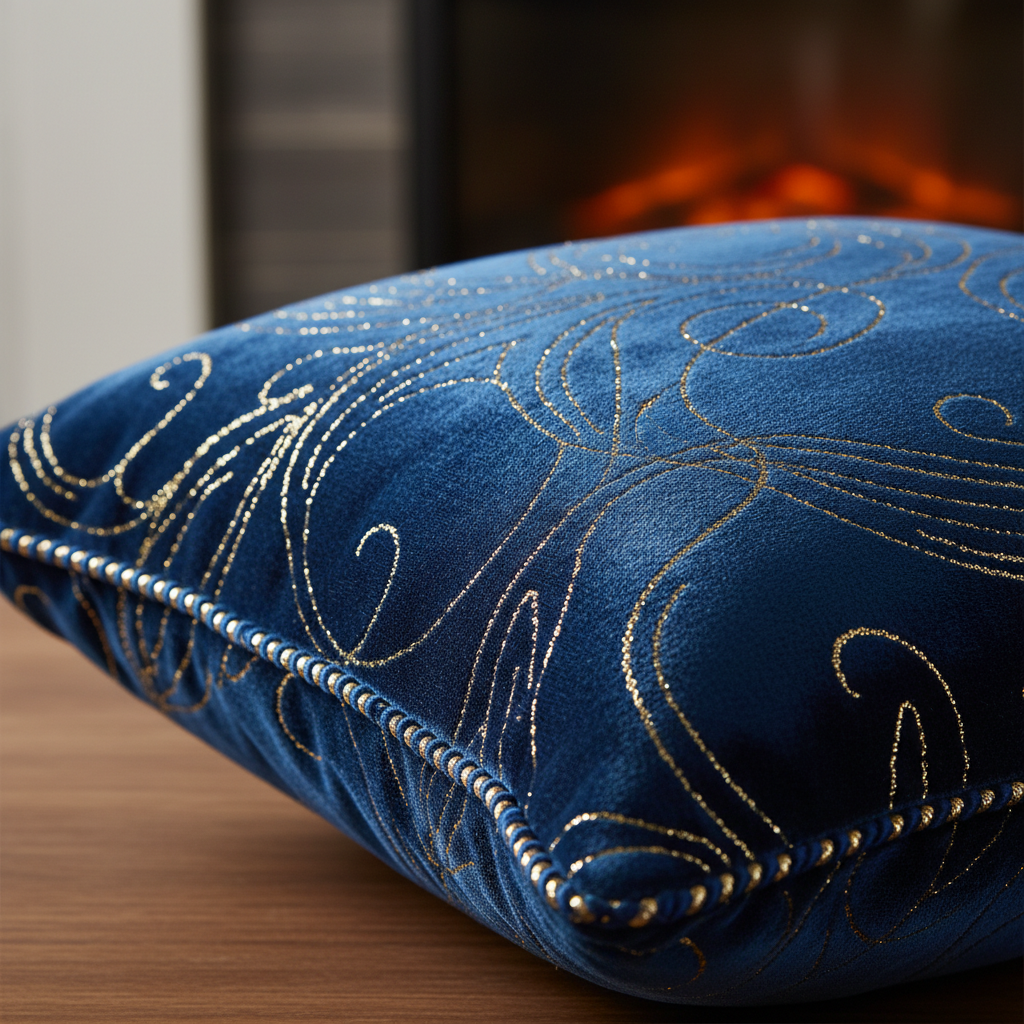
Real metallic thread feels completely different from that shiny polyester stuff that looks like Christmas wrapping paper. The difference matters – actual gold or silver threads woven into cotton or velvet create depth and movement instead of just surface shine.
Throw pillows are the obvious place to start experimenting. Pottery Barn’s velvet pillows with metallic threading cost around $40-60 each, which feels steep for pillows until you touch them. The metallic threads are silk wrapped around metal, so they catch light differently depending on your viewing angle. They last for years too.
Curtains with metallic threads can transform an entire room, though they’re trickier to get right. Too much shimmer and your living room starts looking like a nightclub VIP area. The sweet spot is fabric where metallic threads make up maybe 10-15% of the weave. Ikea’s higher-end collections sometimes have surprisingly nice options.
Upholstery fabric with metallic threads looks gorgeous in showrooms but can be impractical for daily use. The metal threads can pull and snag with regular wear. Better to save this for accent chairs that don’t get daily abuse, or stick to decorative pillows where you control the contact.
Table runners and placemats with subtle metallic weaving work well for special occasions. Williams Sonoma carries linen versions with gold threads that make your regular dinnerware look more formal. Around $30-50 for a table runner, which seems expensive until you see how much difference it makes for dinner parties.
The key with any metallic textile is balancing it against matte textures. A shimmery pillow on a cotton sofa works beautifully. Shimmery pillows on leather furniture with metallic lamps and mirrored tables becomes too much. Your eye needs places to rest between all the sparkle. This approach to home styling helps maintain visual balance while adding sophistication.
Quality metallic textiles age well. The threads develop a subtle patina that looks richer than brand-new shine. Cheap metallic fabrics tend to look tarnished and tired after a few months.
4. Crystal and Glass Accents: Light-Catching Details

Real crystal versus glass-that-looks-like-crystal is one of those things you can’t tell from online photos but becomes obvious the moment you pick it up. Lead crystal has weight and clarity that regular glass just doesn’t match. It also costs significantly more, so decide what matters to your budget and your space.
Waterford is still the gold standard, but their vases start around $200 and climb quickly. Baccarat makes you question your financial priorities. For everyday luxury, Lenox crystal delivers about 80% of the impact for 40% of the cost. Their pieces run $60-120 and actually hold up to regular use.
Thrift stores can be goldmines for crystal, though you need to know what to look for. Check the base for manufacturer marks – Waterford pieces are almost always signed. Older Fostoria and Heisey pieces show up regularly and can be stunning. Just inspect carefully for chips or cracks because crystal shows every flaw.
Small crystal bowls work well scattered throughout a room for adding sparkle without overwhelming the space. One on your coffee table for decorative objects. Another on a dresser for jewelry or loose change. The light-catching effect builds – several small pieces create more overall shimmer than one large showpiece.
Crystal candlesticks multiply candlelight beautifully, throwing tiny prisms around the room when flames flicker. Crate & Barrel has simple crystal tapers for around $25 each. Buy them in pairs or sets of four for maximum impact during dinner parties.
Placement makes all the difference with crystal pieces. Near windows, they catch natural light during the day and throw rainbows when the sun hits right. Near table lamps, they sparkle in evening light. Tucked in dark corners, they just look like expensive dust collectors. Think about light sources when deciding where to display crystal.
Vintage crystal often has more character than new pieces. The slight imperfections and variations in older handmade crystal create more interesting light patterns than perfectly uniform modern manufacturing.
5. Gilded Decor Elements: Opulent Home Accents with the Midas Touch

Real gold leaf versus gold paint becomes obvious once you know what you’re looking at. Gold leaf has depth and variation – it catches light irregularly, creating subtle shadows and highlights that shift as you move around the piece. Gold paint sits flat and uniform even when it’s trying to look handmade.
Picture frames are the easiest way to test gilded waters. Antique stores often have frames from the 1920s through 1940s that need minor restoration work. The gold leaf might be worn in spots, but that patina actually looks better than perfect new gilding. Expect $30-100 for vintage frames in decent condition.
Modern gilded frames from West Elm or CB2 vary wildly in quality. Some use actual gold leaf, others use high-quality metallic paint that mimics the effect reasonably well. The price difference tells the story – real gold leaf frames start around $80 for small sizes, while painted versions might be $25-40.
Mirrors with gilded frames add drama without eating up floor space. A large gilded mirror above a console table or fireplace creates a focal point that also bounces light around your room. Restoration Hardware has spectacular options at prices that reflect their target demographic. Similar styles appear at HomeGoods and other discount retailers with some patience.
Small gilded objects work as accents when adding sophisticated glamour to your home on a realistic budget. Picture frames, decorative bowls, small boxes, candle holders. Gold leaf commands attention, so restraint matters here. One or two gilded pieces per room is plenty unless you’re specifically going for maximalist drama.
Caring for gilded pieces requires gentle treatment. Dust with soft brushes, never abrasive cloths that can scratch or flake the gold leaf. Avoid cleaners entirely – just dry dusting. The patina that develops over time actually enhances the appearance, so resist the urge to restore pieces to factory-new condition.
Antique gilding often has more character than new work. The slight wearing around edges and high points creates natural variation that looks authentic rather than applied. Modern gilding can look too perfect and obvious.
Frequently Asked Questions
Q: How do I incorporate opulent home accents without making my home look too gaudy?
A: Start with one statement piece per room and build slowly. Choose either a crystal chandelier OR mirrored furniture OR several metallic accents – not all three competing for attention in the same space. Keep the rest of your room relatively neutral so your opulent pieces can actually shine. Think of these pieces like jewelry for your space. A little makes impact, too much creates chaos. Also consider your existing style – a baroque gilded mirror might look ridiculous in a stark minimalist room, but a sleek gold-leaf frame could work perfectly.
Q: What are some budget-friendly ways to add opulent touches to my home?
A: Estate sales and thrift stores are incredible sources for crystal, vintage frames, and unique lighting pieces. A can of quality metallic spray paint can transform basic frames or small objects – Rust-Oleum’s gold leaf and silver finishes run around $8 and look surprisingly authentic. Target’s Project 62 line has genuinely nice metallic accents under $50. HomeGoods regularly stocks name-brand crystal and mirrored pieces at deep discounts. Sometimes one $30 crystal vase creates more impact than five cheaper decorative objects cluttering your space.
Q: How do I care for opulent home accents to keep them looking their best?
A: Crystal and glass need regular dusting with microfiber cloths and occasional cleaning with standard glass cleaner, but avoid anything abrasive that might scratch. Mirrored furniture shows every fingerprint and water spot, so keep glass cleaner handy for frequent touch-ups. Metallic textiles should go to professional cleaners when possible – those metal threads can tarnish with improper home washing. Gilded pieces just need gentle dusting with soft brushes. Never use chemical cleaners on gold leaf, and don’t worry about developing patina – it actually makes pieces look more authentic and valuable over time.
