



Creating a bedroom that actually helps you unwind isn’t as complicated as Pinterest makes it seem. Most of us just need peaceful sleeping spaces that feel calm instead of chaotic, restful instead of stimulating. These five bedroom styles work because they understand something basic about human psychology: our environment directly affects how well we sleep.
Some bedrooms make you feel instantly relaxed. Others somehow manage to stress you out even when you’re trying to rest. The difference usually comes down to a few key elements that these tranquil bedroom designs get right.
- The Minimalist Haven: Less stuff equals less visual noise, which means your brain can actually power down at night.
- Nature-Inspired Retreat: Plants and natural materials tap into our biological need for connection with the outdoors.
- The Soft & Serene Sanctuary: Textures and colors that feel gentle instead of demanding attention.
- The Light & Airy Escape: Maximizing natural light during the day helps regulate your sleep cycle at night.
- The Tech-Free Zone: Screens mess with your melatonin production, plain and simple.
1. The Minimalist Haven
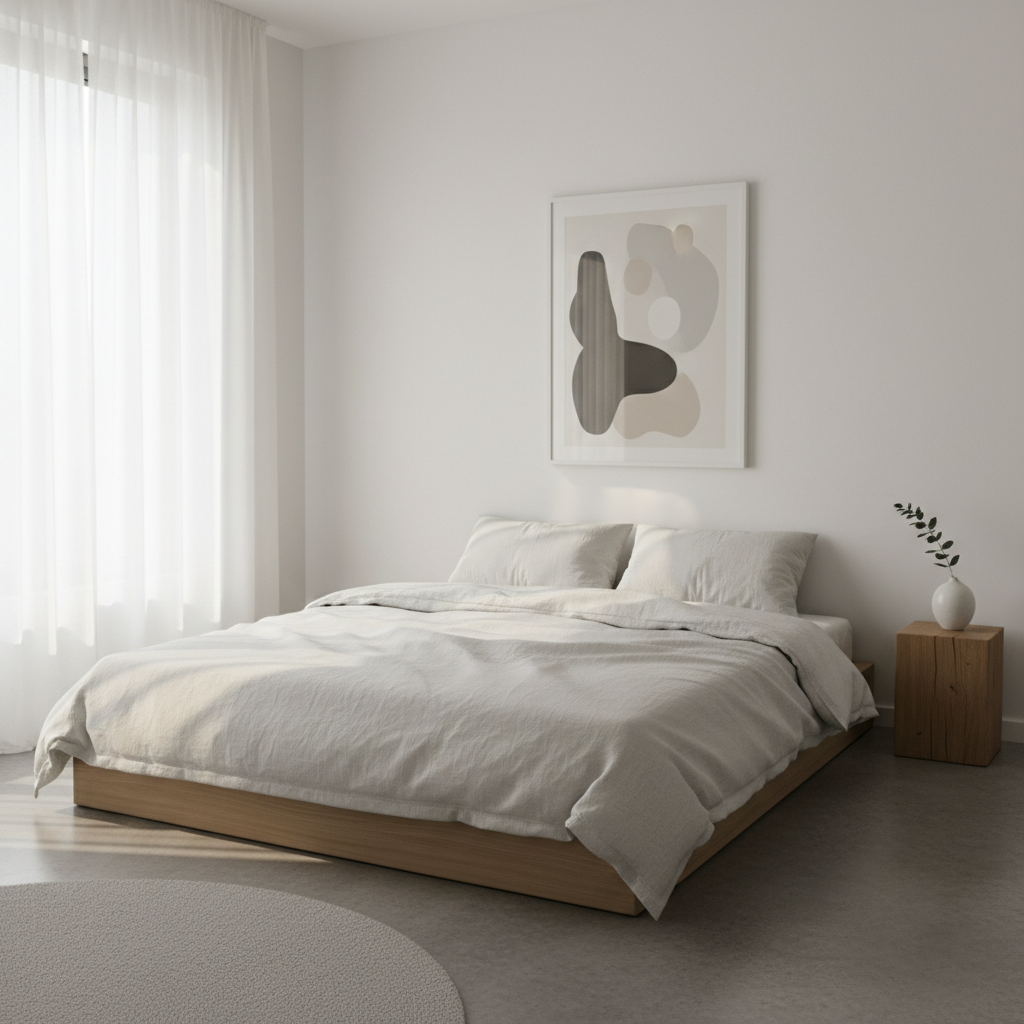
Minimalist bedrooms work because they remove decision fatigue from your sleep routine. When there’s less visual clutter competing for your attention, your mind has an easier time settling down. This isn’t just design theory either.
UCLA researchers found that women living in cluttered homes had higher cortisol levels throughout the day. Higher cortisol makes it harder to fall asleep and stay asleep. So that pile of clothes on your chair might actually be sabotaging your sleep quality.
Start by clearing surfaces. Your nightstand should hold maybe three things: a lamp, a book, and possibly a small dish for jewelry or your watch. That’s it. The dresser top gets similar treatment. If you can’t see the actual surface of your furniture, you probably have too much stuff out.
Storage becomes crucial in minimalist spaces, but it needs to be hidden storage. Target’s Brightroom line has canvas bins that fit perfectly in most closets, usually around $15 each. IKEA’s Skubb boxes work well for dresser drawers and cost even less. The goal is containing things, not showcasing them.
Bedding should feel luxurious but look simple. West Elm’s Belgian Flax linen sheets come in perfect minimalist colors like white, light gray, and oatmeal. They’re expensive, around $200 for a queen set, but linen actually gets softer with each wash. If that’s too much, Target’s Threshold line makes decent cotton percale sheets for under $50.
Wall decor gets stripped down to one or two meaningful pieces. A single large print works better than a gallery wall. Try Minted for art that feels sophisticated without being busy. Their photography prints in black and white frames look expensive but start around $40 for an 11×14.
2. Nature-Inspired Retreat
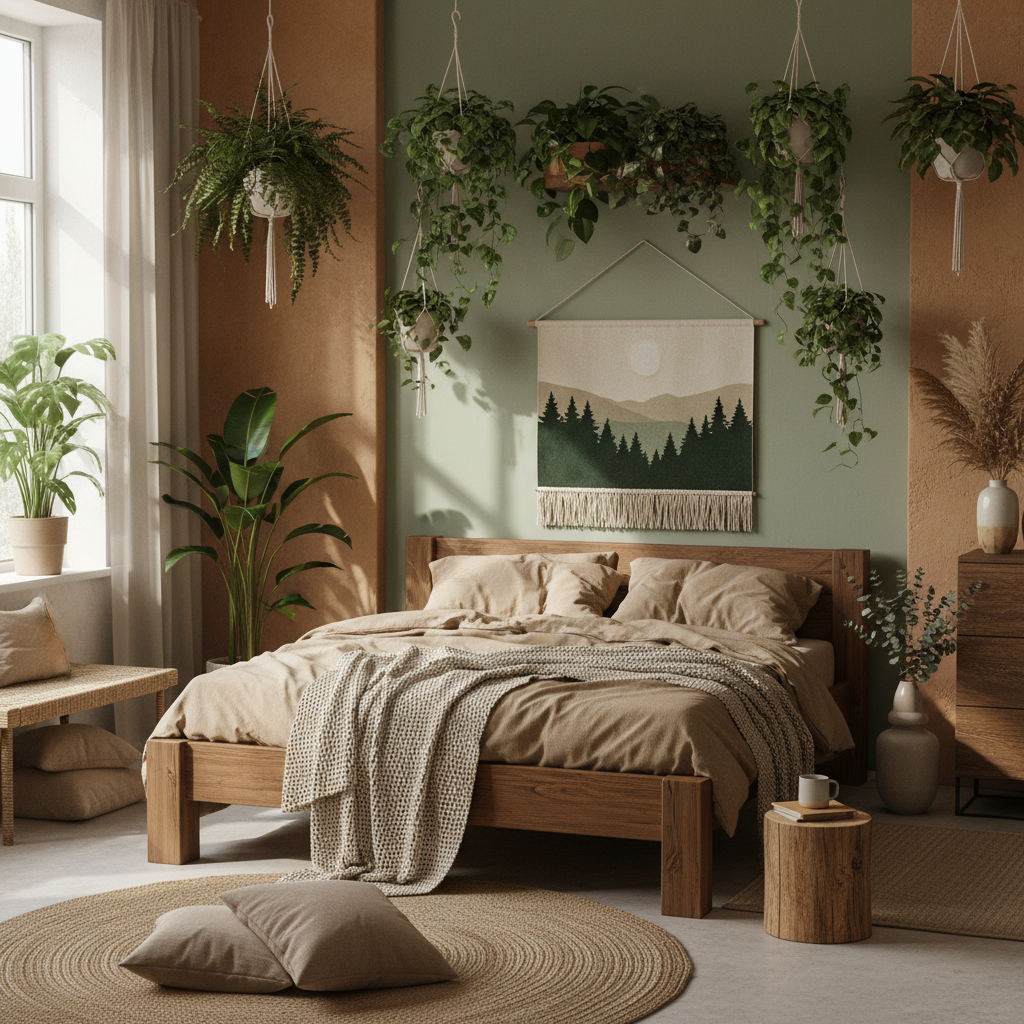
Bringing plants into your bedroom isn’t just about aesthetics. NASA’s Clean Air Study found that certain houseplants actually improve indoor air quality by removing toxins. Better air quality means better sleep.
Snake plants are practically foolproof and release oxygen at night, unlike most plants that only do it during the day. You can find them at Home Depot for around $12 in 6-inch pots. Pothos are equally hard to kill and look great trailing from a high shelf. Spider plants propagate easily, so you can start with one and eventually have several.
If you’re terrible with plants, don’t use fake ones. They collect dust and look obviously artificial up close. Instead, focus on other natural materials that don’t require care.
Wood furniture adds warmth without maintenance. CB2’s Drommen bed frame uses solid mango wood and costs around $800 for a queen size. That’s not cheap, but wood furniture lasts decades if you take care of it. For budget options, IKEA’s Tarva bed frame is solid pine for under $200, though you’ll want to stain or paint it.
Natural fiber rugs ground the space literally and figuratively. Jute rugs from World Market start around $80 for 5×8 sizes and age beautifully. They’re scratchy on bare feet initially, but soften over time. Layer a smaller, softer rug on top if you like walking barefoot.
Stone and ceramic accessories work better than wooden ones in bedrooms because they don’t collect dust as obviously. A simple ceramic vase from CB2, maybe $30, looks elegant with or without flowers. Smooth river rocks arranged in a shallow bowl add natural texture without requiring care.
This biophilic design approach creates the nature connection even without actual natural elements. Benjamin Moore’s Aegean Teal or Sherwin Williams’ Earthen Jug both feel organic without being too bold for a bedroom. Both brands offer sample sizes for around $6, which is smart since paint colors look different in various lighting.
3. The Soft & Serene Sanctuary - Peaceful Sleeping Spaces
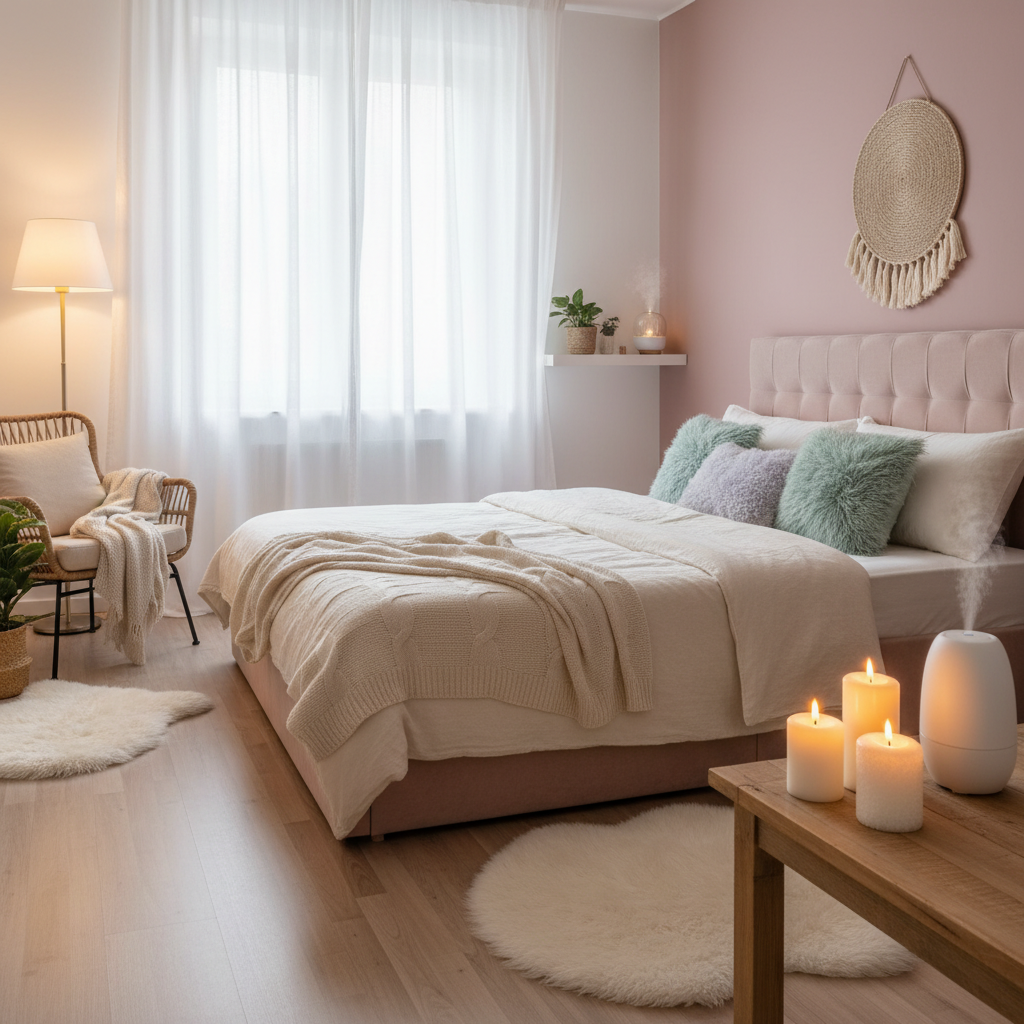
This style works by engaging your sense of touch as much as your visual sense. Soft textures signal comfort to your nervous system, which helps trigger the relaxation response you need for good sleep.
Color psychology research consistently shows that cooler tones like soft blues and greens lower heart rate and blood pressure. Warmer neutrals like cream and pale pink can work too, but avoid anything that feels energizing. Benjamin Moore’s Cloud White isn’t actually white – it has subtle warm undertones that feel cozy instead of stark.
Layering textures makes the biggest difference in this style. Start with your bedding and build up. Parachute’s percale sheets feel crisp and cool, around $160 for a queen set. Add a linen duvet cover from West Elm, maybe another $120. Then layer on a chunky knit throw from Anthropologie, probably $100 but goes on sale regularly.
Pillows multiply the texture opportunities. A velvet lumbar pillow from CB2, around $40. Linen Euro shams from Coyuchi, maybe $60 each. A faux fur accent pillow from Target, under $25. The mix of smooth, nubby, and plush textures creates visual and tactile interest.
Creating a cozy sleep sanctuary requires lighting that feels soft too. Harsh overhead fixtures kill the serene mood instantly. Table lamps with fabric shades diffuse light naturally. West Elm’s Sculptural Glass lamps cost around $200 but create beautiful ambient lighting. For budget options, IKEA’s Foto pendant lamps work well over nightstands and cost under $30 each.
Candles add both soft light and aromatherapy benefits. Lavender actually does promote relaxation – there’s solid research behind it. Diptyque candles smell amazing but cost $70 each. Bath & Body Works three-wick candles give you similar ambiance for around $15 and burn for 45 hours.
Area rugs soften the entire room visually and physically. A plush wool rug from West Elm runs $300-500 for room-size options, but the softness underfoot makes the whole space feel more luxurious. Synthetic alternatives from Rugs USA cost half as much and still provide the visual softness.
4. The Light & Airy Escape
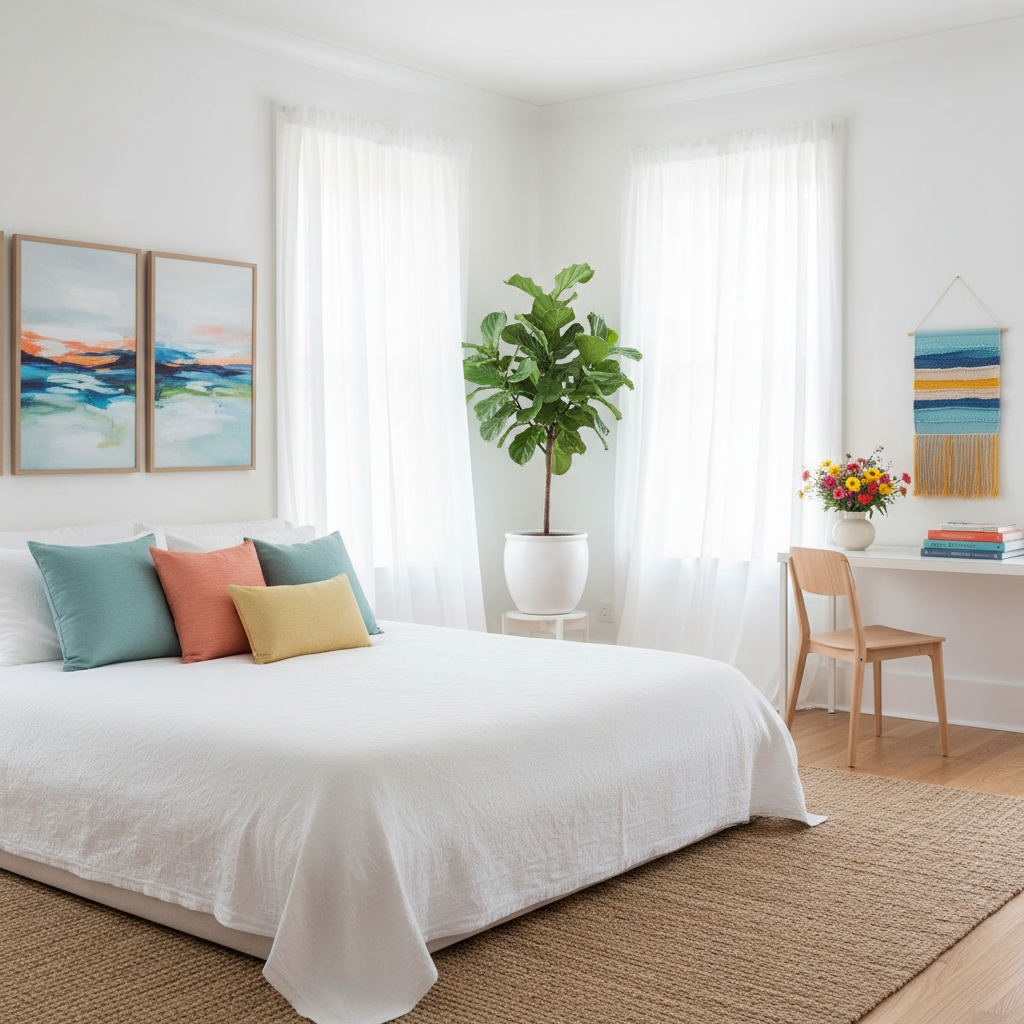
Natural light regulates your circadian rhythm better than any sleep app. Exposure to bright light during the day helps your body produce melatonin at the right time at night. This means maximizing daylight in your bedroom actually improves your sleep quality.
Paint makes the biggest impact here. Light colors reflect more light than they absorb. Benjamin Moore’s Simply White reflects about 91% of light that hits it. Their Cloud White reflects around 87%. The difference matters in rooms that don’t get tons of natural light.
Window treatments need to balance privacy with light transmission. Sheer curtains from IKEA cost around $15 per panel and filter light beautifully during the day while still providing some privacy. For complete darkness at night, layer them with blackout curtains that you can pull closed for sleep.
Mirrors amplify whatever natural light you have. A large mirror opposite or adjacent to your window bounces light around the room effectively. West Elm’s Floating Wood mirrors start around $200 and look substantial enough to make a real difference. Cheaper options from Target work too, though the frames tend to look less expensive.
Furniture in light finishes keeps the airy feeling going. White or light oak bed frames don’t absorb light the way darker woods do. IKEA’s Hemnes bed frame comes in white stain for under $200. Their Malm series offers white options too, though the particle board construction shows more over time.
This bright bedroom design approach stays light but doesn’t have to be boring. Cream, pale gray, and soft white all work. Adding texture through linen or cotton waffle weave prevents the all-light palette from feeling flat. Parachute’s linen bedding comes in colors like sage and dusty rose that feel light but not stark.
Plants work well in light, airy rooms because they add life without visual weight. Fiddle leaf figs make dramatic statements and thrive in bright, indirect light. You can find them at most garden centers for $30-60 depending on size. Just don’t move them around much once you find a spot they like.
5. The Tech-Free Zone

Blue light from screens suppresses melatonin production for up to three hours after exposure. This isn’t debatable anymore – the research is solid. If you want better sleep, screens need to leave your bedroom.
Charging stations belong in kitchens or hallways, not on nightstands. This eliminates the temptation to check your phone when you should be winding down. A simple basket on your kitchen counter works fine for holding devices overnight.
Real alarm clocks cost between $15-40 and don’t buzz with notifications all night. The Philips Wake-Up Light gradually brightens to simulate sunrise, which helps regulate your circadian rhythm naturally. It costs around $100 but might be worth it if you struggle with morning grogginess.
Reading replaces scrolling as your pre-sleep activity. A bedside reading setup needs good task lighting that won’t disturb a partner. Adjustable table lamps work well, or consider wall-mounted swing-arm sconces that direct light exactly where you need it.
Books obviously don’t emit blue light, but e-readers do. If you prefer digital books, newer Kindle models have warm light settings that reduce blue light emission. The Kindle Oasis costs around $250 but the sleep benefits might justify the expense if you read regularly before bed.
Creating a digital detox bedroom takes discipline initially but becomes automatic within a week or two. Most people check their phones within minutes of waking up, which immediately activates stress responses. Having to walk to another room to retrieve your phone creates a natural pause.
Blackout curtains become more important in tech-free rooms because you become more sensitive to ambient light from streetlights or neighboring buildings. Room-darkening curtains from Target cost around $40-60 per panel and block most light effectively.
White noise machines can replace the ambient sound that many people get from having TVs or other devices running. The Marpac Dohm uses actual airflow rather than recorded sounds and costs around $50. It’s less artificial-sounding than digital alternatives.
Frequently Asked Questions
Q: How can I make my small bedroom feel more peaceful?
Small bedrooms actually work better for minimalist approaches. Focus on vertical storage to keep the floor clear. Wall-mounted shelves from CB2 cost around $40 each and don’t take up floor space. Under-bed storage boxes from Container Store, maybe $25 each, hide seasonal clothes or extra bedding. Light colors on walls make small rooms feel larger, but don’t go stark white if your room doesn’t get much natural light. Off-white or pale gray feels more comfortable. Mirrors help, but one large mirror works better than several small ones.
Q: What are the best colors for creating a peaceful bedroom?
Blues consistently test as the most relaxing colors for bedrooms. Benjamin Moore’s Palladian Blue or Sherwin Williams’ Sea Salt both feel calming without being cold. Soft greens work well too – try Benjamin Moore’s October Mist. Warm neutrals like cream or mushroom gray create coziness. Avoid pure white unless you have tons of natural light, otherwise it can feel institutional. Paint sample sizes cost around $6 and let you test colors in different lighting throughout the day.
Q: How important is lighting in creating a peaceful sleeping space?
Lighting affects your sleep cycle more than most people realize. Bright overhead lights after sunset can delay melatonin production. Dimmer switches solve this problem and cost around $15-25 each to install. Table lamps with warm bulbs create better evening ambiance. Look for bulbs rated 2700K or lower – they produce warmer, less stimulating light. Philips makes smart bulbs that gradually dim as bedtime approaches, around $25 each. Natural light during the day is equally important for maintaining healthy sleep patterns.
