


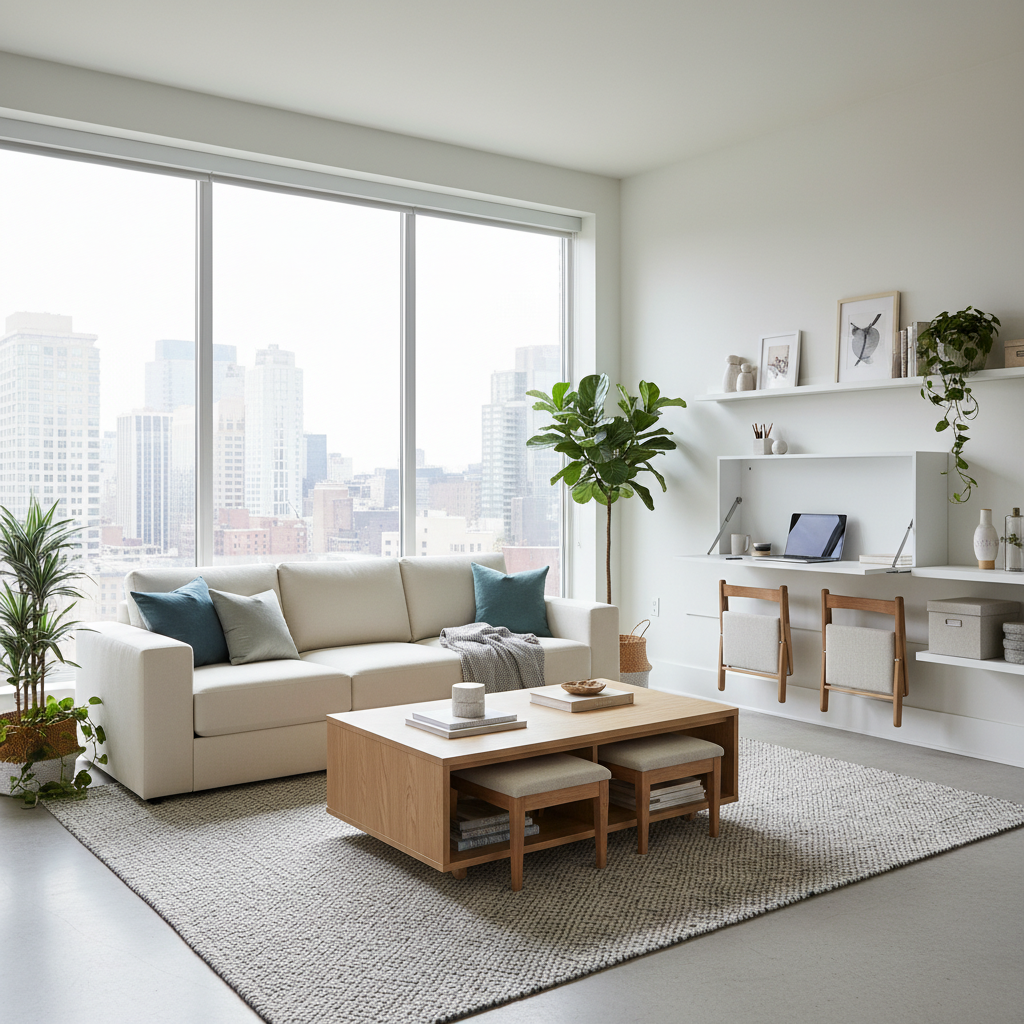
Your studio apartment has a weird corner that doesn’t fit a bed OR a desk. Your living room is long and narrow, like someone stretched it through a pasta machine. These layout problems used to mean choosing between having friends over or having a place to sleep.
Not anymore. Multifunctional furniture has gotten so much better in the last few years. IKEA alone has probably tripled their convertible options since 2020. Plus you’ve got companies like West Elm and CB2 making pieces that actually look good when they’re not being used as intended.
These five types solve the most common space puzzles. A sofa that becomes a bed. Ottoman that swallows your winter blankets. Coffee table that turns into a desk when you need to work from your couch, which is honestly where the best ideas happen anyway.
Storage beds have gotten particularly clever. Wall-mounted desks that disappear completely. Even coffee tables with lift-tops that don’t look like they belong in a 1990s RV.
1. Sofa Beds: The Ultimate Guest Room Solution
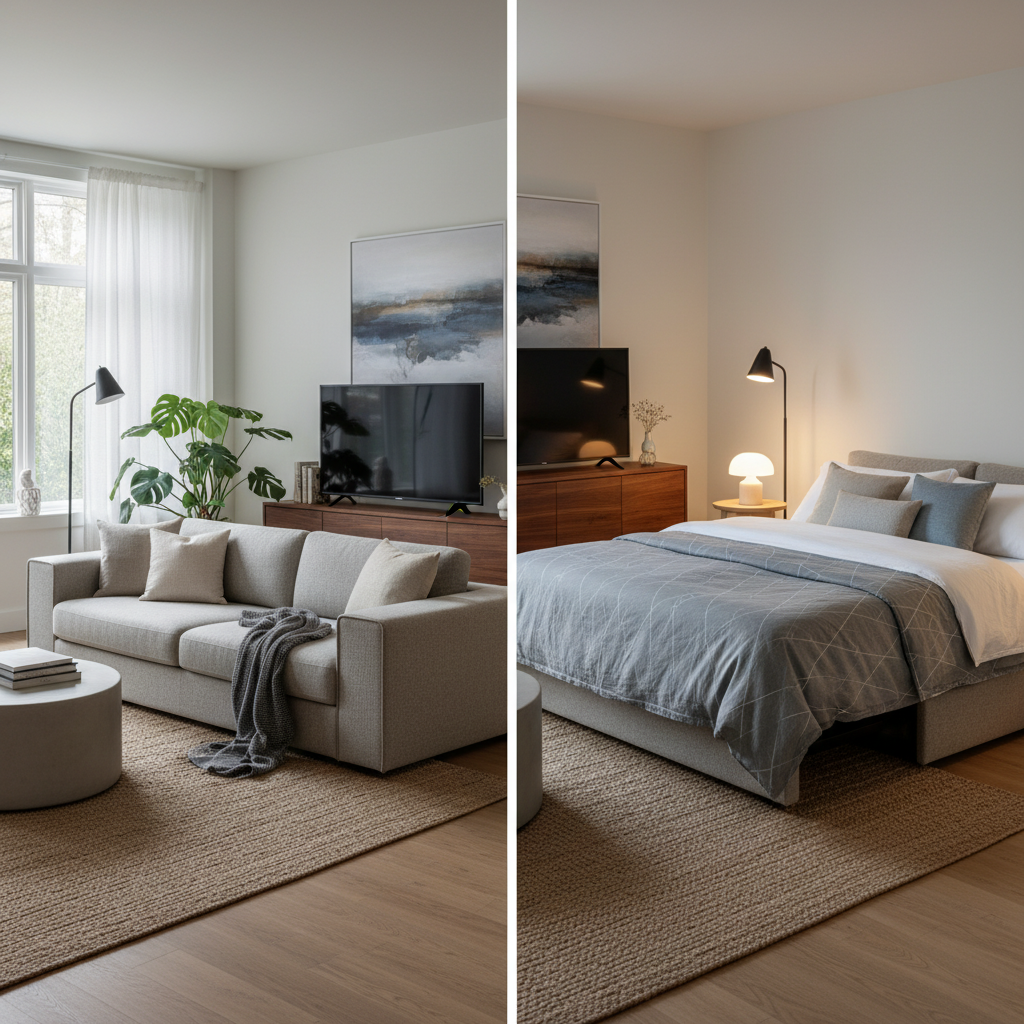
Sofa beds used to be terrible. Like sleeping on a medieval torture device with springs poking through a thin mattress. But they’ve gotten so much better that some people choose them even when they have space for a separate guest bed.
The mechanism matters more than anything else. Pull-out models with real mattresses run about $800 to $2000 for something decent. CB2’s Flex Gravel Sleeper Sofa sits around $1400 and has an actual 5-inch memory foam mattress inside. Click-clack models are easier to convert but you’re basically sleeping on cushions. Futons are still futons, though IKEA’s Friheten sectional sleeper at $649 manages to be surprisingly comfortable for the price.
Frame construction determines whether this thing lasts two years or ten. Hardwood frames with metal reinforcement cost more upfront but won’t start sagging after six months. Ashley Furniture makes some solid mid-range options around $600-900. Avoid anything with a particle board frame, no matter how good the deal looks.
Size gets tricky because you need clearance for the pullout mechanism. Most need about 8 feet of space when fully extended. Measure twice, order once, because returning a sofa bed involves logistics that rival moving apartments.
Fabric choice depends on whether this is your everyday sofa or just occasional seating. Performance fabrics like Crypton or Revolution handle spills and pet hair better than regular upholstery. West Elm’s performance velvet feels luxurious but wipes clean with just water. Leather looks great but shows every scratch if you have cats.
Storage compartments in the arms or base add functionality. Pottery Barn’s SoMa models include side storage for pillows and sheets, though you’ll pay around $1800-2500 for that convenience.
The biggest improvement has been mattress quality. Companies finally realized people don’t want to torture their guests. Look for at least 4-inch thick mattresses with decent coil systems or memory foam. Some brands now offer upgrade options to hotel-quality mattresses for an extra $200-400.
2. Storage Ottomans: Seating, Storage, and Style
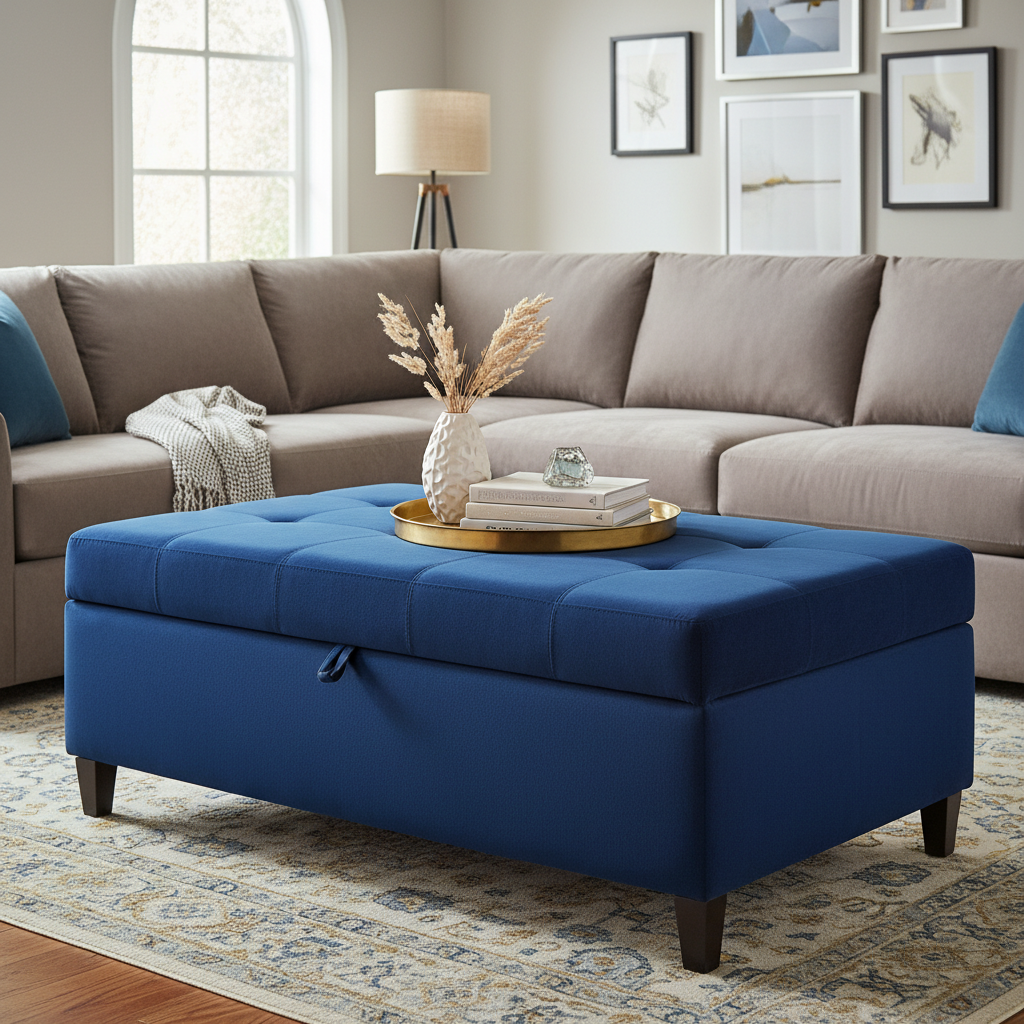
Storage ottomans are probably the most underrated piece of furniture. They hold stuff, provide extra seating, work as footrests, and can even substitute for coffee tables with the right tray on top.
Target’s Brightroom line has basic storage ottomans starting around $40. They’re fine for lightweight storage like throw blankets or seasonal decorations. The velvet ones from Threshold look more expensive than they are, especially in deeper colors like navy or forest green.
For heavier use, spend more on the frame. West Elm’s storage ottomans run $200-500 but can actually support adult weight without collapsing. Their Performance Velvet Storage Ottoman in cognac leather looks particularly good with mid-century modern furniture.
Size matters depending on what you’re storing. Small round ottomans work for blankets and magazines. Large rectangular ones can hold board games, extra pillows, or even out-of-season clothes if you add cedar blocks or lavender sachets.
The lid mechanism affects daily usability. Hinged lids stay attached but need clearance to open. Removable tops are easier to access but get lost or used as impromptu tables in other rooms. Some newer models have soft-close hinges that prevent slamming, which matters if you’re using this near a TV or baby’s room.
Fabric choice affects maintenance. Linen looks great but stains easily. Performance fabrics cost more upfront but save headaches later. Leather or faux leather wipes clean but can look clinical in cozy spaces.
Interior organization varies wildly. Some ottomans are just empty boxes. Others include dividers or smaller compartments. CB2’s Grid Storage Ottoman has removable fabric bins inside, which actually helps keep things organized instead of creating a black hole where everything disappears.
Space optimization gets creative with newer designs. Some include charging ports, cup holders, or removable trays. Honestly, most of these features feel gimmicky, but USB charging can be genuinely useful for phone storage.
Color and pattern impact room design more than you’d expect from such a simple piece. A bold pattern can anchor a neutral room. Solid colors blend into existing schemes. Metallic ottomans from brands like Anthropologie add glamour but show fingerprints and scratches more easily.
3. Coffee Tables with Lift-Tops: Work and Dine in Comfort
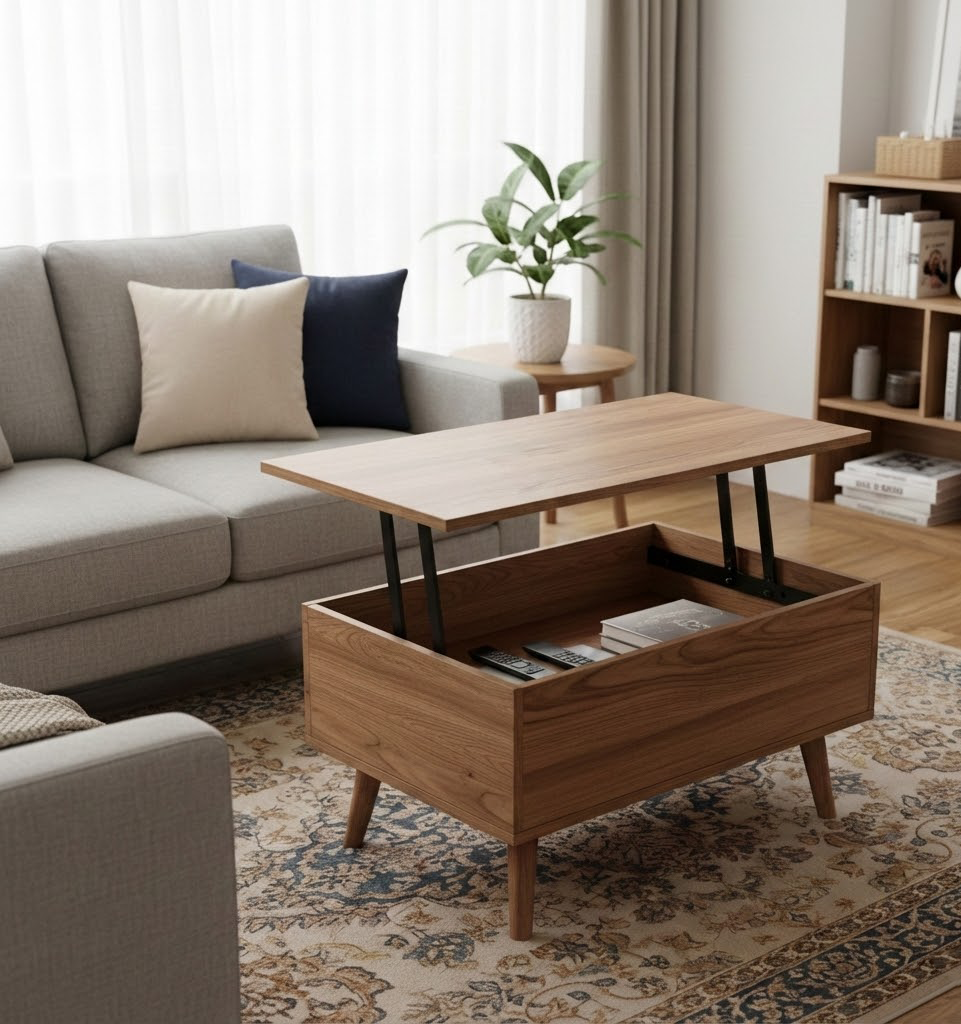
Lift-top coffee tables solve the laptop-on-couch ergonomics problem. Instead of hunching over a low table, the top lifts and extends toward you, creating a proper desk height while you stay comfortable on the sofa.
The lifting mechanism is everything. Cheap spring-loaded hinges start failing after a few months of daily use. Look for pneumatic or hydraulic lifts that move smoothly and hold position reliably. Wayfair’s higher-end models around $400-600 use better hardware that lasts.
Most lift-tops reveal storage compartments underneath. Basic models just have open space. Better designs include adjustable shelves, cord management, or separate compartments for different items. The Hemnes lift-top from IKEA at around $180 includes a removable tray for organizing smaller items.
Weight capacity matters if you’re actually working on these. Cheap tables wobble under laptop weight or flex when you’re typing. Solid wood or metal frame construction handles regular use better. Ashley Furniture’s lift-top tables support about 50 pounds on the extended surface, which covers most laptop and dinner scenarios.
Size affects both storage and surface area. Larger tables provide more workspace but can overwhelm small living rooms. Standard sizes run about 48 inches long by 24 inches wide. Compact versions around 36 inches work better in apartments but limit what you can comfortably do on the surface.
Height adjustment range varies by model. Some only lift a few inches, which barely improves ergonomics. Better tables raise the surface 8-10 inches higher than the closed position. Test this if possible, because the “right” height depends on your couch height and personal comfort.
Storage accessibility changes when the top is lifted. Some tables block access to compartments when open. Others have side-access storage or multiple compartments you can reach regardless of position. Consider how you’ll actually use both functions.
Style integration challenges many lift-top tables. The mechanism often dictates chunky, contemporary designs that don’t work with traditional décor. A few companies like Pottery Barn make versions that look more like regular furniture, though you’ll pay $800-1200 for better aesthetics.
Remote work has driven demand for these tables significantly. What used to be a niche furniture category now appears in most major retailers. Even luxury brands like RH have introduced lift-top options, though their prices reflect the premium positioning.
4. Space-Saving Multifunctional Furniture: Wall-Mounted Desks That Disappear
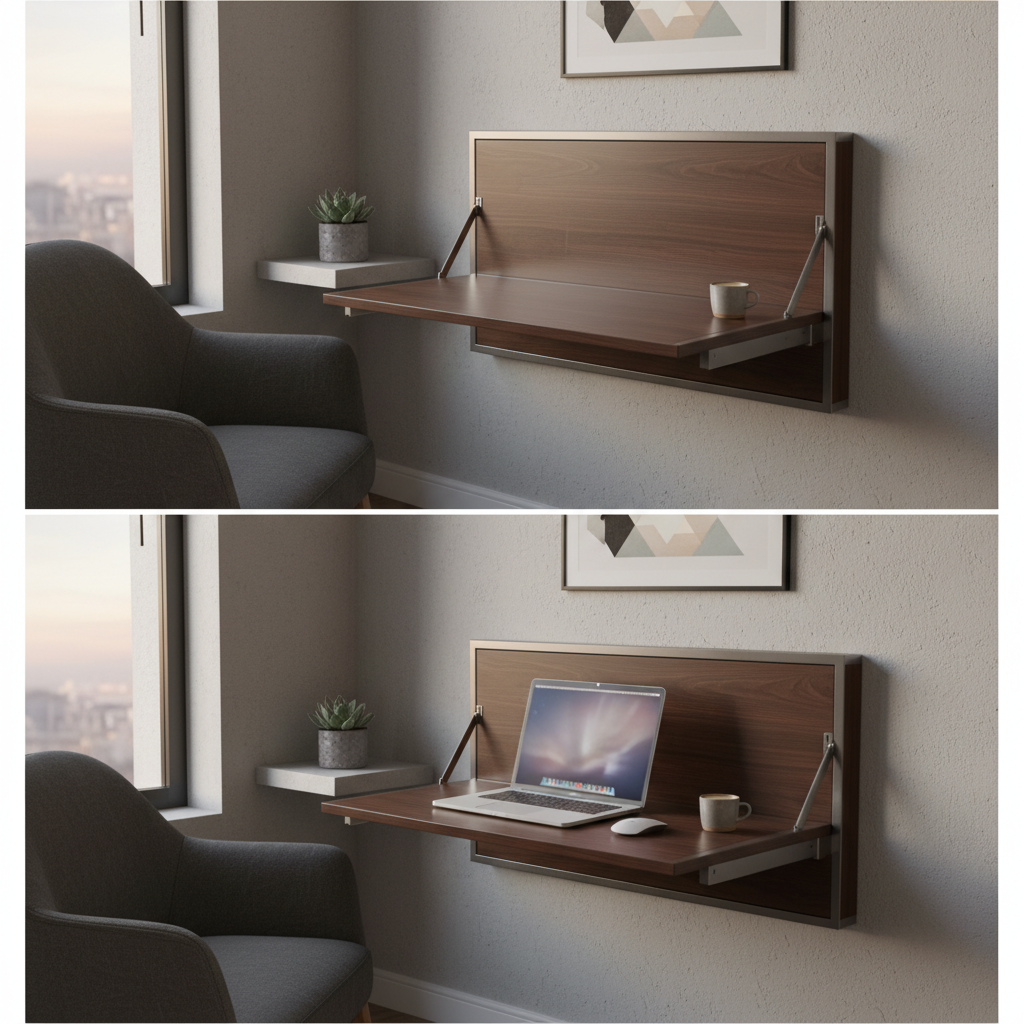
Wall-mounted desks are perfect for spaces that need to be offices sometimes and living areas other times. Fold them down for work, fold them up for life. No permanent furniture footprint.
Installation requires hitting wall studs or using heavy-duty toggles. These desks need to support 50-100 pounds depending on your setup. Most include mounting hardware, but verify your wall type first. Plaster walls need different fasteners than drywall. Concrete or brick walls require masonry bits and appropriate anchors.
The folding mechanism affects daily usability. Spring-loaded hinges make opening and closing easier but can fail over time. Manual hinges last longer but require more effort. Some models include soft-close mechanisms that prevent slamming against the wall.
Workspace size when open determines what you can actually accomplish. Small desks around 24 inches wide work for laptops but feel cramped for writing or projects requiring multiple items. Larger 36-48 inch models provide proper workspace but look more prominent when folded up.
Storage integration varies significantly. Basic models are just folding surfaces. Better versions include shelves, cord management, or small compartments for office supplies. CB2’s Slice Wall-Mounted Desk includes a small shelf and cable routing, though at $400 it costs more than some freestanding desks.
Weight and bulk when closed affects room aesthetics. Thin profiles around 3-4 inches deep barely register visually. Thicker designs can look like awkward wall cabinets. Consider sight lines from different room positions when choosing mounting height and size.
Cable management gets tricky with wall-mounted desks. You need power and possibly ethernet access, but cords can look messy trailing down the wall. Some models include integrated cord routing. Others require separate cord covers or creative positioning near existing outlets.
Material choice impacts both function and appearance. Wood feels warmer but shows wear more easily. Metal or laminate surfaces resist scratches and water damage. White or light colors make desks less noticeable when folded. Dark colors can look dramatic but show dust more readily.
Price ranges from around $150 for basic IKEA models to $600+ for designer versions. The Norbo wall-mounted drop-leaf table from IKEA at $79 technically works as a desk, though it lacks features like cord management or integrated storage.
Home office flexibility trends have expanded options considerably. What used to be mainly available from office furniture companies now appears in home décor retailers. Even luxury brands offer wall-mounted workspace solutions, recognizing the demand for flexible home offices.
5. Storage Beds: Maximize Under-Bed Space
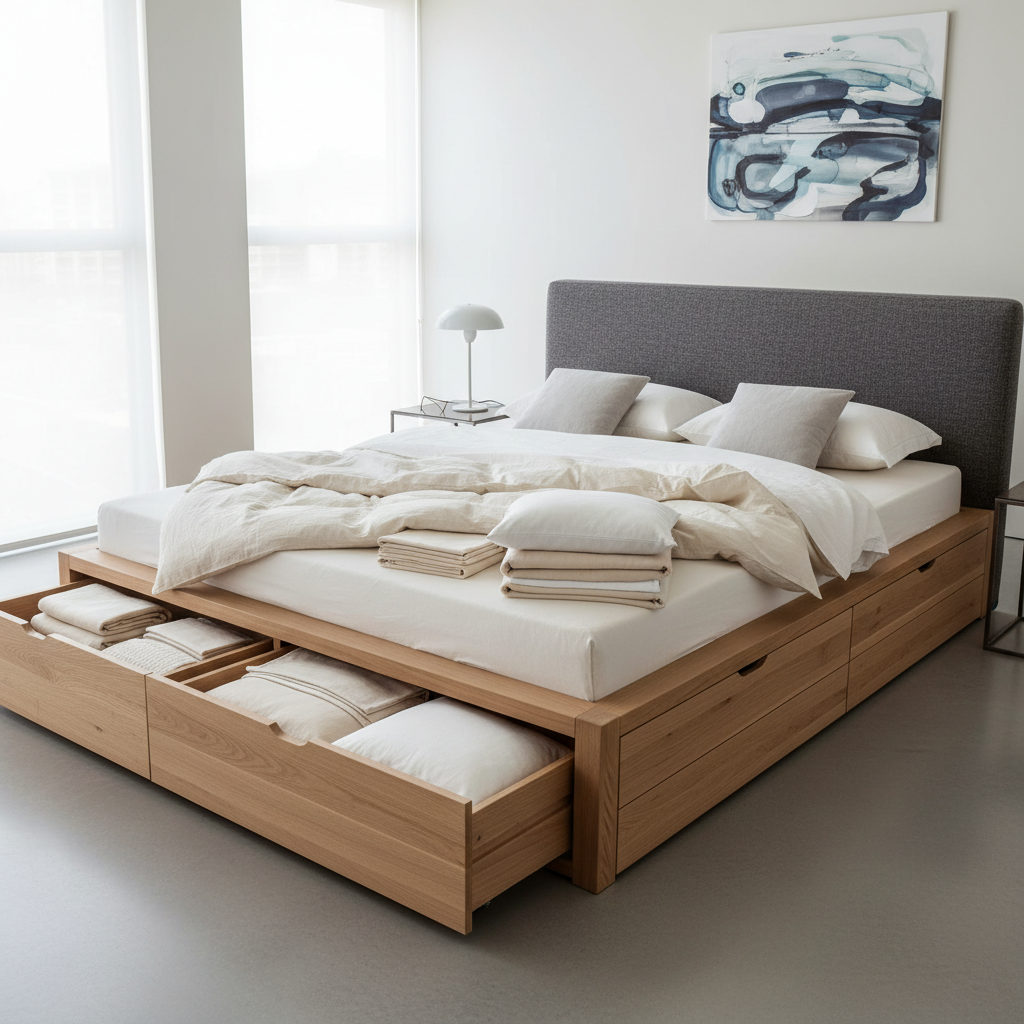
Under-bed space in most bedrooms goes completely unused. Storage beds fix this by building drawers, shelves, or lift-up compartments directly into the bed frame. The space is there anyway, might as well make it work.
Drawer-style storage beds are easiest for daily access. Pull out drawers just like a dresser. IKEA’s Hemnes daybed with three large drawers costs around $400 and holds a surprising amount of stuff. The drawers are deep enough for comforters, seasonal clothes, or extra pillows.
Platform beds with lift-up storage offer more space but require lifting the entire mattress to access items. These work better for longer-term storage like out-of-season clothes or extra bedding sets. West Elm’s storage platform bed runs about $800-1200 and includes hydraulic lifts that make raising the mattress manageable.
Captain’s beds, popular in kids’ rooms, work well for adults too. Multiple drawers on both sides provide organized storage for different categories of items. Ashley Furniture makes adult-sized captain’s beds starting around $500.
Weight capacity matters because you’re sleeping on top of storage compartments. Solid wood frames handle more weight than particle board construction. Metal frames can be sturdy but may develop squeaks over time as joints loosen.
Access considerations affect daily usability. Drawer systems need clearance on at least one side of the bed. Lift-up storage requires space to stand beside the bed and maneuver the mattress. Consider your bedroom layout and which storage type fits your available space.
Furniture organization inside storage areas varies by design. Some beds include dividers or separate compartments. Others are just large empty spaces that tend to become jumbled over time. Adding your own organizers like canvas bins helps maintain order.
Mattress compatibility can be tricky with lift-up storage beds. Heavier mattresses make accessing storage more difficult. Memory foam mattresses without box springs work well with platform storage beds. Traditional innerspring mattresses may require additional support slats.
Assembly complexity increases with storage features. Basic platform beds might take an hour to assemble. Storage beds with multiple drawers and hardware can take 4-6 hours and definitely need two people. Factor this into your purchasing decision.
Interior design harmony challenges some storage beds. The extra height and bulk can make bedrooms feel crowded. Choose designs that complement your existing furniture rather than dominating the room. Lighter wood tones or white finishes help storage beds feel less imposing.
Price varies dramatically based on size, materials, and storage type. Basic twin storage beds start around $200. King-sized solid wood storage beds with multiple drawers can exceed $1500. Most people find good options in the $400-800 range for queen-sized beds with decent construction and useful storage capacity.
Frequently Asked Questions
Q: How do I choose the right size multifunctional furniture for my small space?
A: Measure everything twice. Seriously, get out the tape measure and mark the floor with painter’s tape to visualize how furniture will fit both ways. A sofa bed needs about 8 feet when extended, but most people forget to account for walking space around it. Same with lift-top coffee tables, they extend toward the couch by 12-18 inches typically. Storage ottoman dimensions matter less, but make sure drawers or lift-tops have clearance to open fully. IKEA’s website actually has decent room planning tools that help visualize scale, though the 3D rendering makes everything look smaller than reality.
Q: What are some tips for styling multifunctional furniture so it doesn’t look cluttered?
A: Keep surfaces clear and resist the urge to decorate every storage compartment. The whole point is having places to hide stuff, so actually hide it. Choose pieces in neutral colors that blend with your existing furniture rather than making statements. A bright orange storage ottoman might seem fun at first but gets tired quickly. Group convertible pieces thoughtfully, don’t scatter them around randomly. One well-chosen storage bed plus a lift-top coffee table works better than five different convertible pieces fighting for attention.
Q: How can I ensure the longevity of my multifunctional furniture?
A: Buy the best hardware you can afford. Cheap hinges, drawer slides, and lifting mechanisms fail first and are often impossible to replace. Solid wood or metal frames last decades while particle board starts sagging within a few years. Follow weight limits, even if they seem conservative. That storage ottoman rated for 200 pounds will last longer if you keep it under 150. Clean moving parts occasionally and tighten screws as they loosen over time. Most importantly, don’t force mechanisms that start sticking. A little furniture wax or spray lubricant prevents bigger problems later.
