



Minimalist Nordic style works because it strips away everything that doesn’t matter. Not in some Marie Kondo way where you’re supposed to talk to your socks, but practically. White walls, light wood, maybe a single plant that you can actually keep alive.
This isn’t about following Instagram trends. It’s about creating spaces that feel genuinely calm instead of cluttered and overwhelming. The whole approach comes from countries where people spend months indoors during dark winters, so they figured out how to make homes that don’t drive you crazy.
- Embrace Neutral Color Palettes: Whites, grays, and warm beiges that actually make rooms feel bigger instead of boring
- Prioritize Natural Light: Windows without heavy curtains blocking half the sun you’re paying rent to enjoy
- Focus on Functionality: Storage that works and furniture you actually use, not display pieces
- Incorporate Natural Materials: Real wood and linen that age well instead of particle board that falls apart
- Add Personal Touches: A few meaningful things instead of tchotchkes covering every surface
What Are The Key Elements That Define Minimalist Nordic Style?
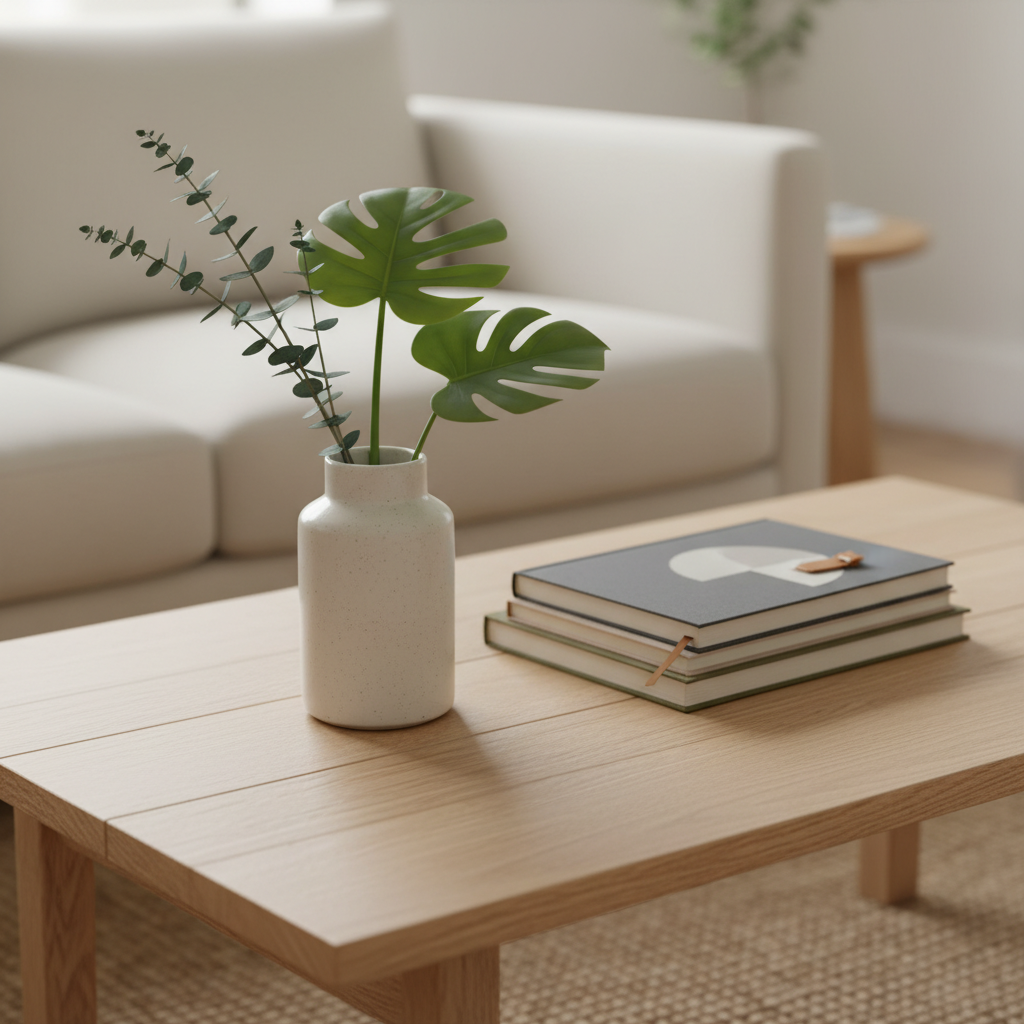
Nordic style isn’t about creating a museum where you’re afraid to sit on anything. It’s more practical than that. The whole point is making spaces that feel calm but still livable through thoughtful interior design choices.
Start with color, which basically means not starting with color at all. White walls, light wood floors, maybe some gray or beige accents. Sounds boring until you realize how much bigger and brighter rooms feel when they’re not fighting with busy patterns or dark colors. According to Statista, white is the most popular interior paint color globally, probably because people instinctively know it works.
Natural light matters more than you’d think. Large windows without heavy curtains blocking them. Mirrors placed where they’ll actually reflect light instead of just taking up wall space. During those long Nordic winters, every bit of daylight counts, so this style maximizes what’s available.
Everything serves a purpose. Furniture with clean lines that doesn’t collect dust in weird crevices. Storage built into things instead of added as an afterthought. The IKEA Hemnes dresser in white stain, around $179, actually exemplifies this pretty well: simple, functional, doesn’t scream “look at me.”
Natural materials keep it from feeling sterile. Light woods like birch or pine, wool throws from places like West Elm (their chunky knit ones run about $89), linen curtains that let light through but still give you privacy. These textures add warmth without adding visual noise.
The tricky part is accessories. A few carefully chosen pieces work better than lots of small things scattered around. Maybe some simple ceramic pieces from CB2, or books with covers that don’t clash with everything else. Less really does end up being more, though that took me a while to believe.
How Can You Maximize Natural Light in a Nordic-Inspired Home?
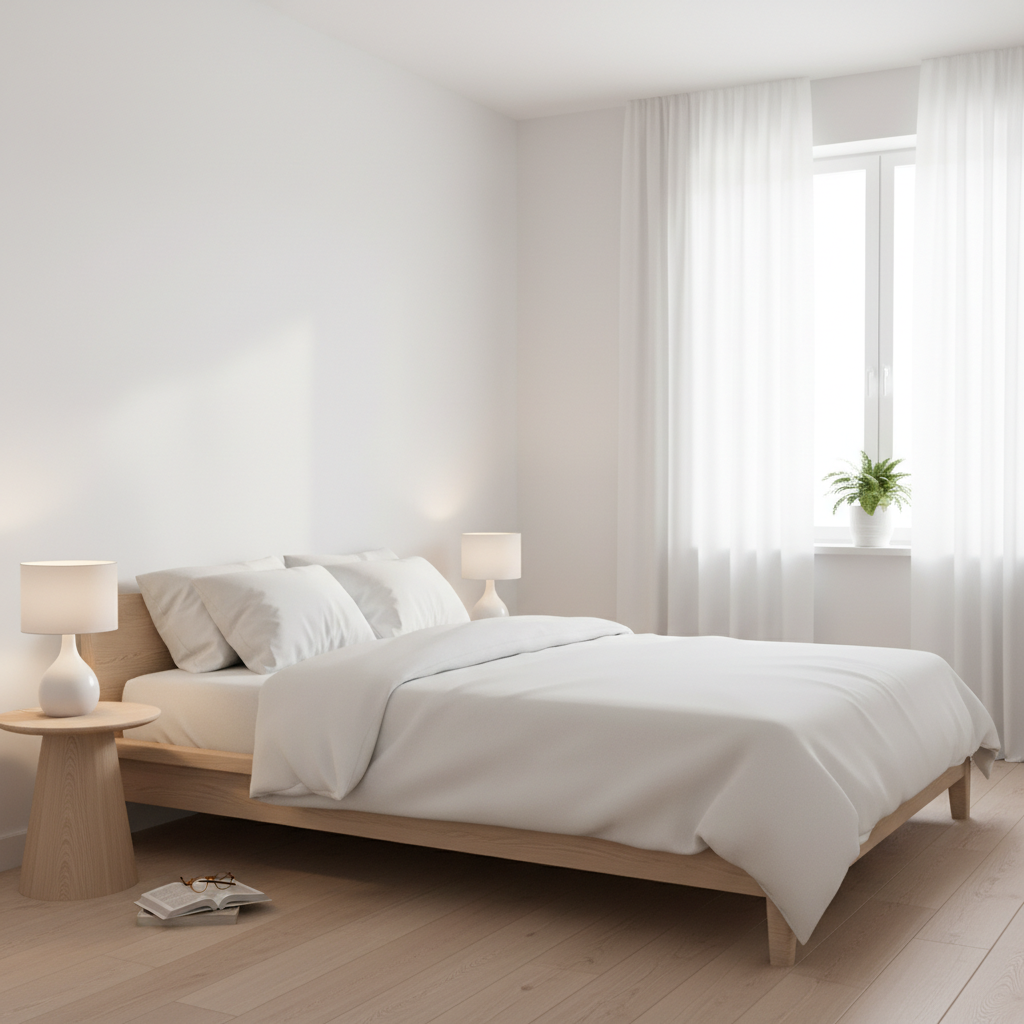
Light transforms spaces in ways that furniture can’t. In Nordic countries where winter means a few hours of dim daylight, people figured out how to make the most of whatever sun they could get.
First, stop blocking your windows. Those heavy curtains from your college apartment need to go. Amazon sells good sheer panels for under $20 that give you privacy without cutting your light in half. The American Lighting Association found that people with more natural light report being happier, which tracks if you’ve ever worked in a windowless office.
Paint matters more than you’d expect. Benjamin Moore’s Simply White or Behr’s Ultra Pure White on walls will bounce light around instead of absorbing it. Sounds basic, but it actually works. Dark colors make rooms feel smaller and require more artificial lighting during the day.
Mirrors can double your light if you place them right. Not just any mirrors, but those big rectangular ones from IKEA’s LOTS series. They cost about $40 and actually make a difference when positioned across from windows. Avoid the tiny decorative accents that don’t reflect enough light to matter.
Furniture color affects brightness too. That dark wood dining set might look sophisticated, but it’s probably making your room feel dimmer. Light oak or white-painted wood reflects light back up to the ceiling. IKEA’s Lisabo table in ash veneer, around $149, shows how light wood can brighten a space through smart furniture arrangement.
Plants help, though not in the way you’d think. They don’t actually add light, but they make bright spaces feel more alive. A fiddle leaf fig by a sunny window, maybe $40 from Home Depot, creates the kind of natural focal point that makes good light feel intentional rather than accidental.
Embrace hygge without going overboard. Candles in the evening create warmth, but the goal during the day is maximizing actual sunlight for those Nordic home design essentials. Save the cozy lighting for after dark.
What Role Does Functionality Play in Creating Serene Spaces?
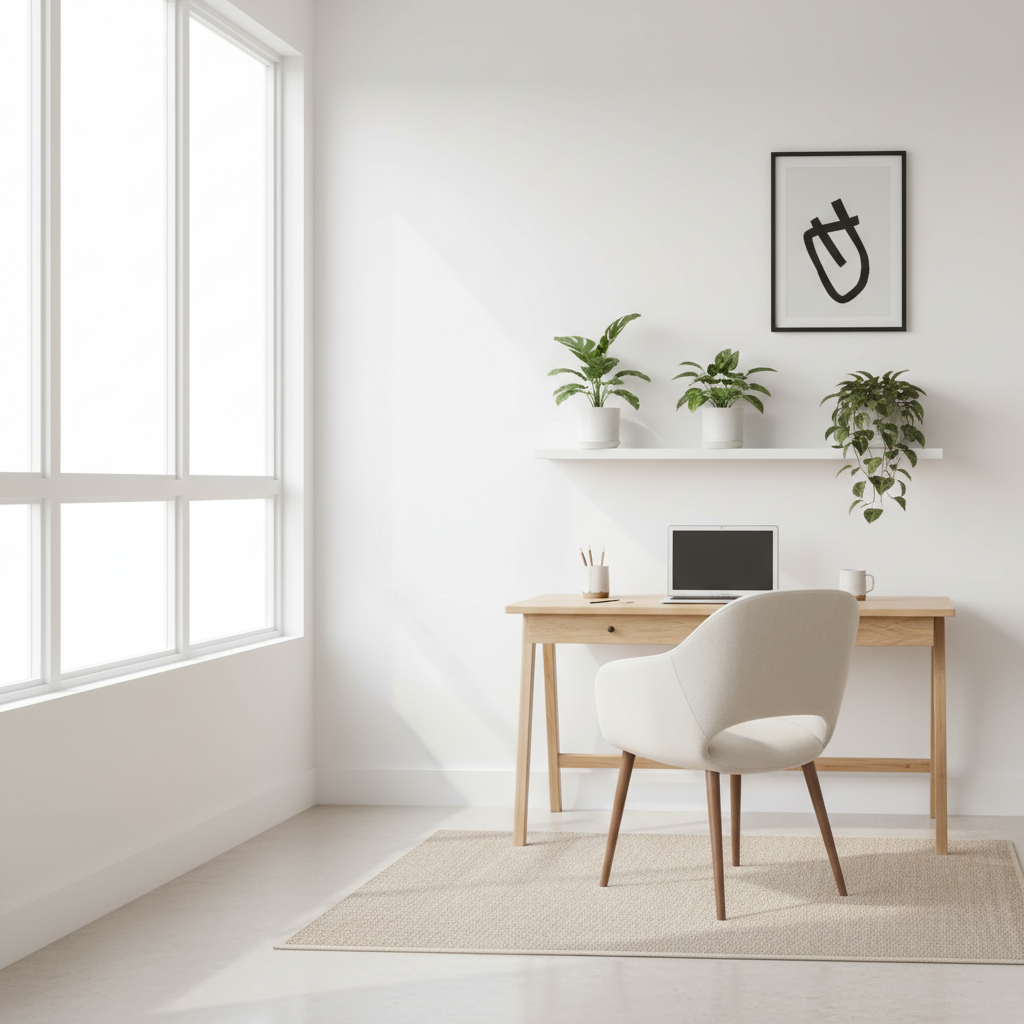
Clutter creates mental noise even when you’re not consciously noticing it. Your brain processes everything in your field of vision, so a bunch of random stuff scattered around actually makes it harder to relax.
Decluttering comes first, but not in some dramatic weekend purge that leaves you with three forks and a sense of regret. Start with obvious stuff like broken things, duplicates, clothes that don’t fit. The National Association of Professional Organizers says people spend about a year of their lives looking for misplaced items, which seems conservative if you’ve ever searched for keys while running late.
Storage needs to work with how you actually live. Those beautiful woven baskets from World Market, around $35 each, look great but they’re useless if you can’t see what’s inside them. Inexpensive clear storage bins for things you need to find quickly, pretty baskets for things like extra blankets that you grab occasionally.
Furniture should earn its space. A coffee table with built-in storage, like West Elm’s Mid-Century Pop-Up Storage version at around $399, holds remotes and magazines instead of just collecting them on top. The IKEA Hemnes daybed, about $279, works as seating and a guest bed, which matters if you don’t have unlimited square footage.
Vertical storage makes rooms feel less crowded. Wall-mounted shelves from CB2 or even Target keep books and decorations off surfaces where they create visual clutter. The key is mounting them high enough that they’re not at eye level competing for attention.
Create zones for different activities instead of letting everything blend together. A reading corner with good light and a side table for your coffee. A workspace that can be tidied at the end of the day through proper space planning. According to Apartment Therapy’s 2022 survey, 78% of people feel less stressed in organized spaces, probably because their brains aren’t constantly processing disorder.
Quality over quantity actually works better for your budget long-term. Better to have one good wooden cutting board that lasts years than three cheap plastic ones that warp and stain when you’re designing a calm Scandinavian-inspired living room.
How Can You Incorporate Natural Materials For a Warmer Feel?

Natural materials prevent minimalist spaces from feeling like waiting rooms. Wood, wool, and linen add texture and warmth without creating visual clutter.
Wood works best in lighter tones. Pine, birch, or light oak floors feel more spacious than dark hardwoods, and they’re often cheaper too. If you’re renting, light wood furniture still warms up a space. IKEA’s Frosta stools in birch, about $25 each, work as extra seating or side tables and actually look more expensive than they are.
Wool adds comfort without bulk. A chunky knit throw from West Elm, around $89, transforms a simple sofa into somewhere you actually want to sit. Wool rugs work better than synthetic ones because they age well and feel better underfoot. The Forest Stewardship Council notes that sustainable wool production supports both animal welfare and environmental health.
Linen brings texture that cotton can’t match. It wrinkles, but that’s part of the appeal, it truly looks lived-in rather than fussy. IKEA’s Aina curtains in natural linen, about $25 per pair, soften windows without blocking light. Linen bedding from places like Parachute, though pricier at around $200 for sheets, gets softer with each wash instead of wearing out.
Leather adds richness in small doses. A leather ottoman or accent chair rather than a full leather sofa, which can overwhelm a minimalist space. Article’s Sven series offers clean-lined leather pieces that work with Nordic room aesthetics, though you’ll pay around $1200 for a chair.
Plants bridge the gap between indoors and outdoors. A large snake plant in a simple white pot, maybe $30 total from Home Depot, adds life without requiring much care.
The European Confederation of Linen and Hemp points out that linen requires less water and pesticides than cotton, making it more sustainable when creating a cozy Nordic home on a budget. Natural materials often have better environmental stories than synthetic alternatives, which fits with the Nordic emphasis on living thoughtfully.
Mix textures instead of matching everything perfectly. Smooth wood with nubby linen with soft wool creates visual interest without pattern or color. It’s more forgiving than trying to coordinate multiple prints or colors.
Not just into design and fashion, but interested in adopting a more minimalist lifestyle? Check out this blog post on how minimalism can fit into design.
Frequently Asked Questions
Q: How do I balance minimalism with personalization in my home?
A: Pick fewer things that matter more to you. Instead of displaying every vacation souvenir, choose one or two pieces that actually make you happy when you see them. A single piece of art you love works better than a gallery wall of okay prints. The goal isn’t erasing your personality, it’s editing it down to what’s most important. Quality picture frames from places like CB2, around $40 each, make personal photos look more intentional than mismatched frames from various decades.
Q: What are some common mistakes to avoid when adopting Minimalist Nordic style?
A: Going too sterile is the biggest one. All white everything without texture or warmth just feels cold. Add wool, wood, plants, just something that makes the space feel lived-in. Another mistake is ignoring storage completely and thinking minimalism means constantly decluttering instead of having systems that work. Also, overhead fluorescent lighting will kill any cozy vibe you’re trying to create. Invest in warm-toned LED bulbs and table lamps instead.
Q: Is Minimalist Nordic style suitable for small spaces?
A: Actually works better in small spaces than busy decorating styles. Light colors and minimal furniture make rooms feel bigger, and good storage solutions become even more important when you don’t have much square footage. The IKEA Brimnes bed frame with storage drawers, around $179, maximizes function without taking up extra floor space. Focus on multipurpose pieces and keep surfaces clear. Small spaces can feel serene instead of cramped when they’re not competing with visual clutter.
